Maya
At night the stars come out in force and as night falls, lights begin to turn on in the houses and villages spread out over the foothills of the Himalayas. One night, there were clouds in the skies, no stars and Asunda (a South African volunteer who is taking a break from law school and has established in his hometown a community garden and is planning on starting a community library [or rather, true-brary, he says]) described it “as if the stars had fallen from the sky and sprinkled the countryside.” The effect is glorious; the lights are spaced out in constellations and only vaguely hint at the nature of the rolling terrain underneath. Kripa is a Nepali college student and hurt her ankle in December when she turned off her flashlight to better appreciate the effect. Her ankle hasn't gotten better because she just has kept working, kept walking and given it no break.
Back at home, I would try and tolerate the night sky above Boston by finding constellations in the city lights late at night, hanging out on top of buildings. The city is quiet and mostly still in those hours, and it is hard to imagine that half a million people live there. In Tanahun, the region where I am, it is rather surprising how many lights there are, how much life is hidden in these sparsely populated mountains.
…
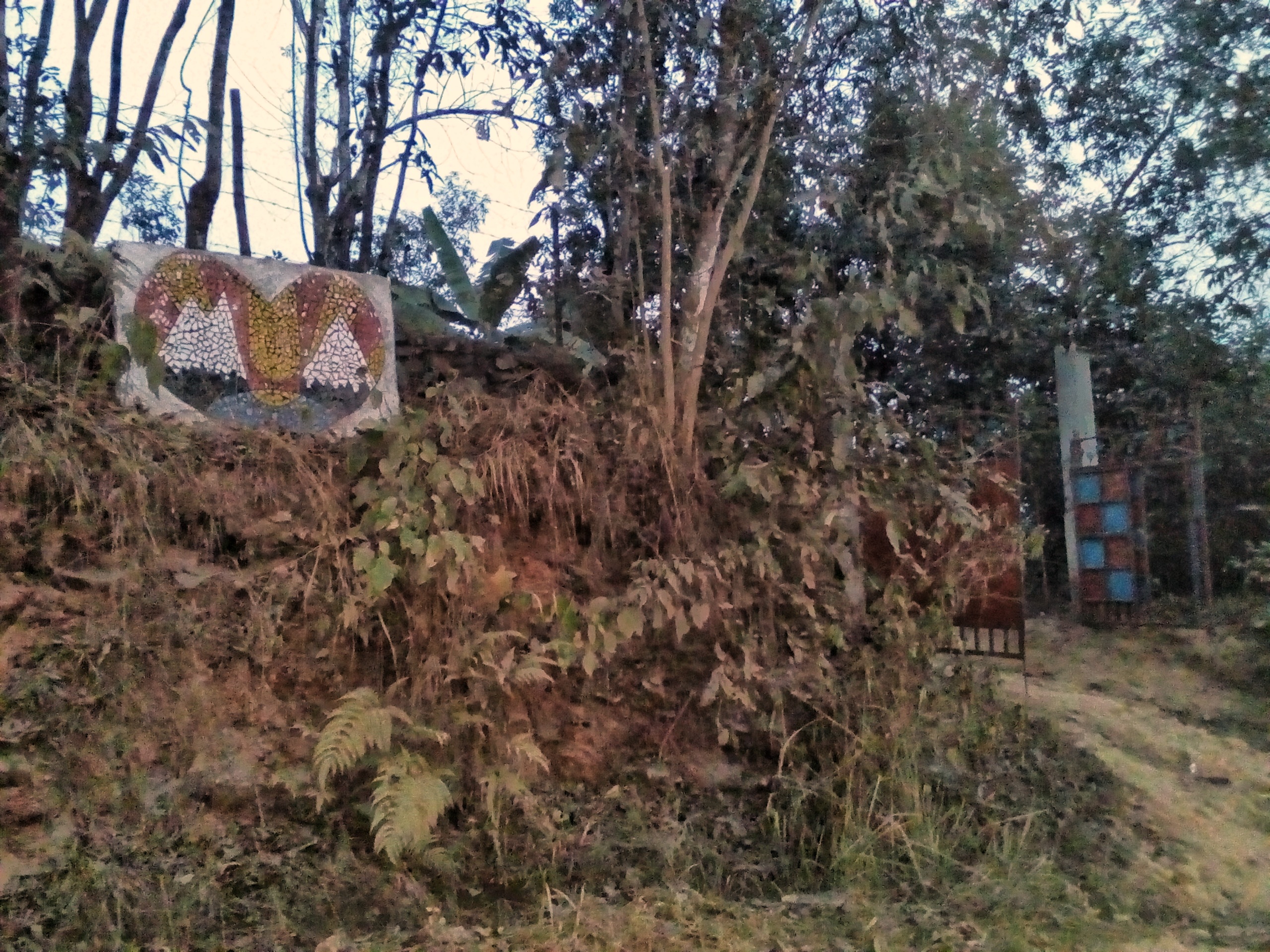
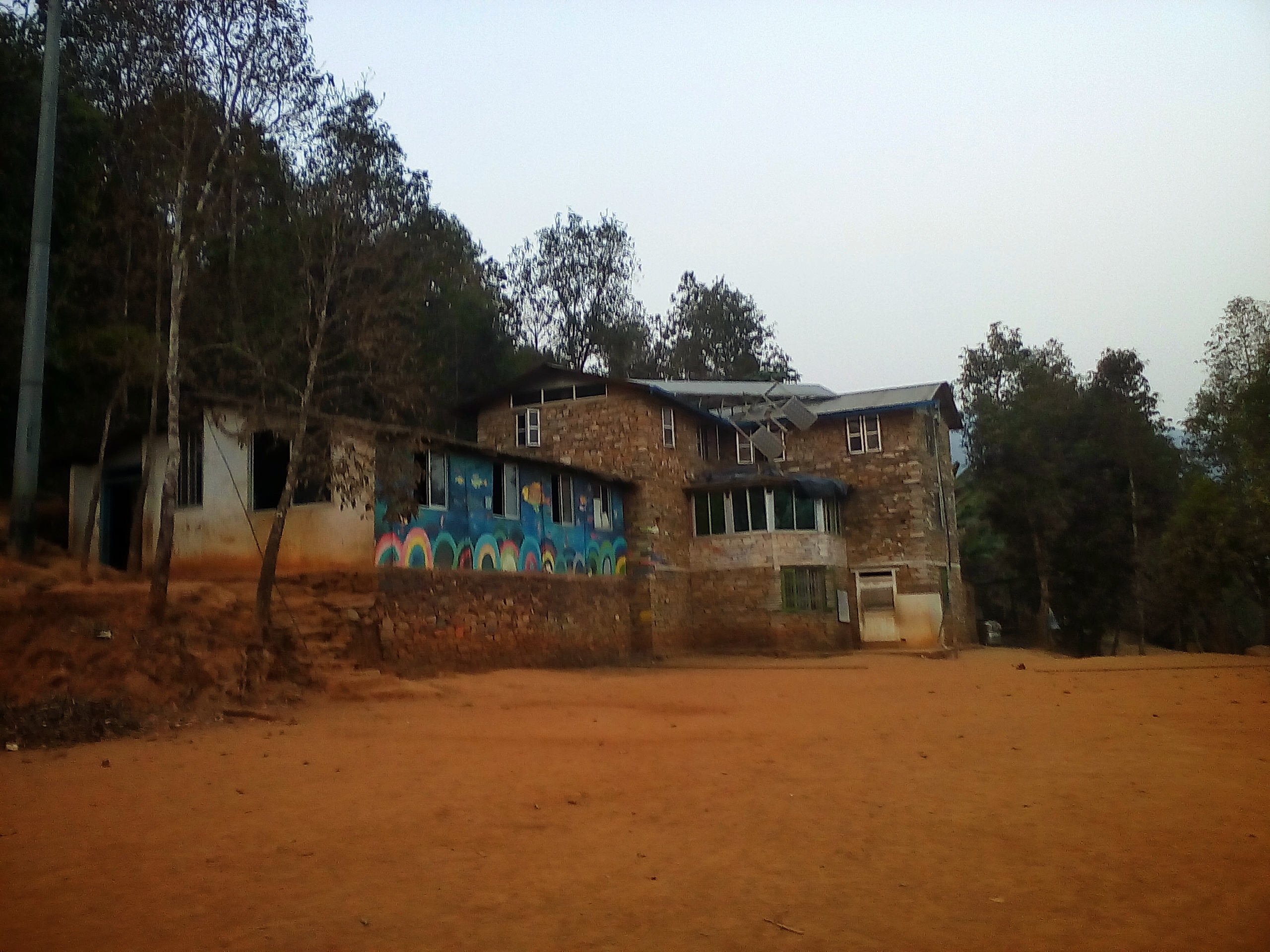
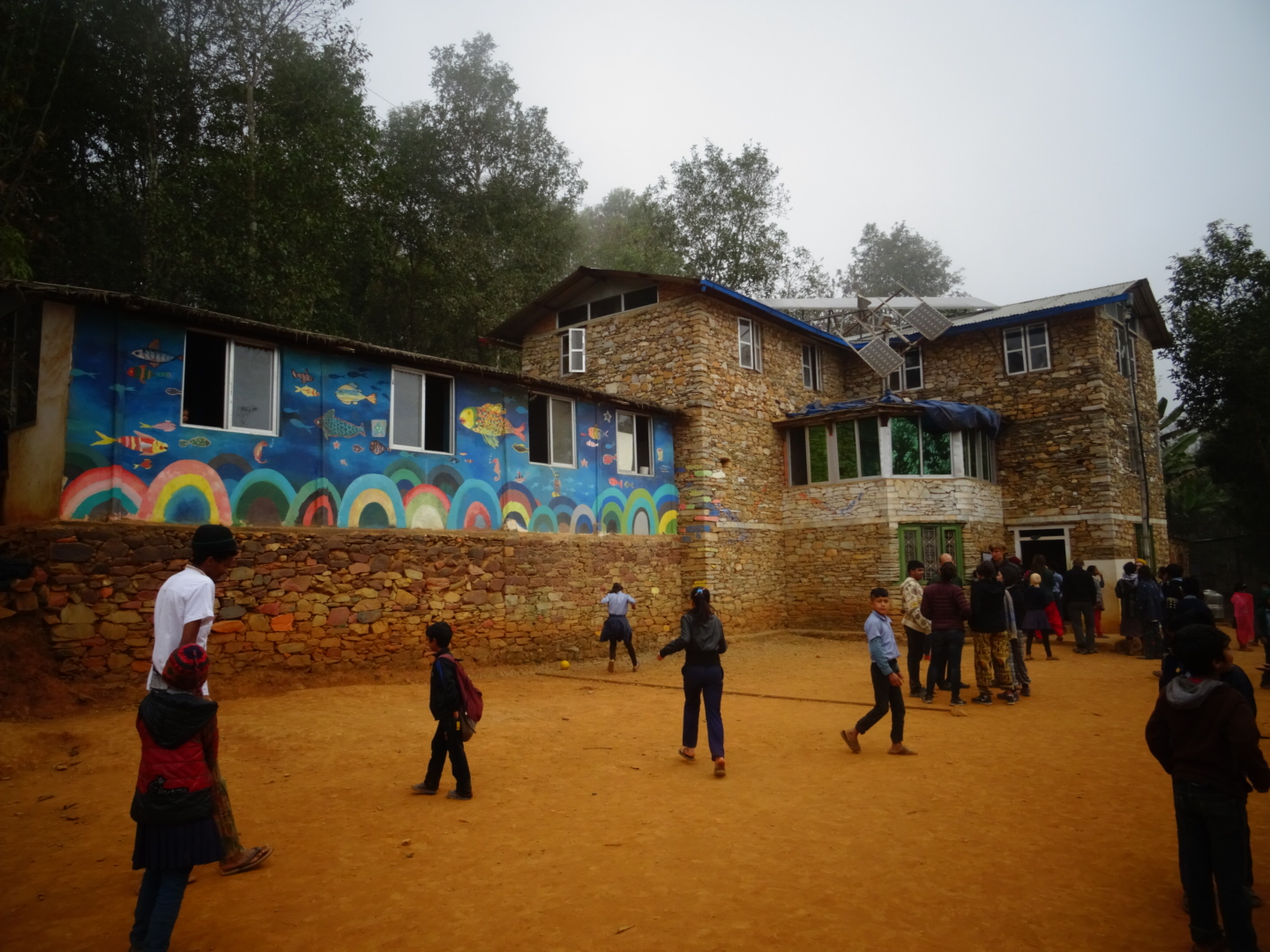
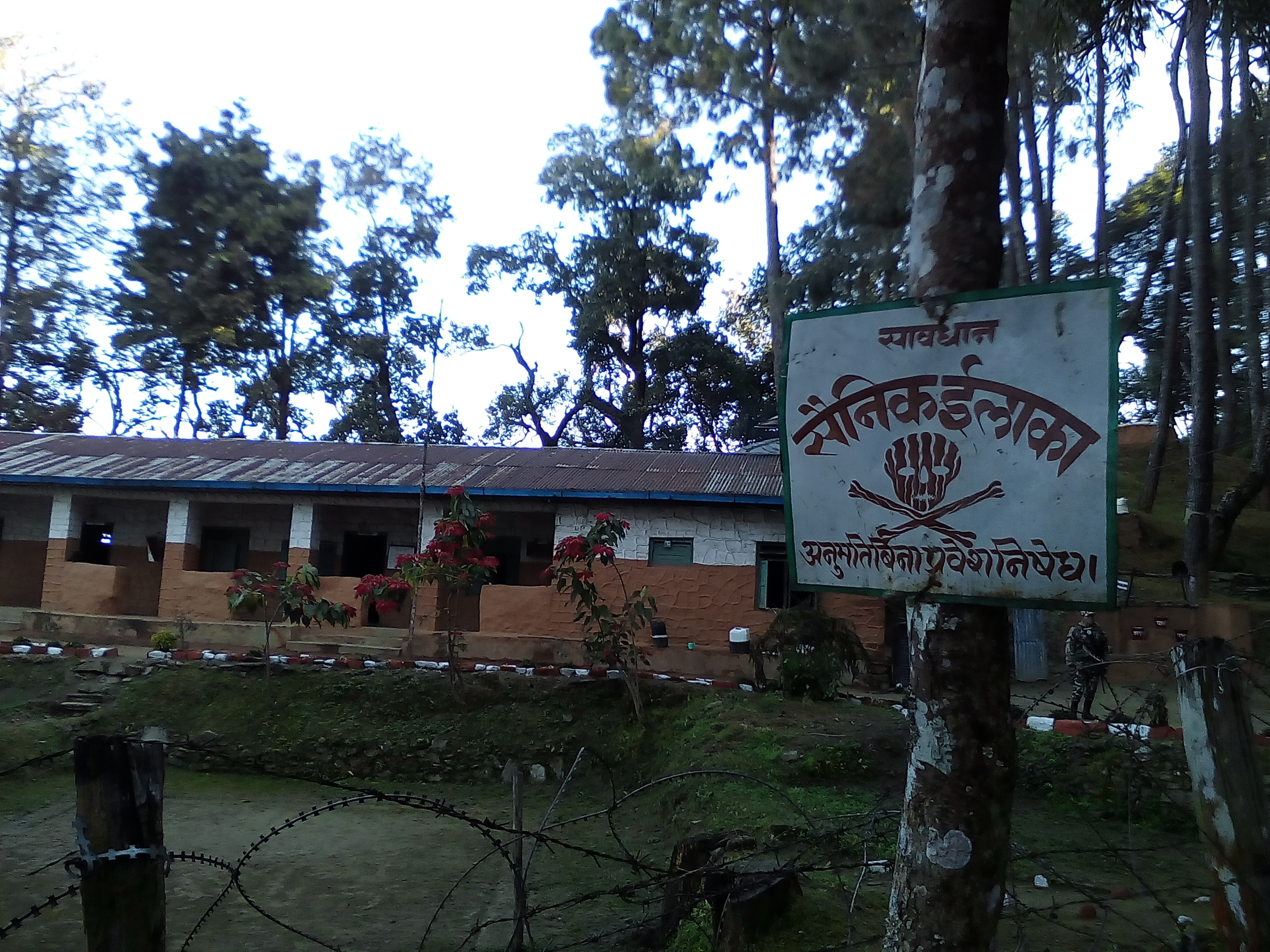
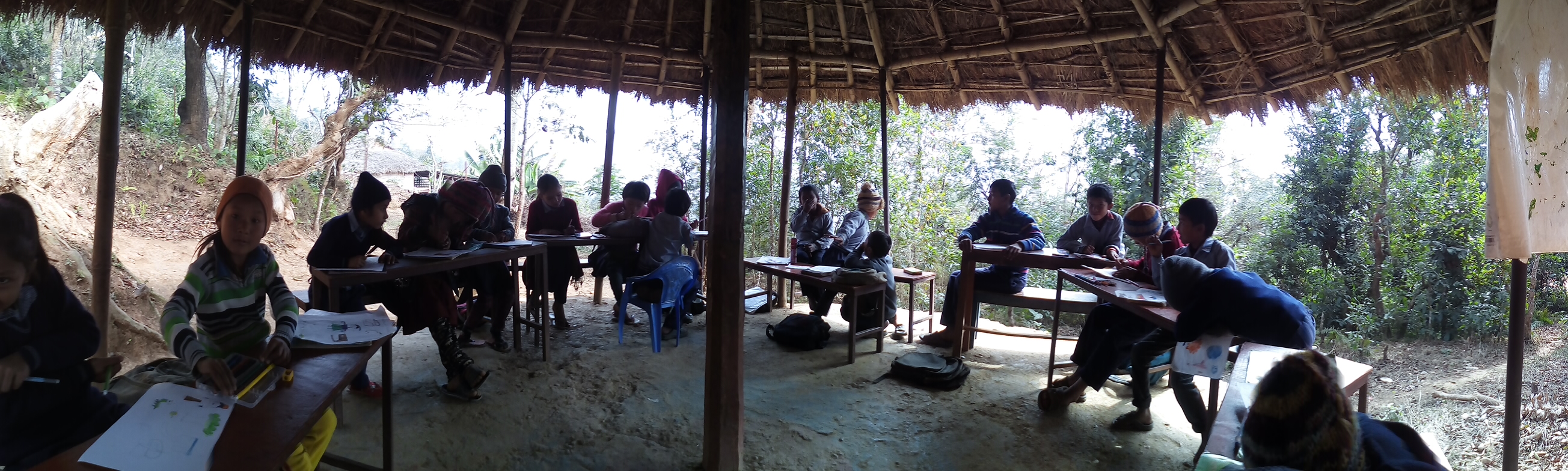
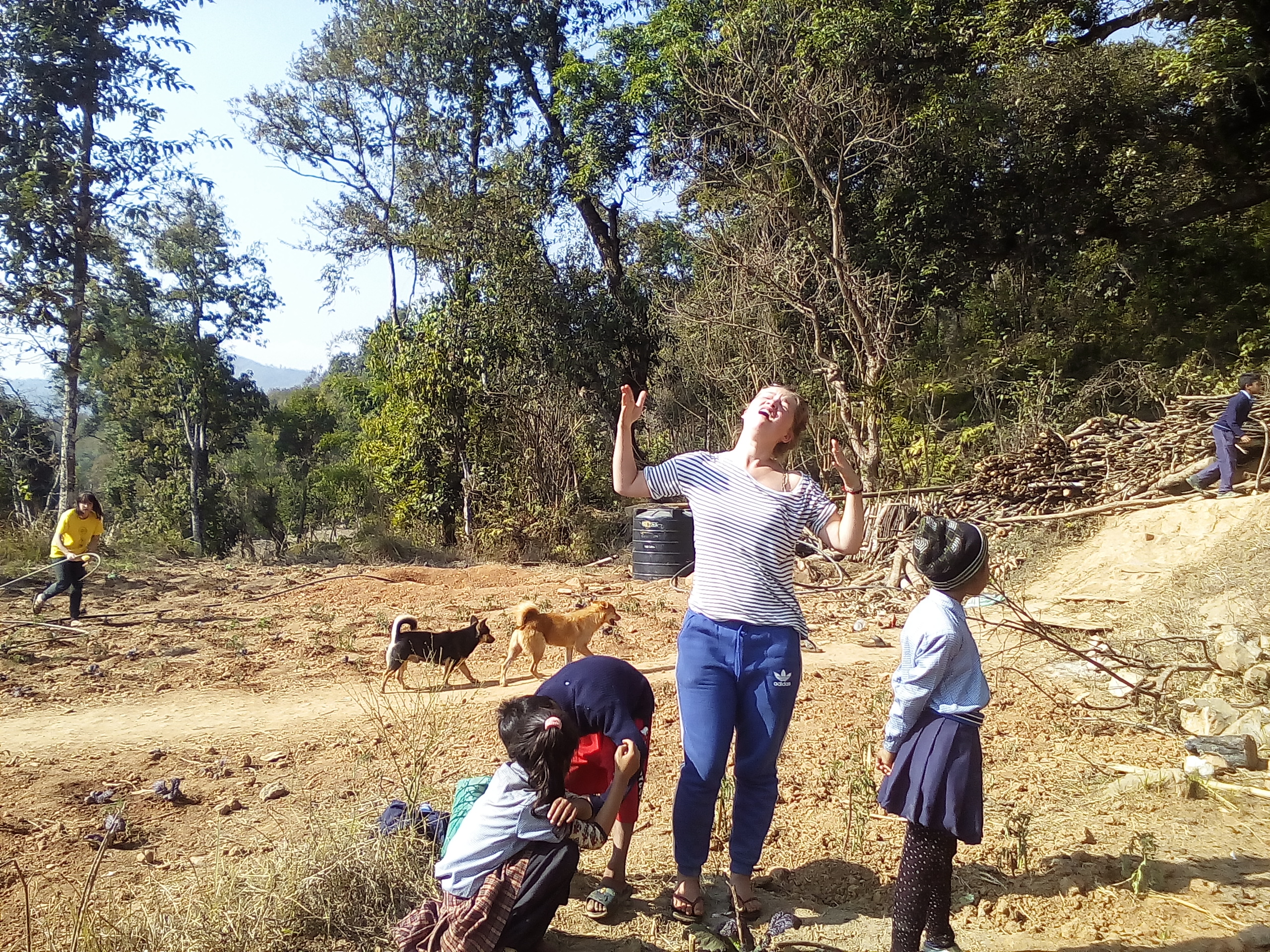
I'm at the Maya Universe Academy in Tanahun. The village name itself I am kind of confused about, but: it is probably Chisapani, meaning Cold Water. And village is a pretty strong word in this case: a house or two or four, and then our school which houses one of the denser populations in the area. Sixty-five “hostel” kids live in two small buildings, along with two or three adults, while twenty or so other volunteers live in either in the main building or a handful of other locations spread around the campus. The kids' hostels are located close to the Kitchen, where we can get three simple meals a day of rice, lentils, and a vegetable of some sort. Simple, but filling and healthy and pretty good tasting, although quantity is definitely stressed over quality. It is also close to the Tap, where we get all of our potable water and shower and do laundry alongside the kids and the locals. But then from there is a seven minute walk to where I live in the main building, the “volunteer's house” attached to the library and a few class rooms, and all of the rest of the classrooms are in this area. Fifteen or so of us live here right now, packed in and not terribly cleanly or orderly, but it works: we get along well. Seven minutes' walk might not seem like much, but remember: we have to walk back and forth with all of our potable water and other heavy things. Firewood, for instance.
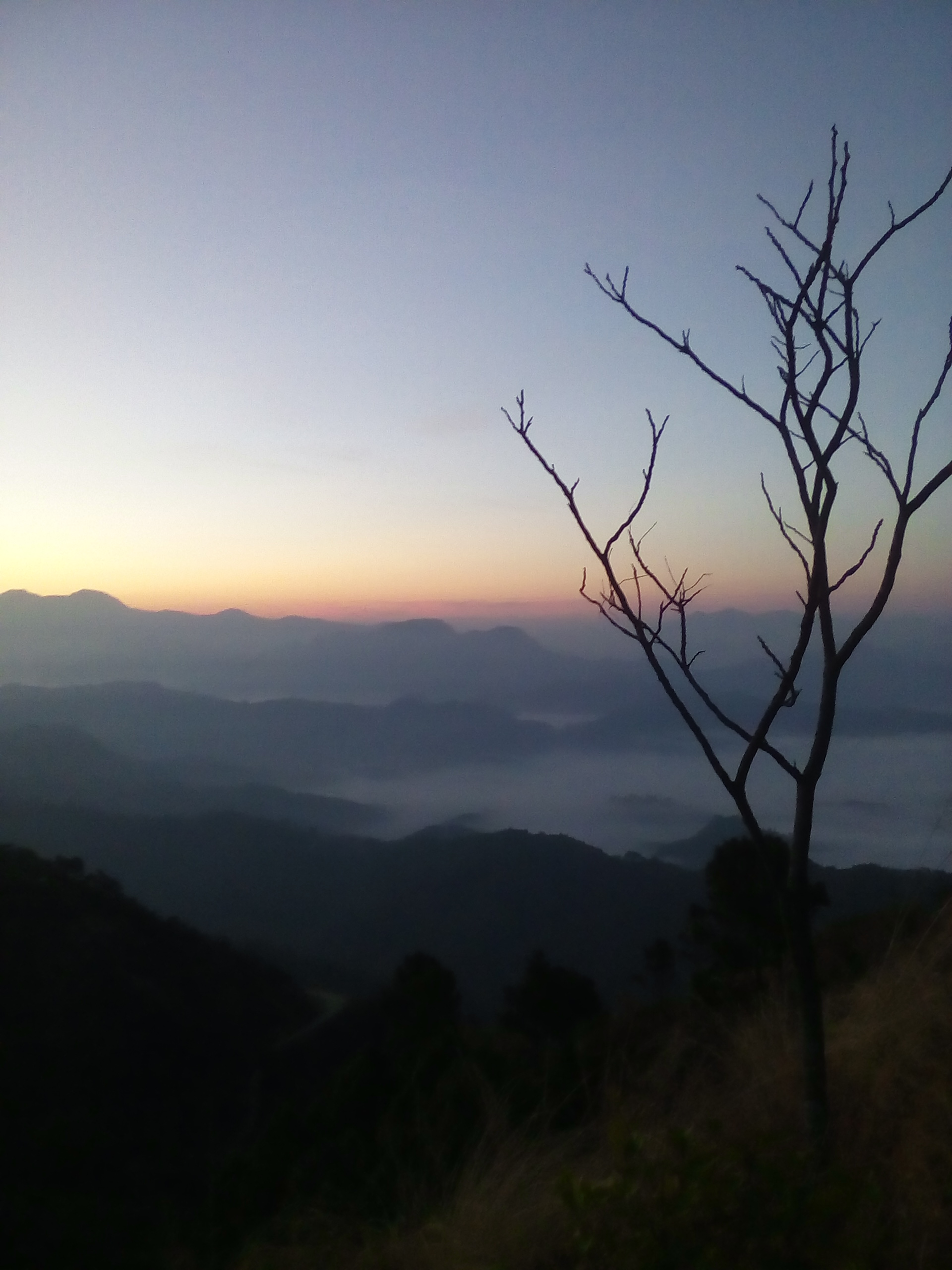
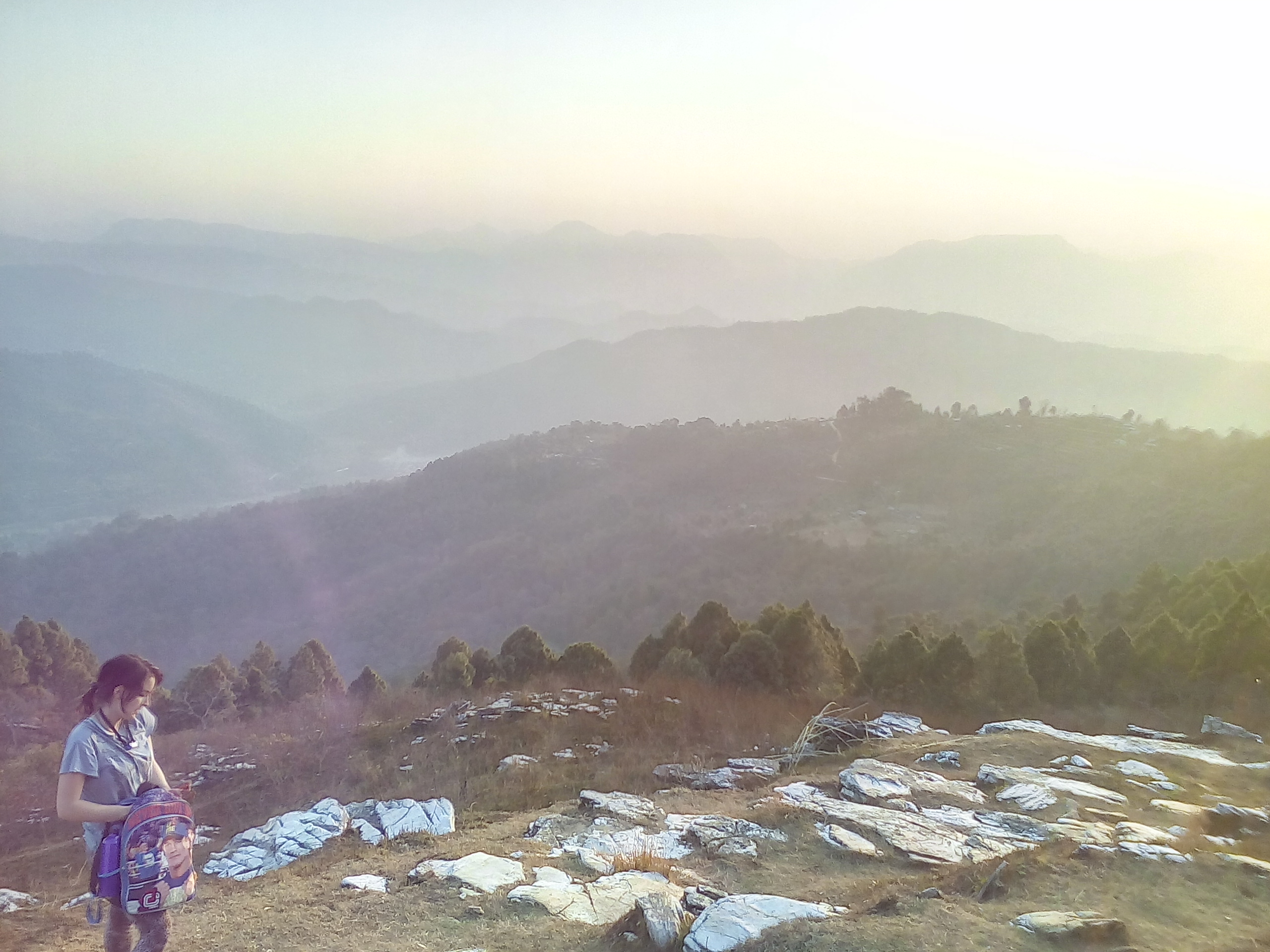
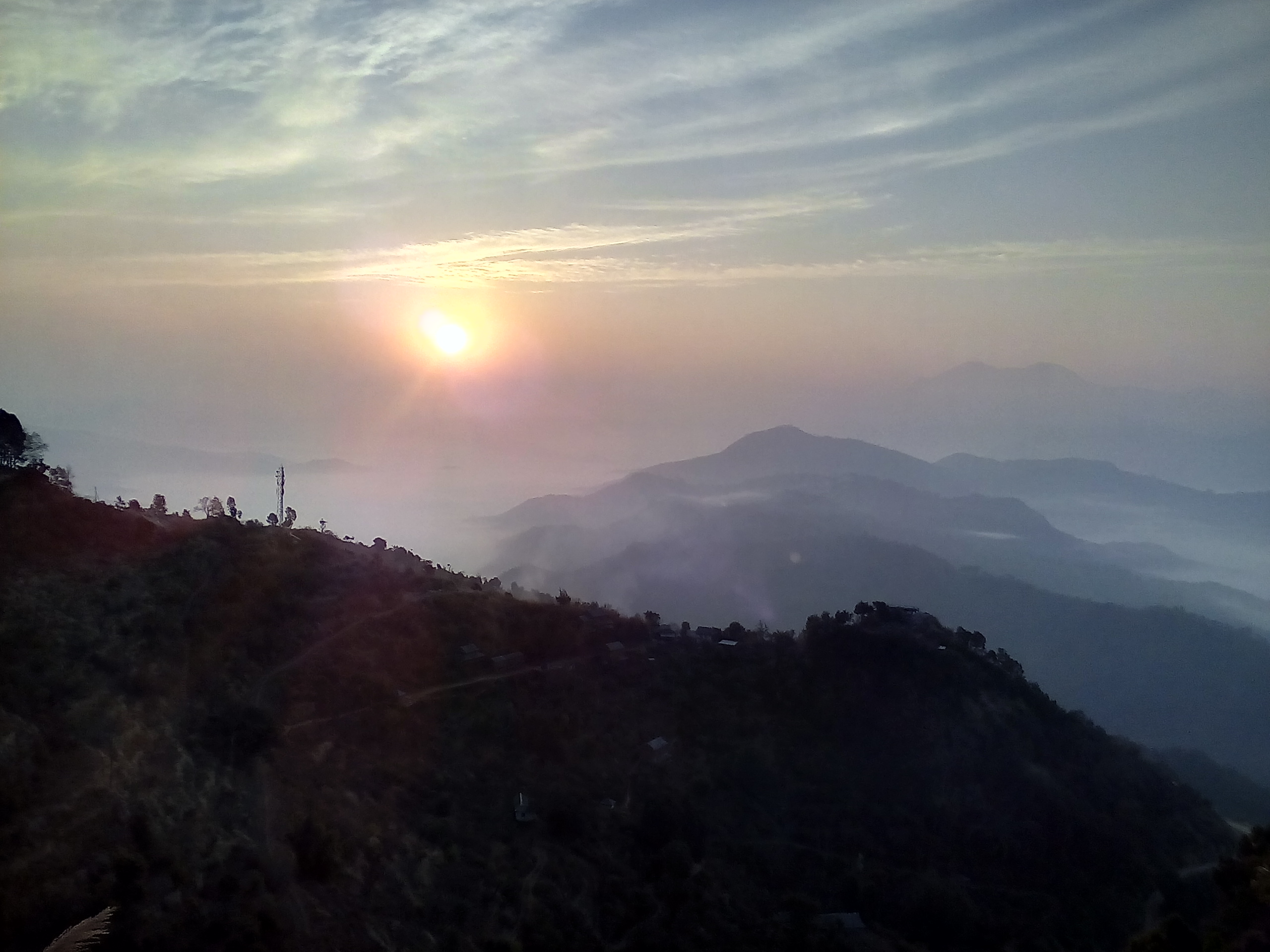
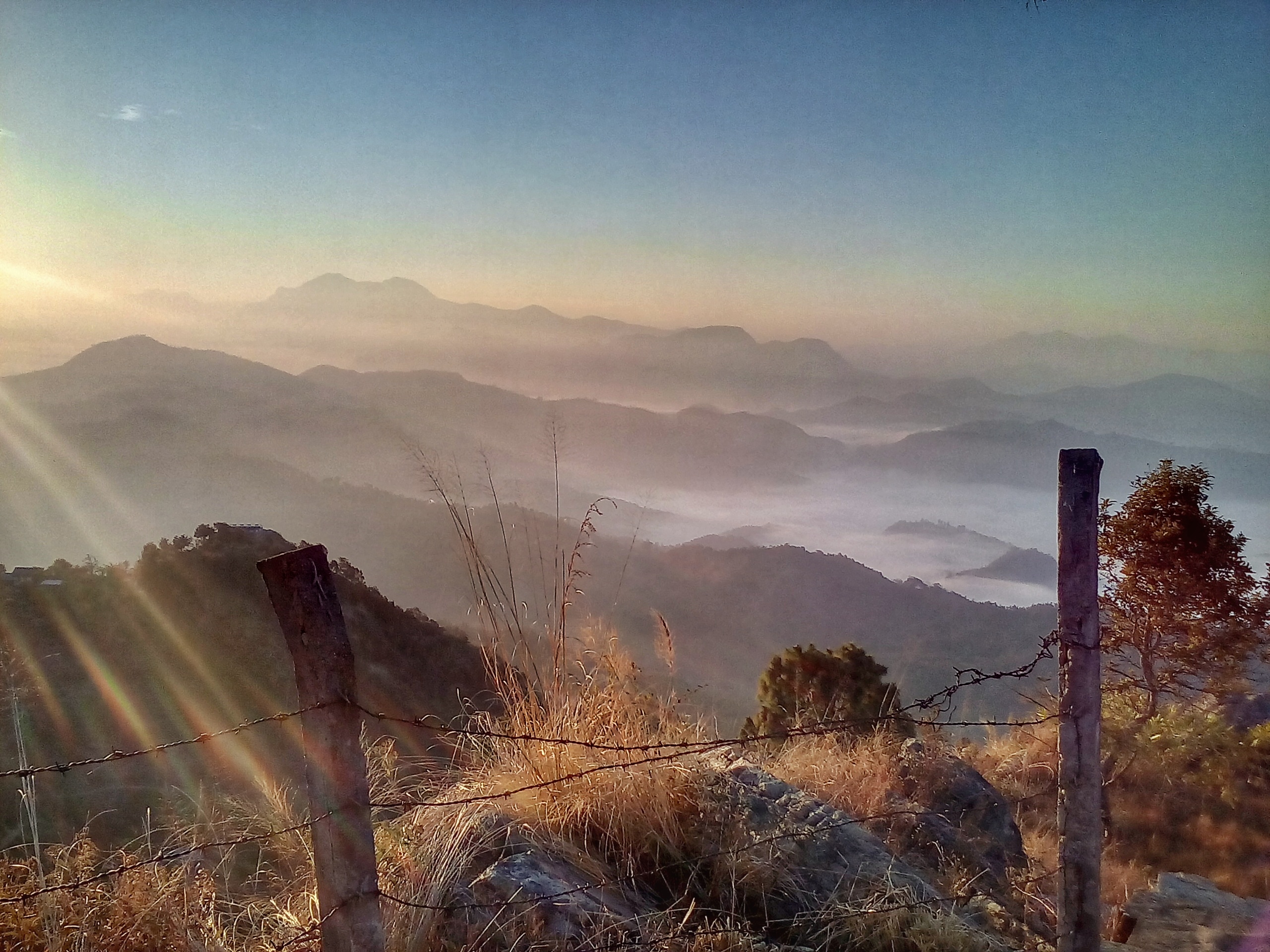
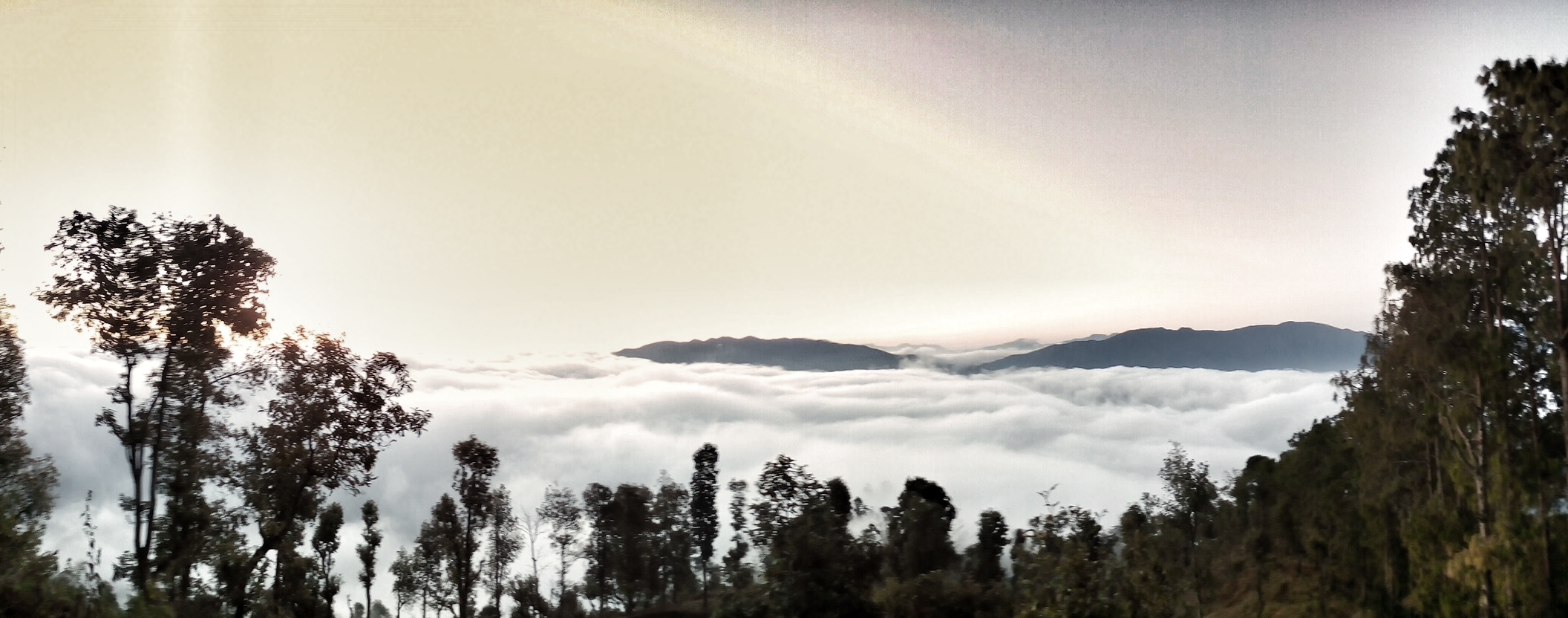
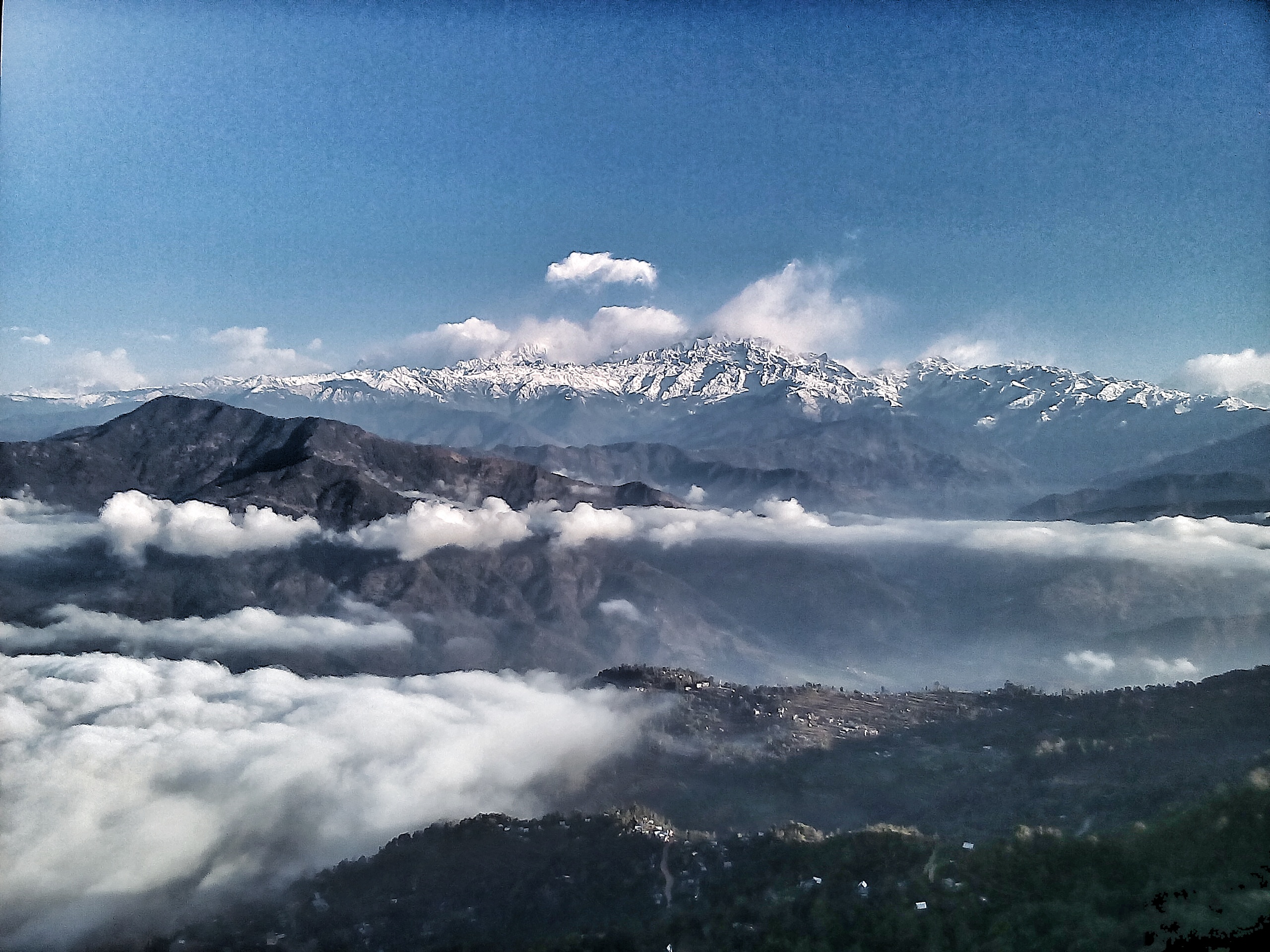
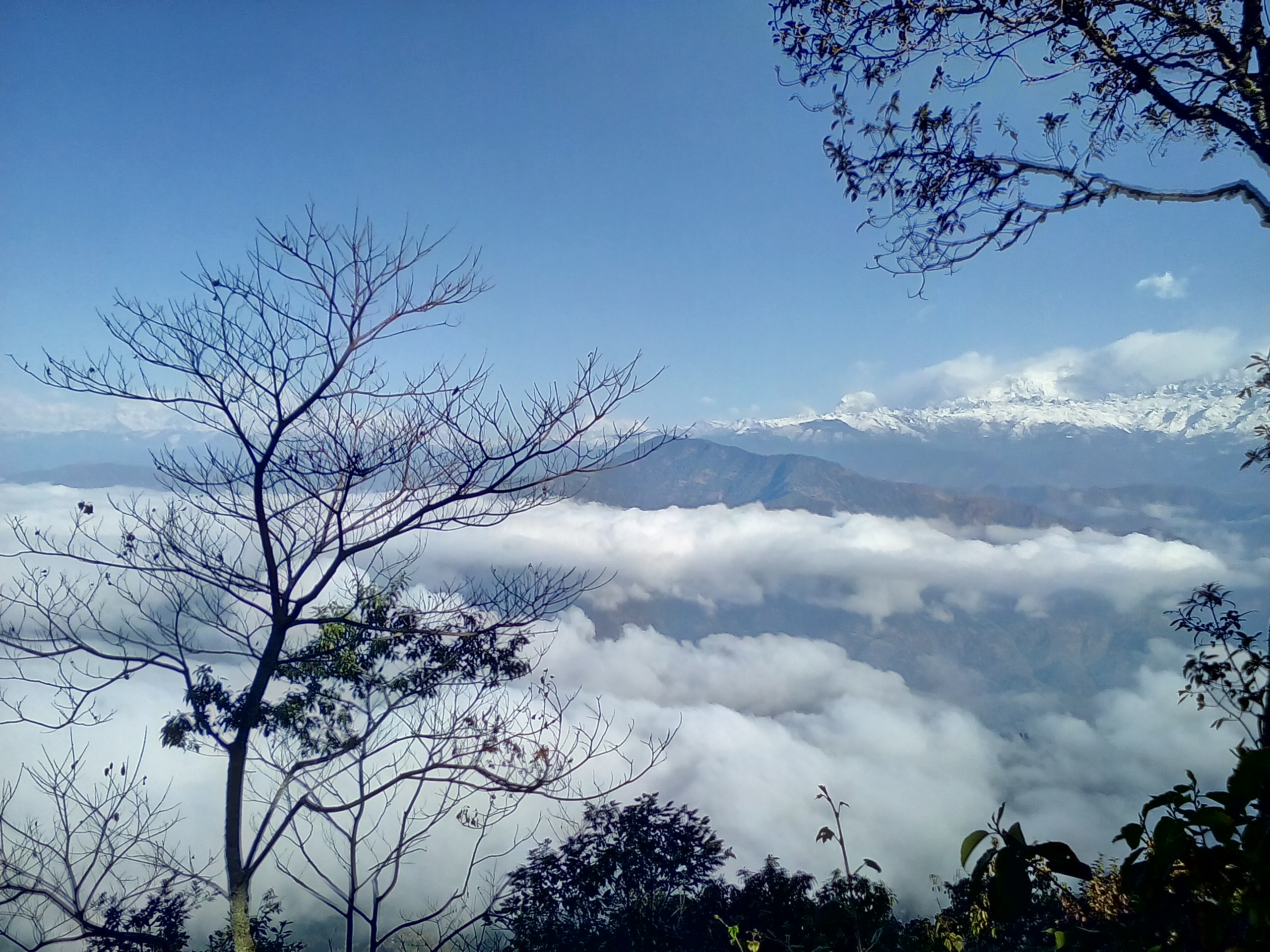
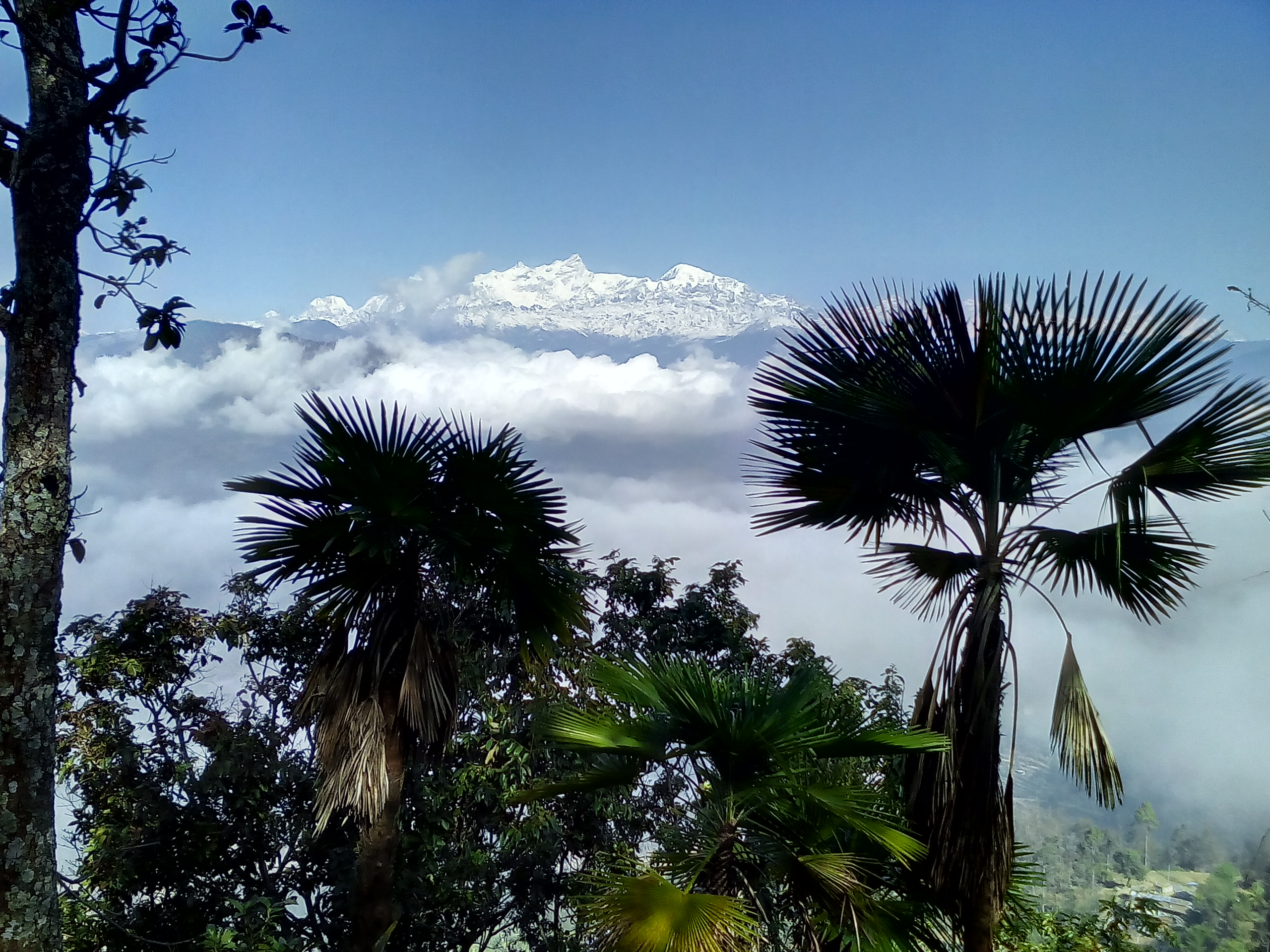
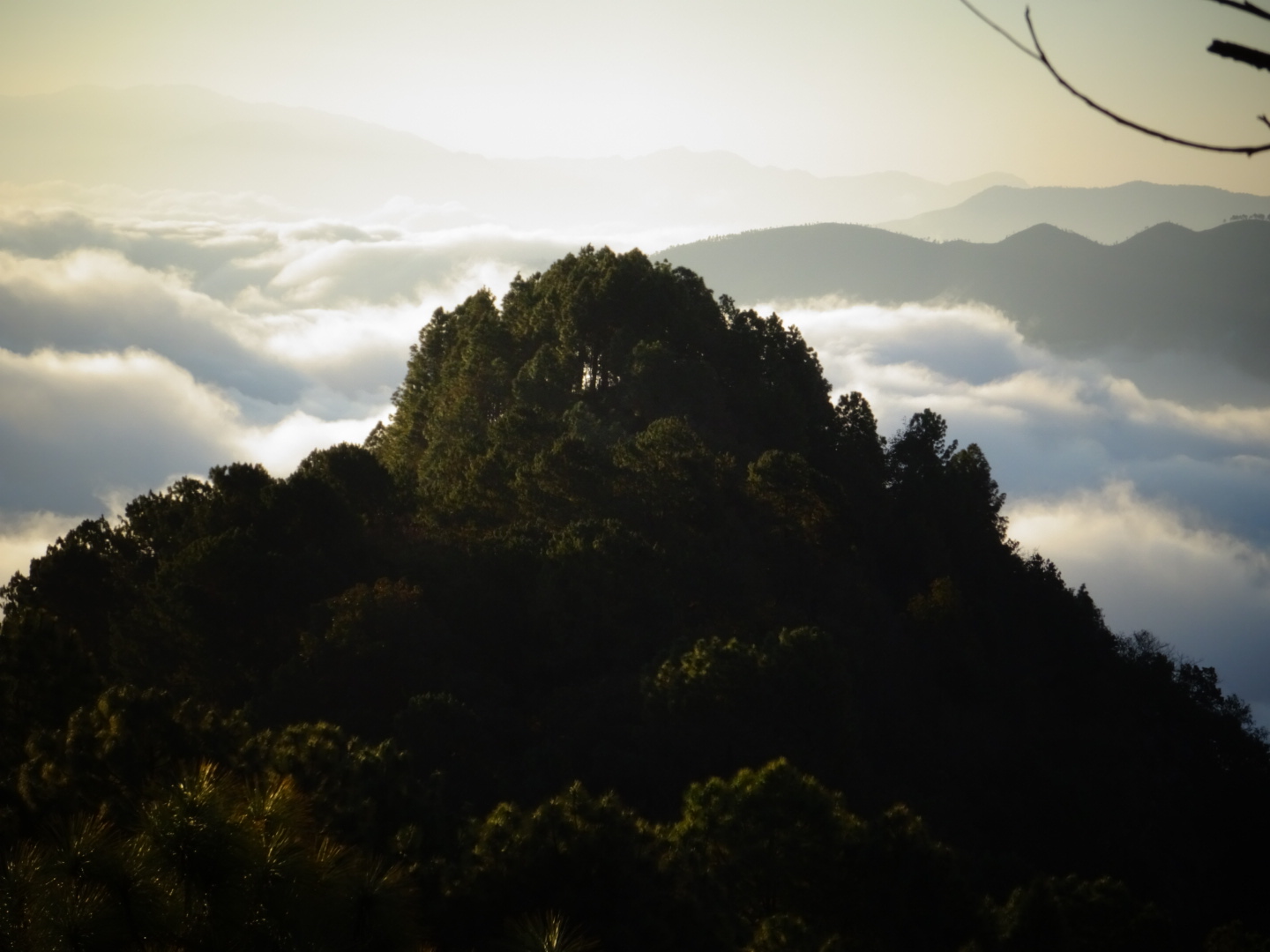
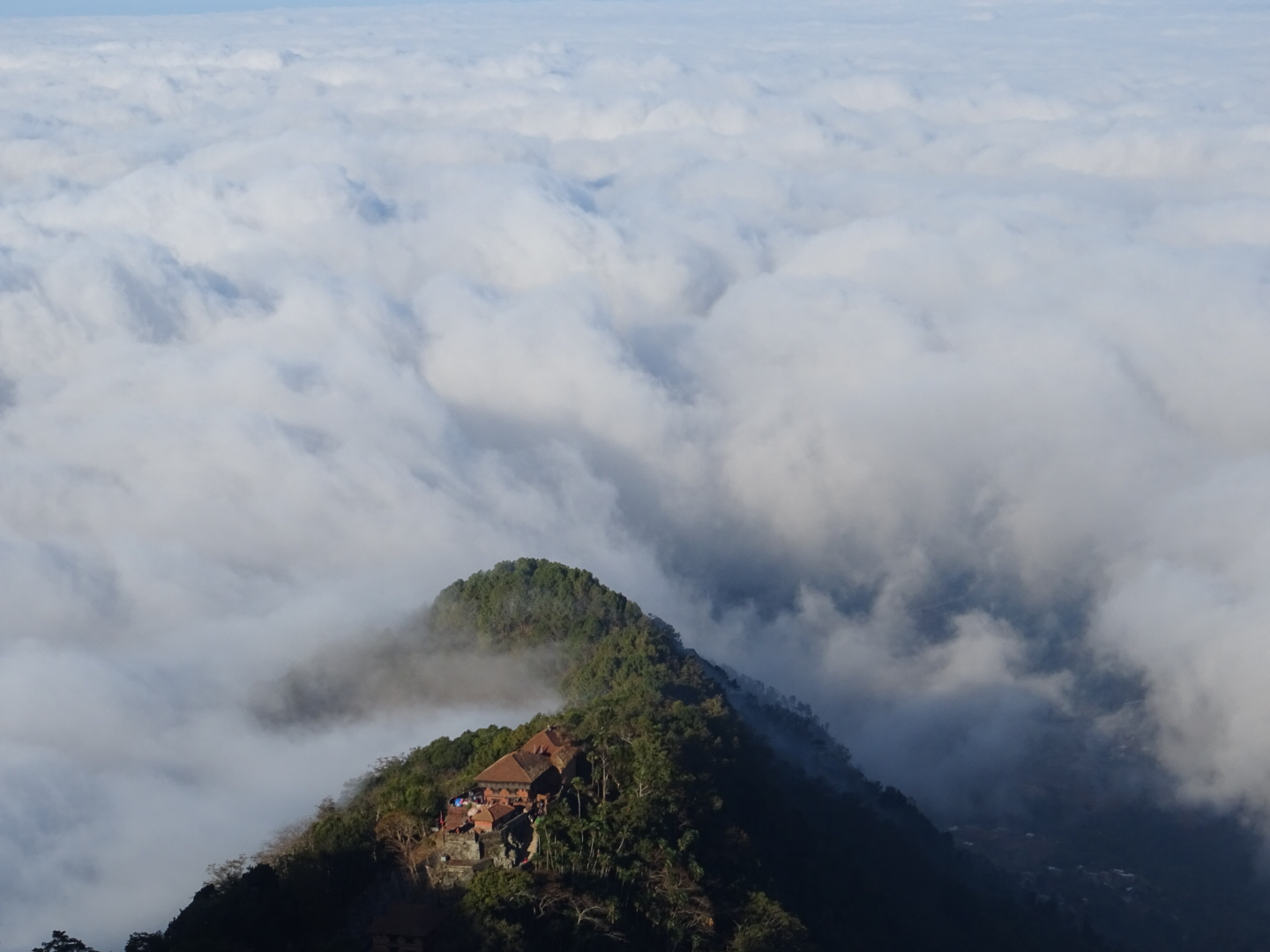
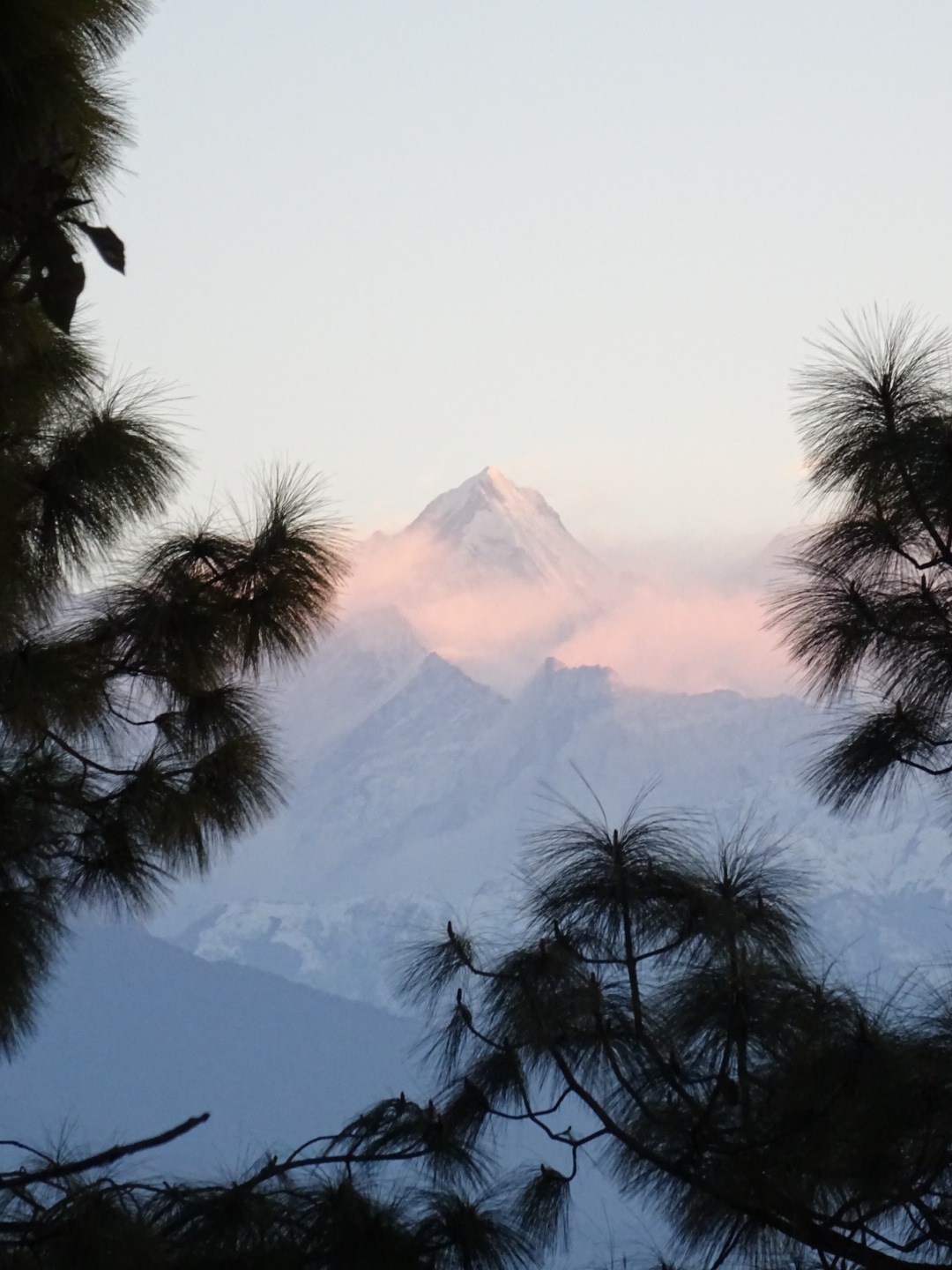
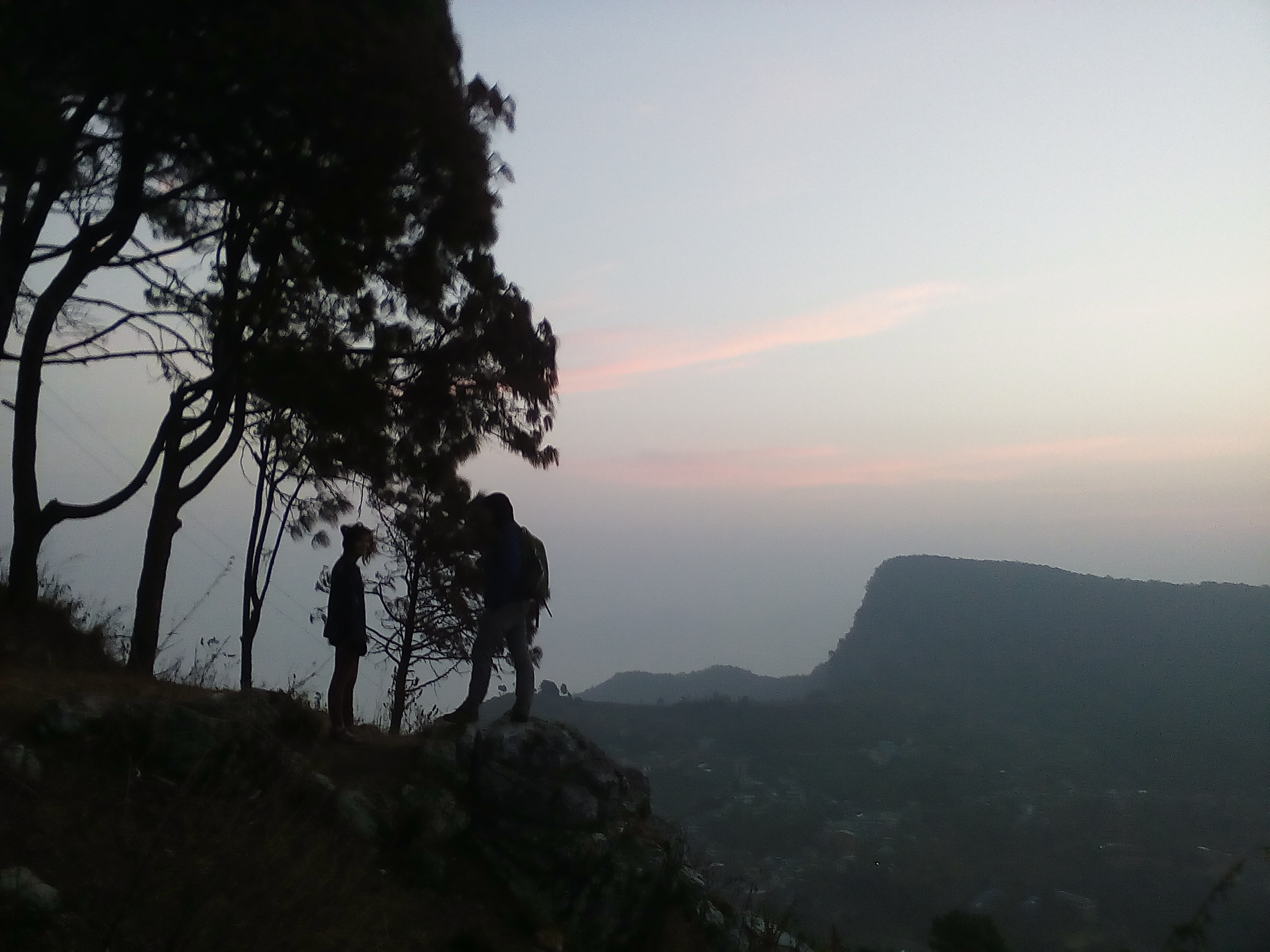
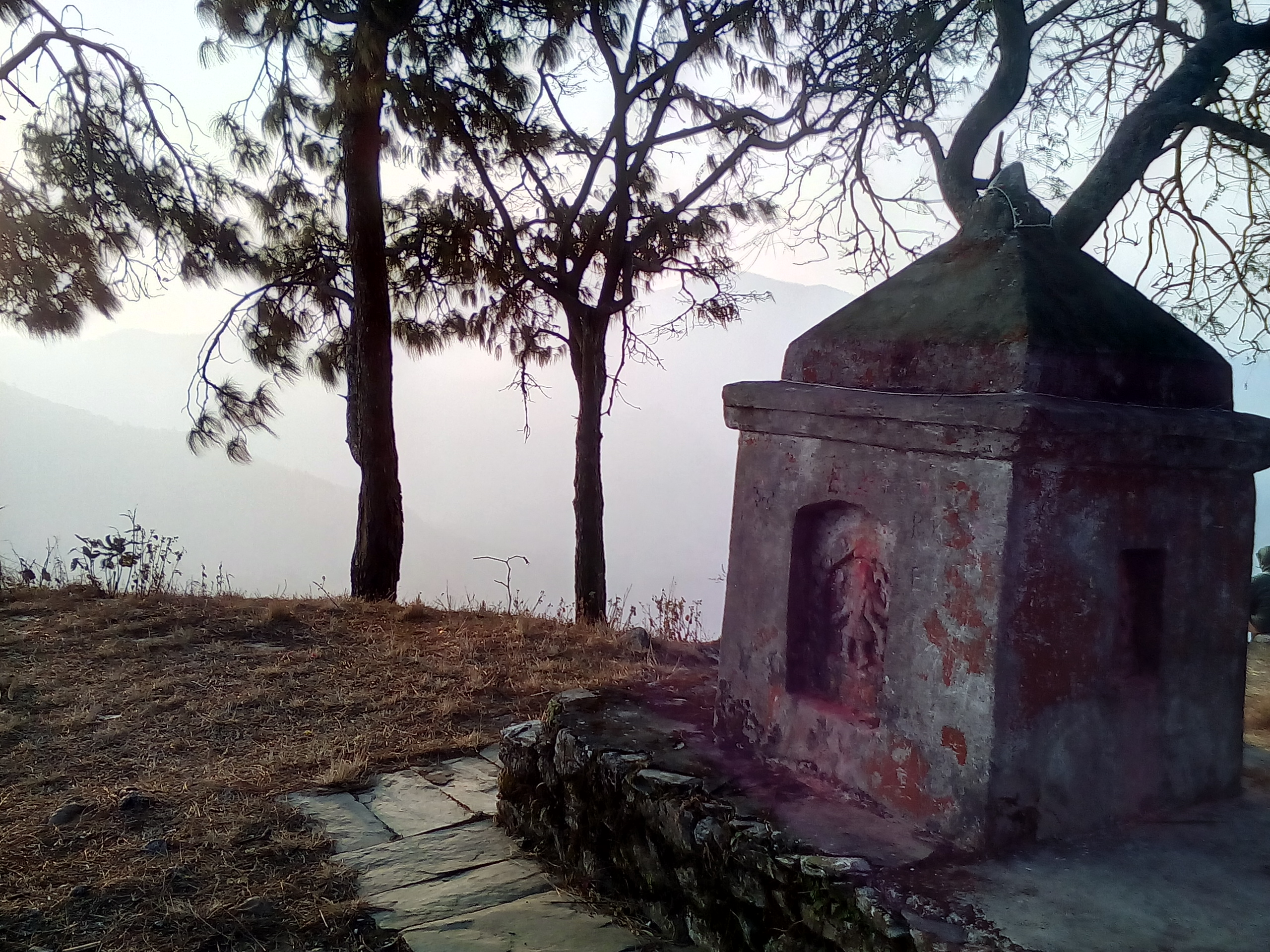
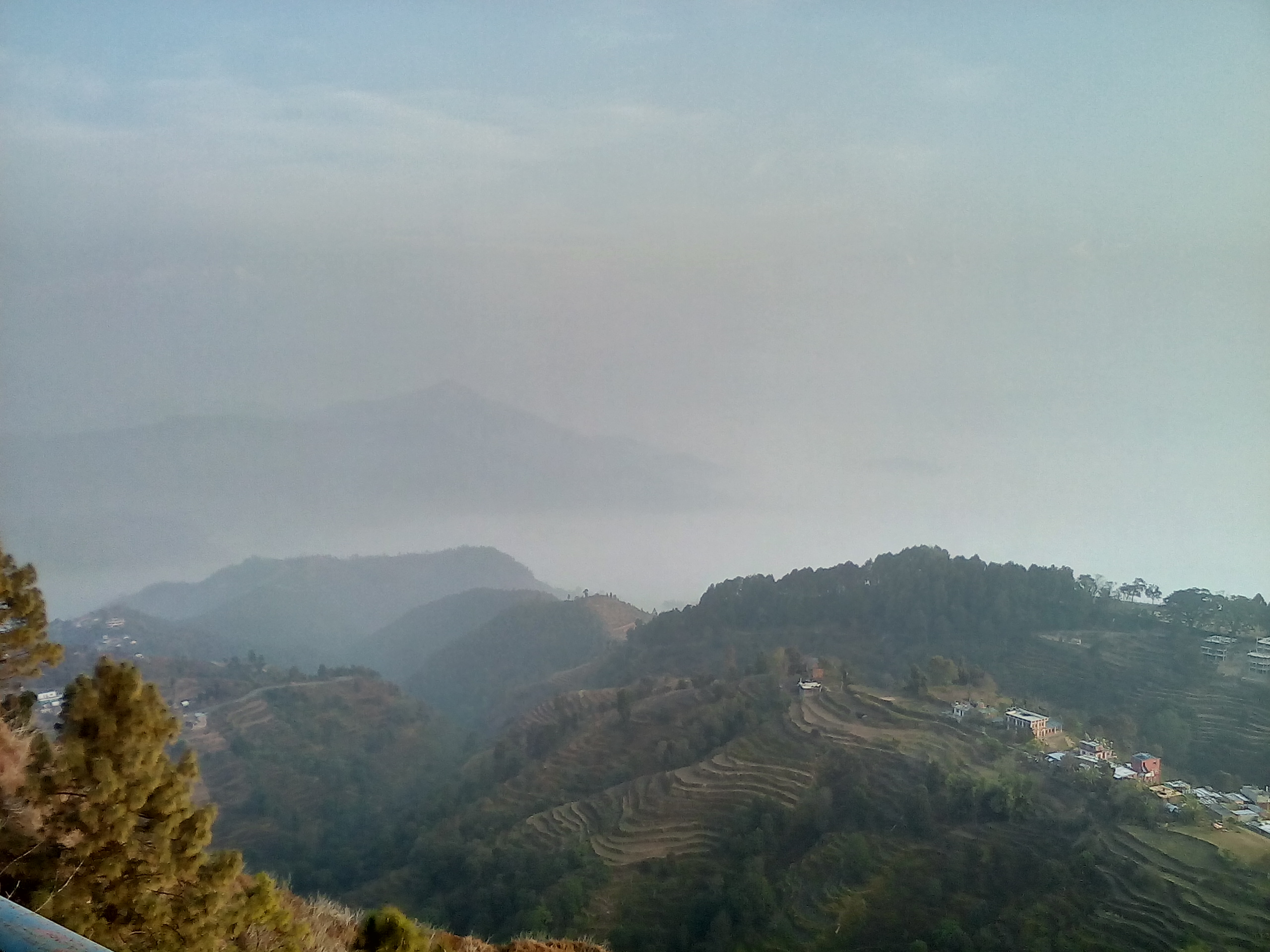
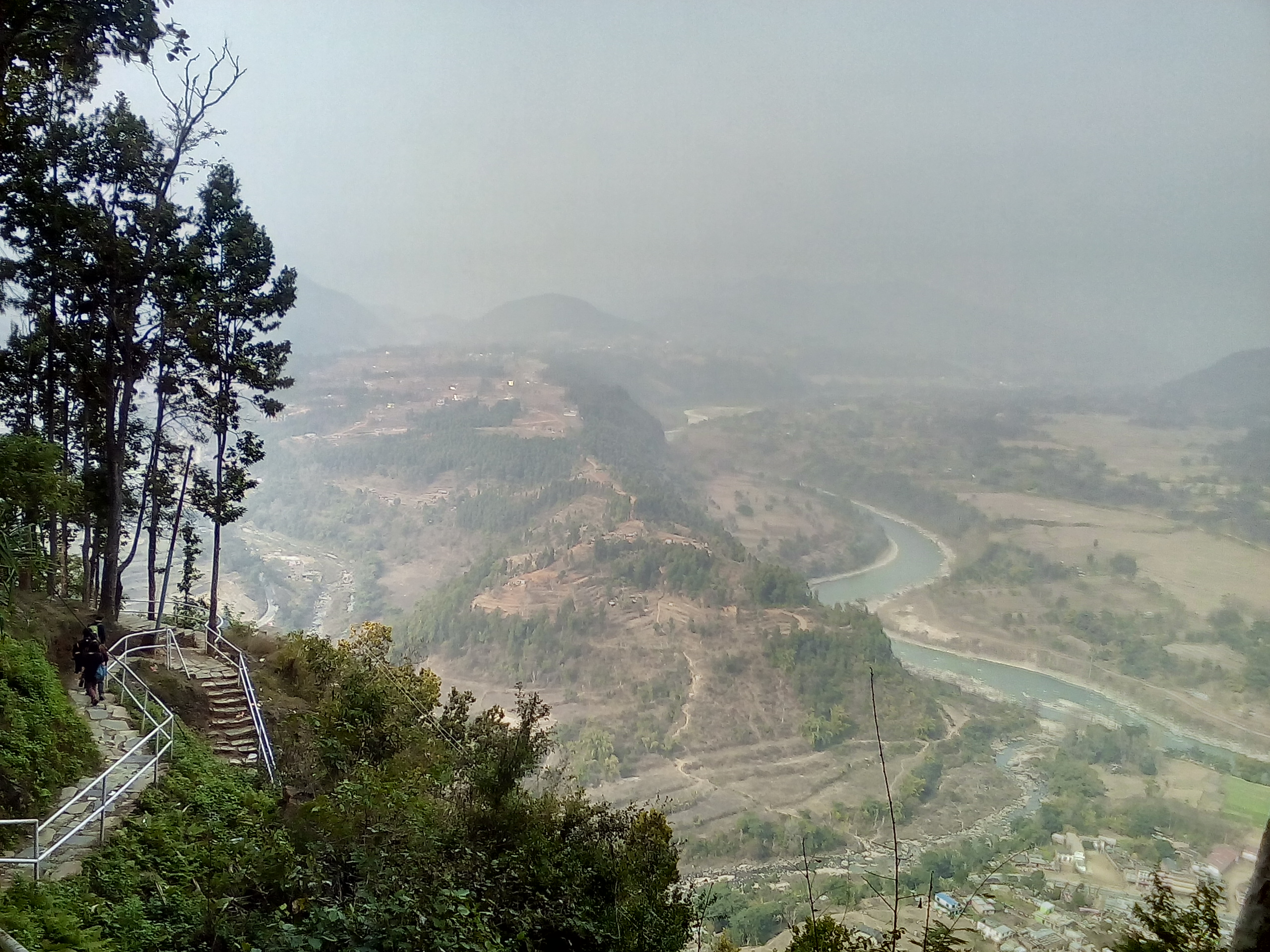
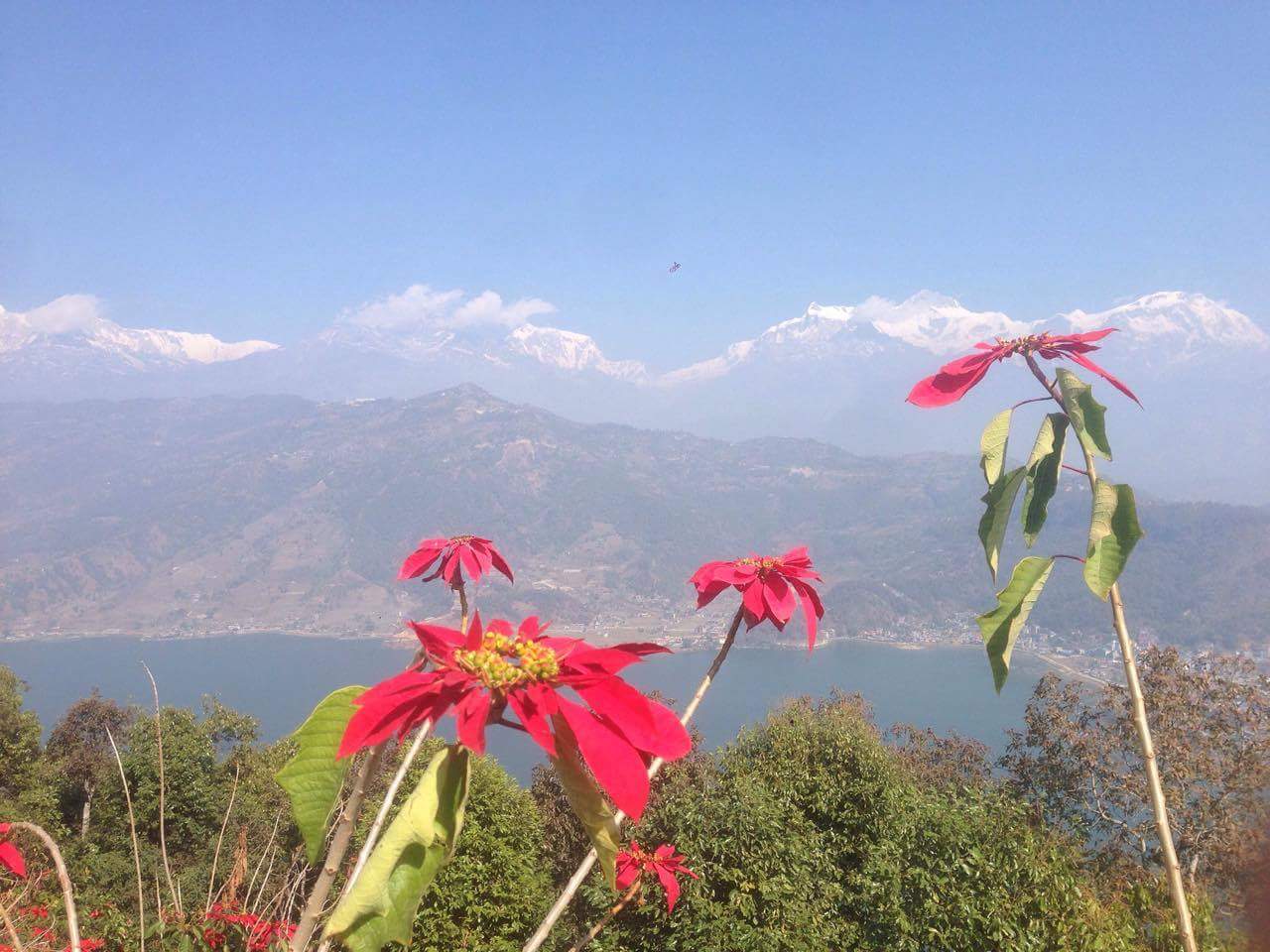
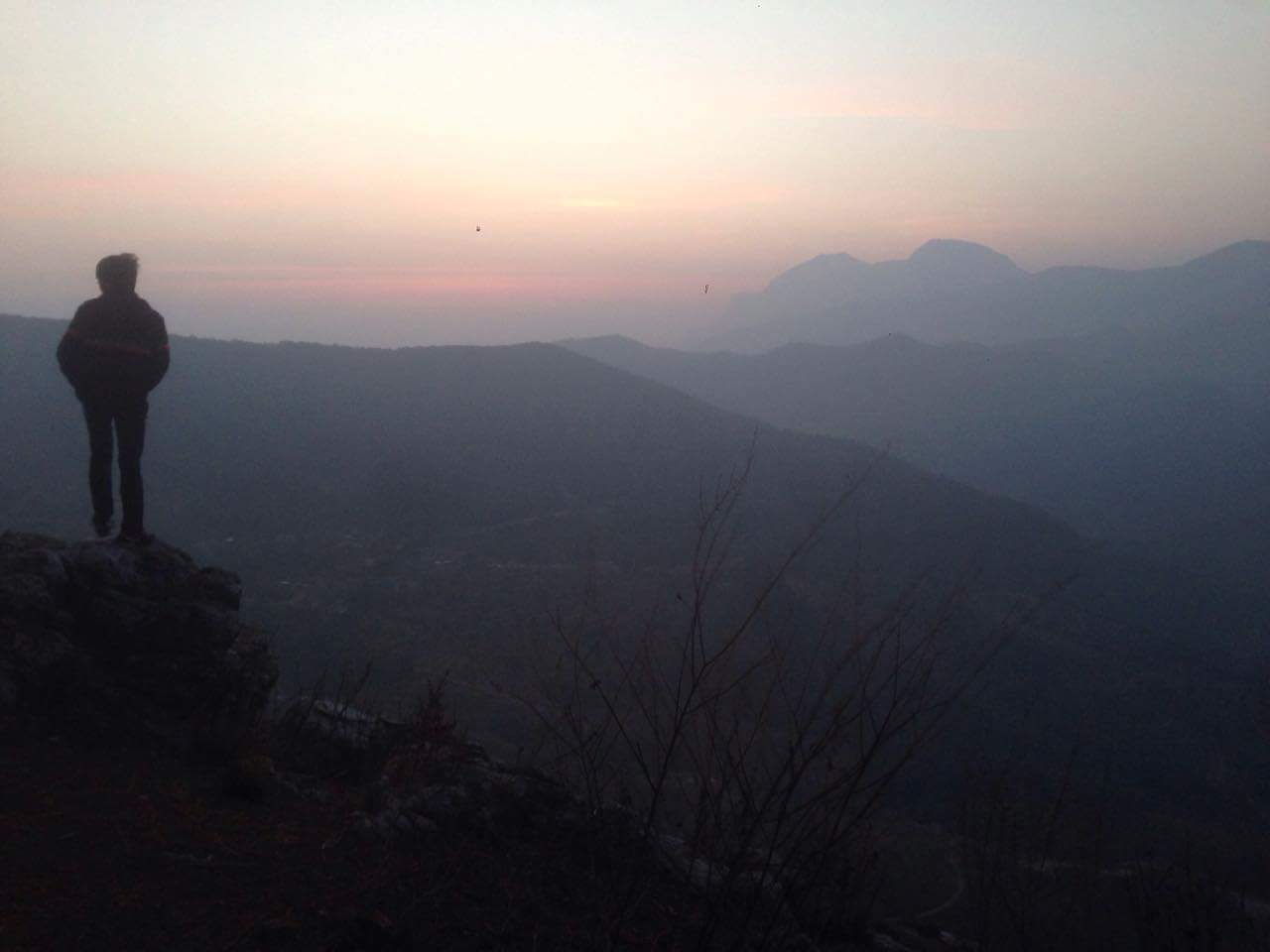
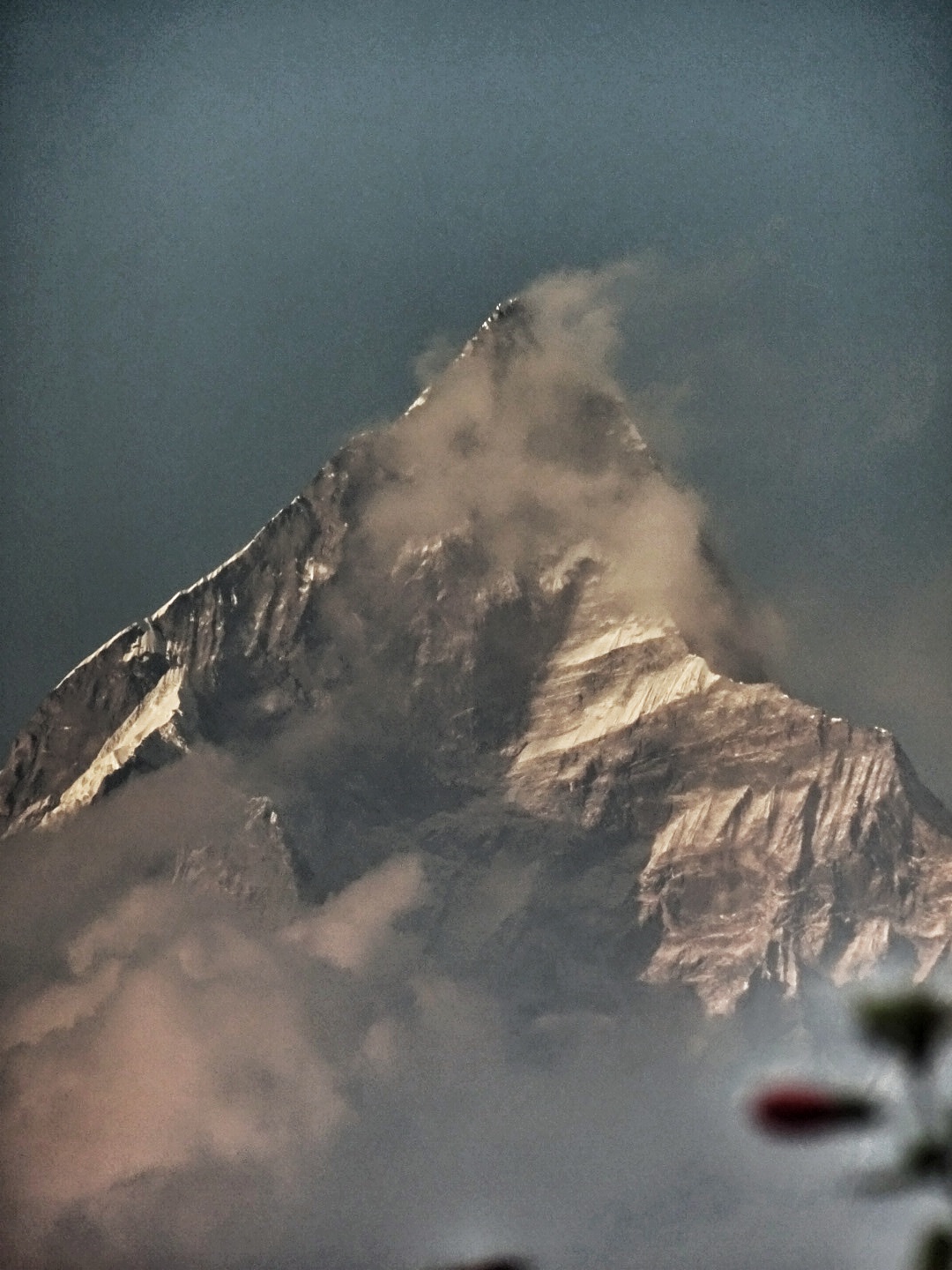
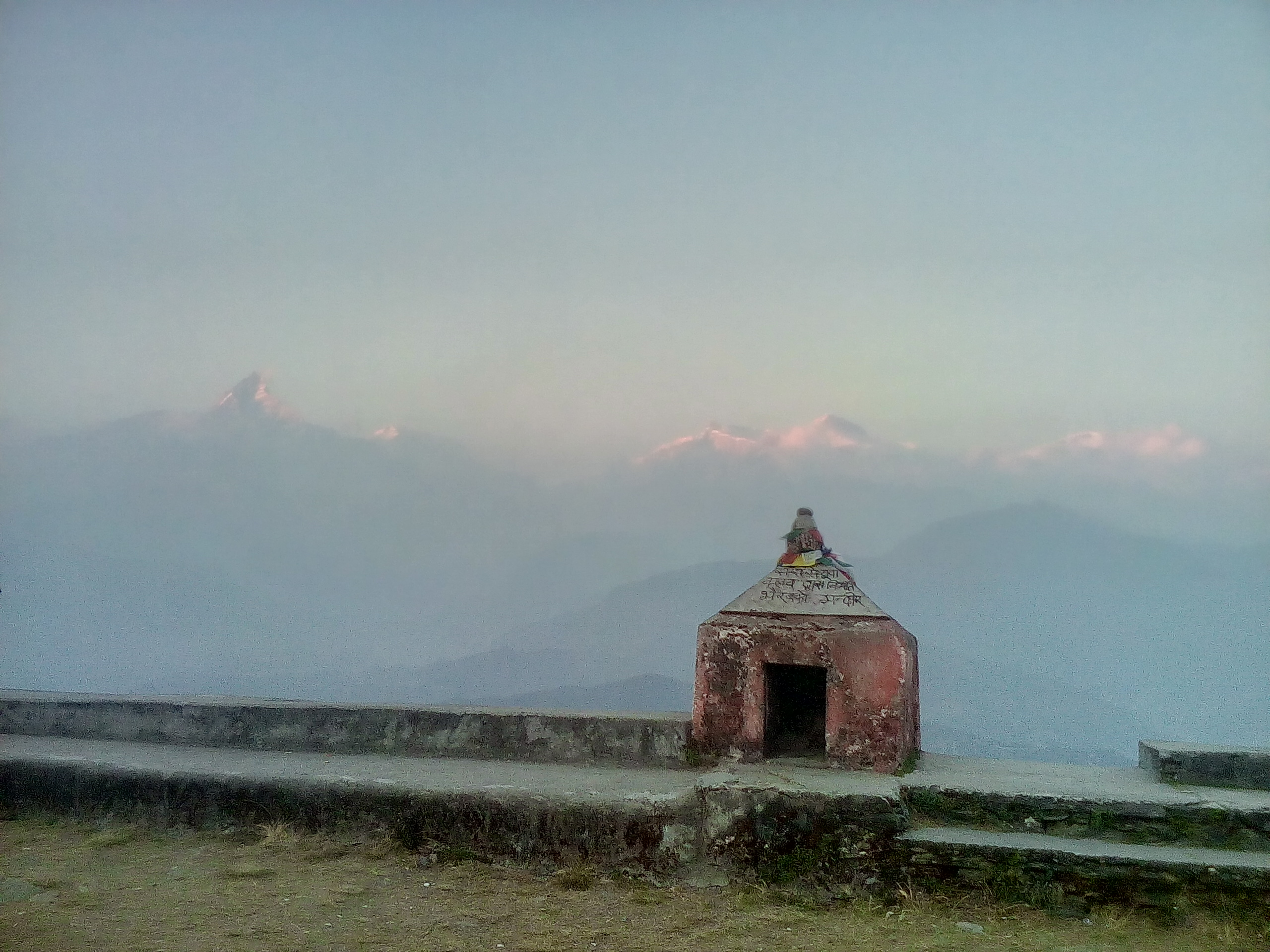
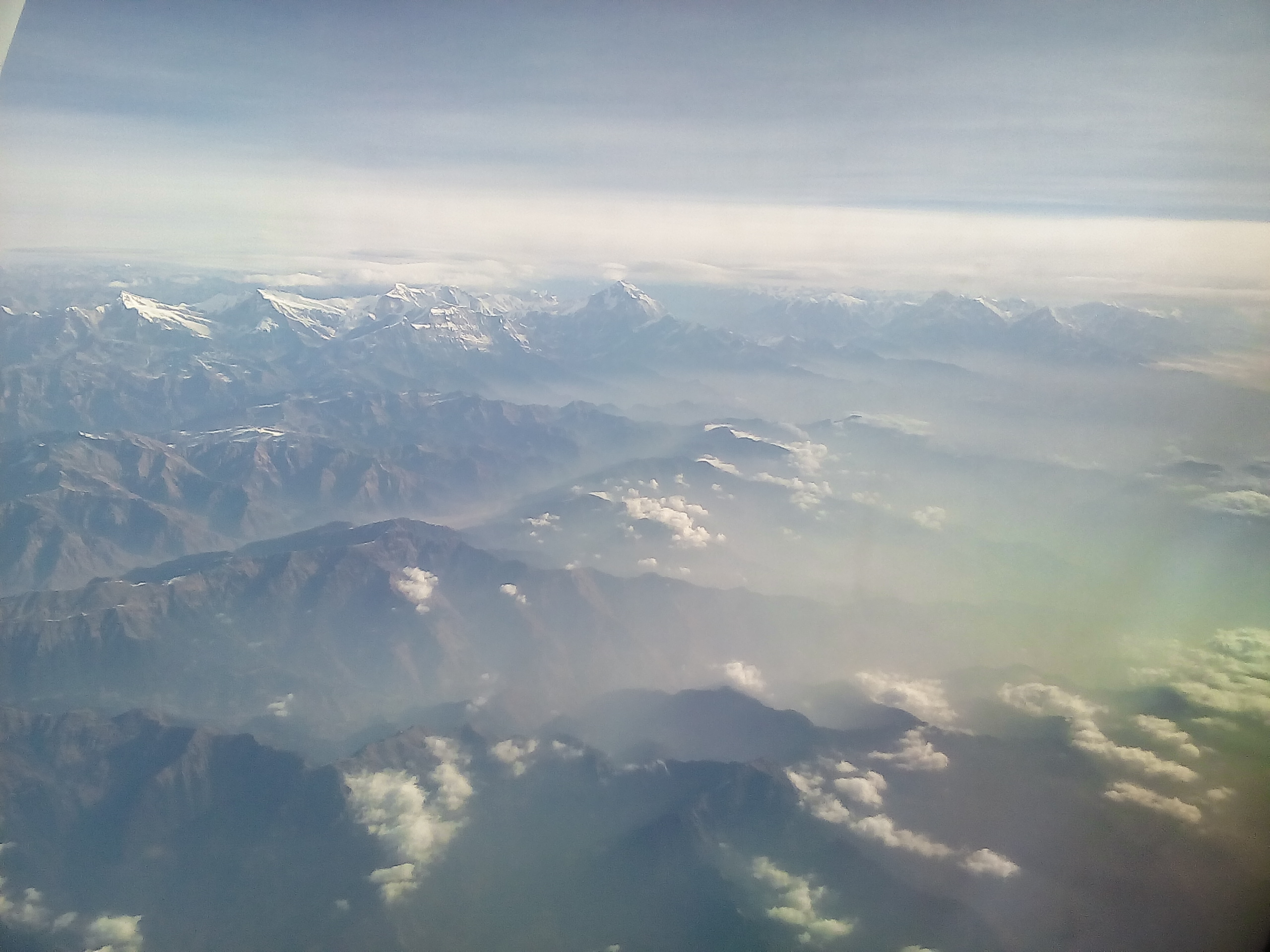
We are not in the Himalayas, and we cannot even see them from here, but we are in the foothills. I call it a hill, but perhaps mountain is more apt. We are at around 600 meters, and hiking uphill we can reach a peak of about 1200 meters (or about 4000 feet) near Tanahunsur village. I've woken up for sunrise hikes up to that peak four times now (although, admittedly, I've only actually gone on the hike thrice; the sunrise happens early, no?), and from there one can look across to the Annapurna range of the Himalayas…which I did my trek in! Macchapucchare, which I got so up-close-and-personal with, hangs there, pointy and amazing in the distance. Closer by, the valleys fill up (to an altitude of around 800 meters) with fog – at Maya every morning, this same fog encases the entire area, so that sometimes you can't see but 20 feet. But from the peak, the fog is distant and is illuminated golden orange by the rising sun, and breaks against the shores of the mountains, making them into islands in a larger sea.
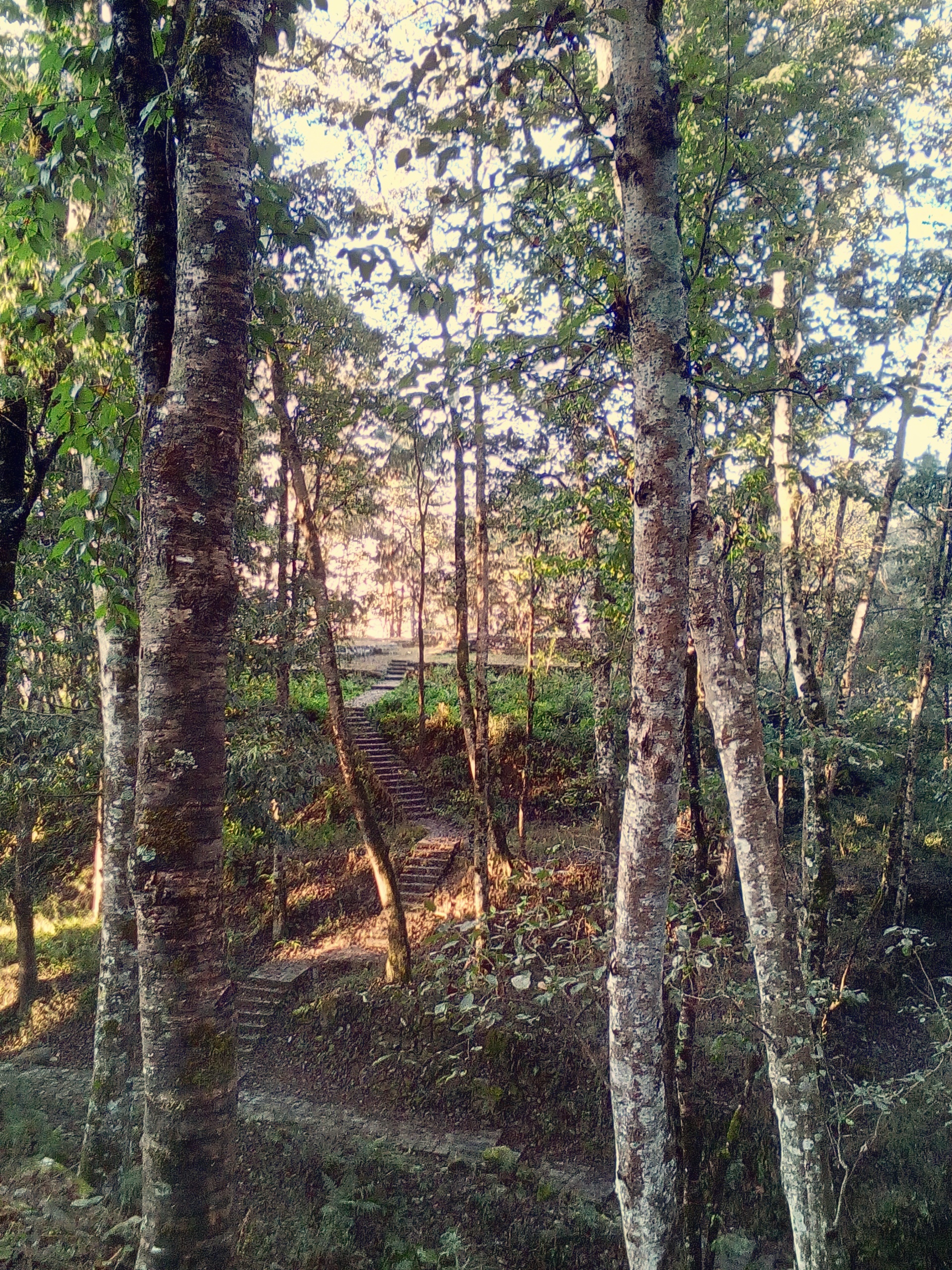
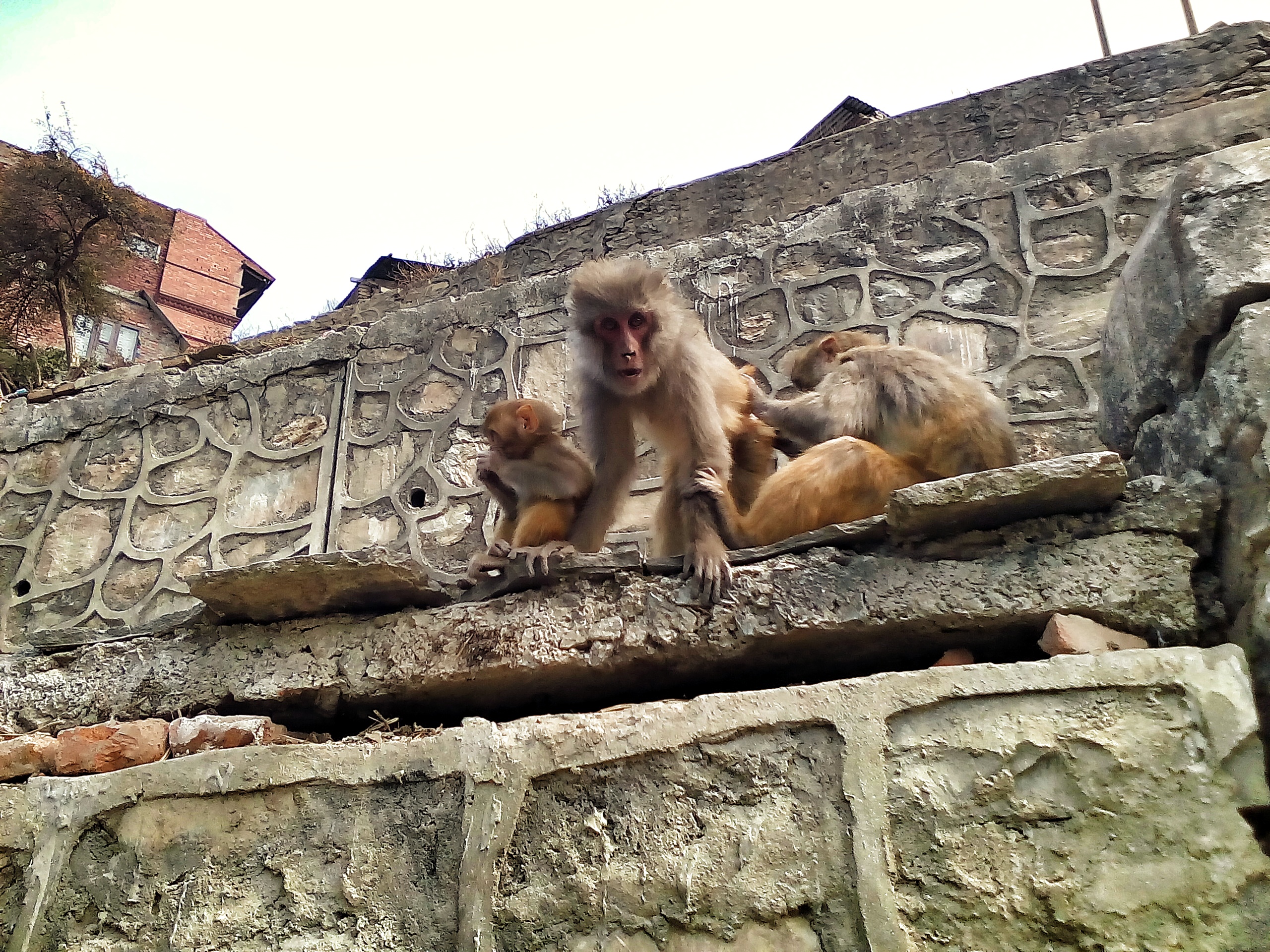
These islands are steep and tall but have nothing on the distant white Himalayas, but they are green and jungled and carved into terraces, some in current use and some old and abandoned, with new forests growing on them and goats (and perhaps leopards! Although I haven't seen them yet) roaming threw them. Traveling up and around and down, you might follow the road, built recently and surprisingly decent quality (although not paved or anything) for the bus that goes once a day to the more distant villages, and the occasional tractor or motorbike or, even more rarely, a private jeep. More likely you'll follow a path through the jungle or by the terraces, with stone steps in the steeper sections laboriously placed by hand after being smashed from rocks nearby. There is a preponderance of butterflies, of a great technicolored variety. Flocks of birds, some green parrots and other types, fly around and chirp in the distance, and there is an occasional eagle or something anyways quite large. Also large: some spiders, particularly those encountered in the toilet late at night, and some centipedes (millipedes?) encountered when digging for rocks in the woods. There are scorpions too, but I haven't seen them yet. Oh, and: monkeys! You have to be careful about them stealing things out of your hands, and it has been suggested simply not to carry things in your hands near them.
…
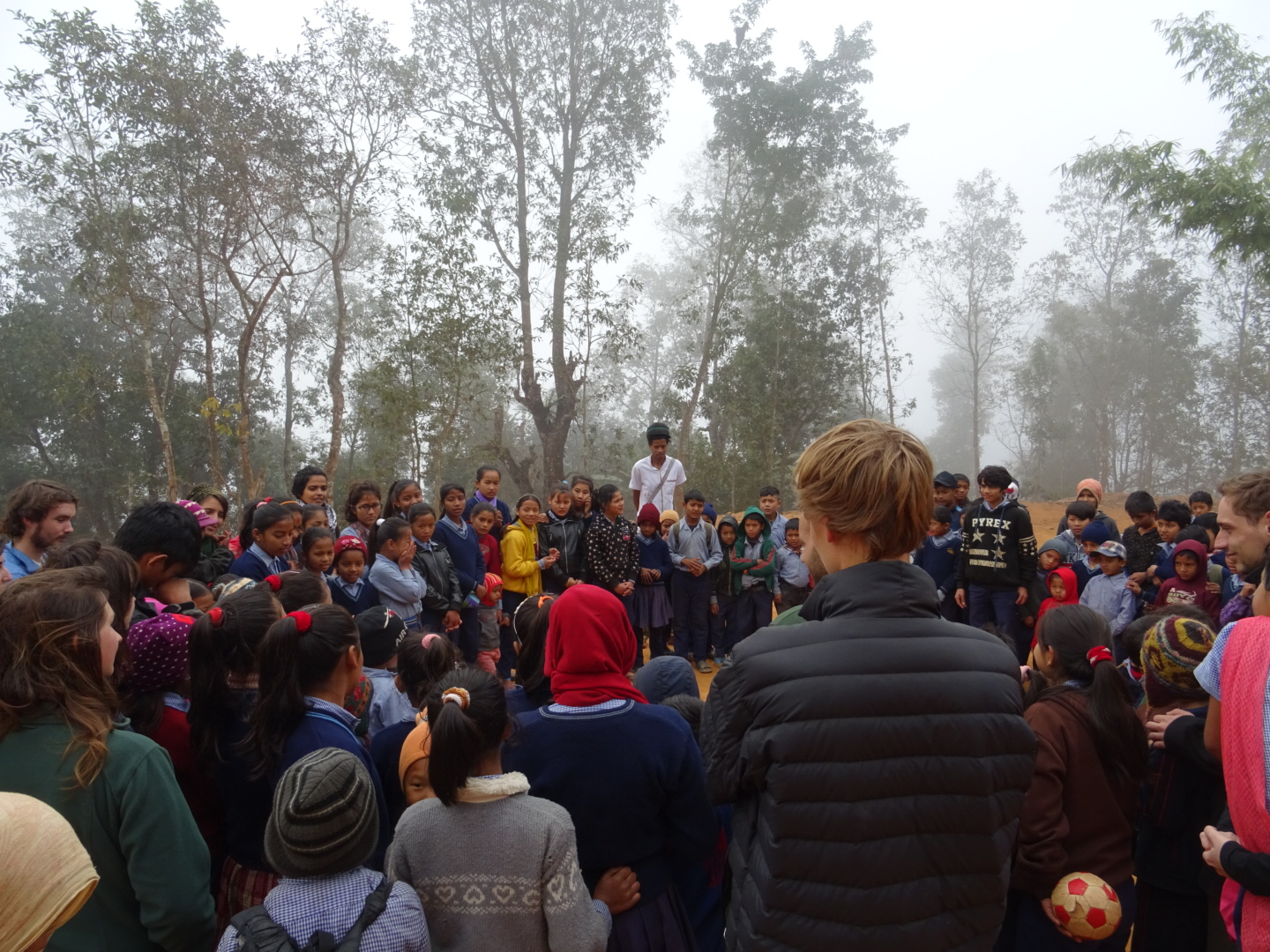
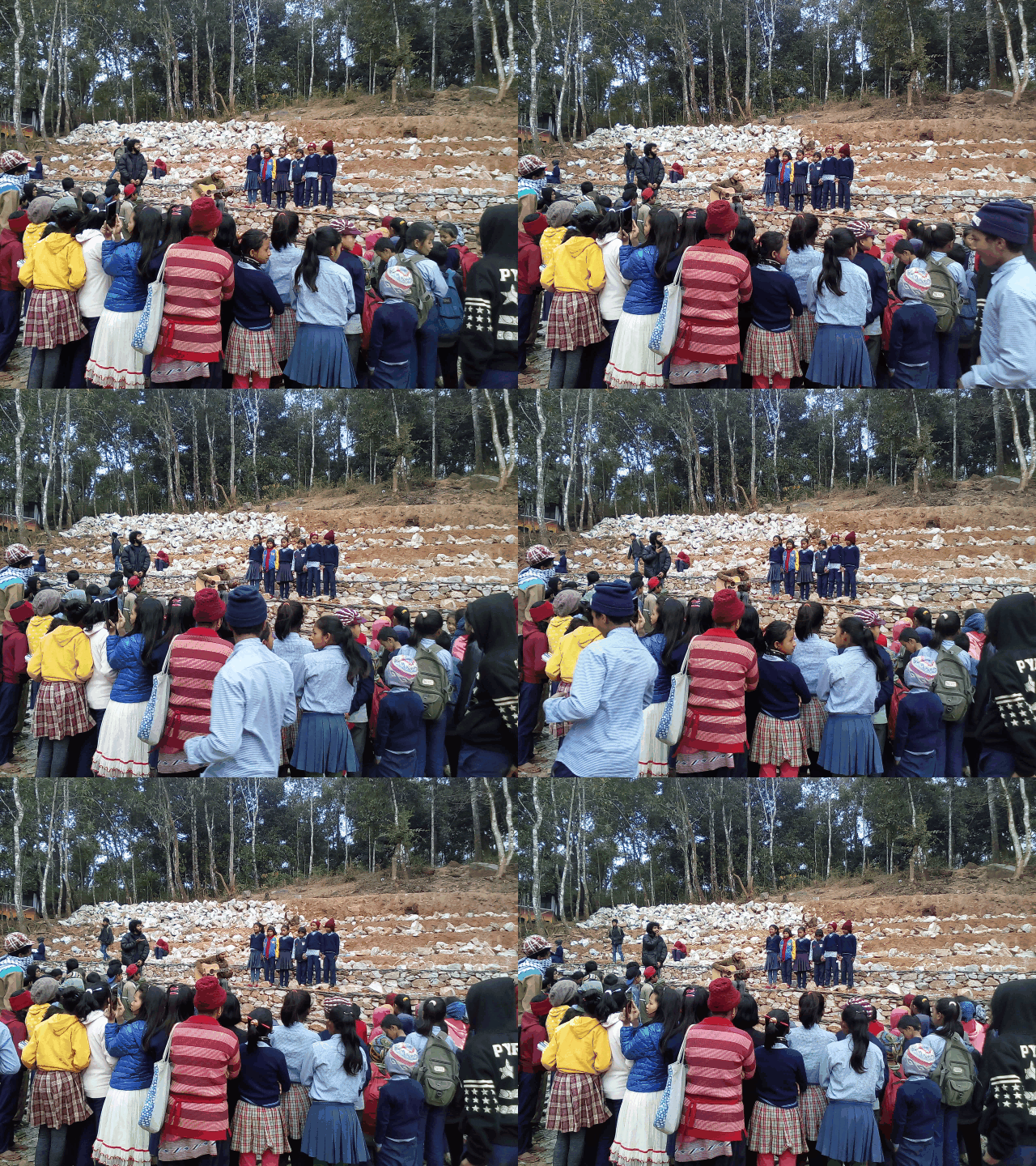
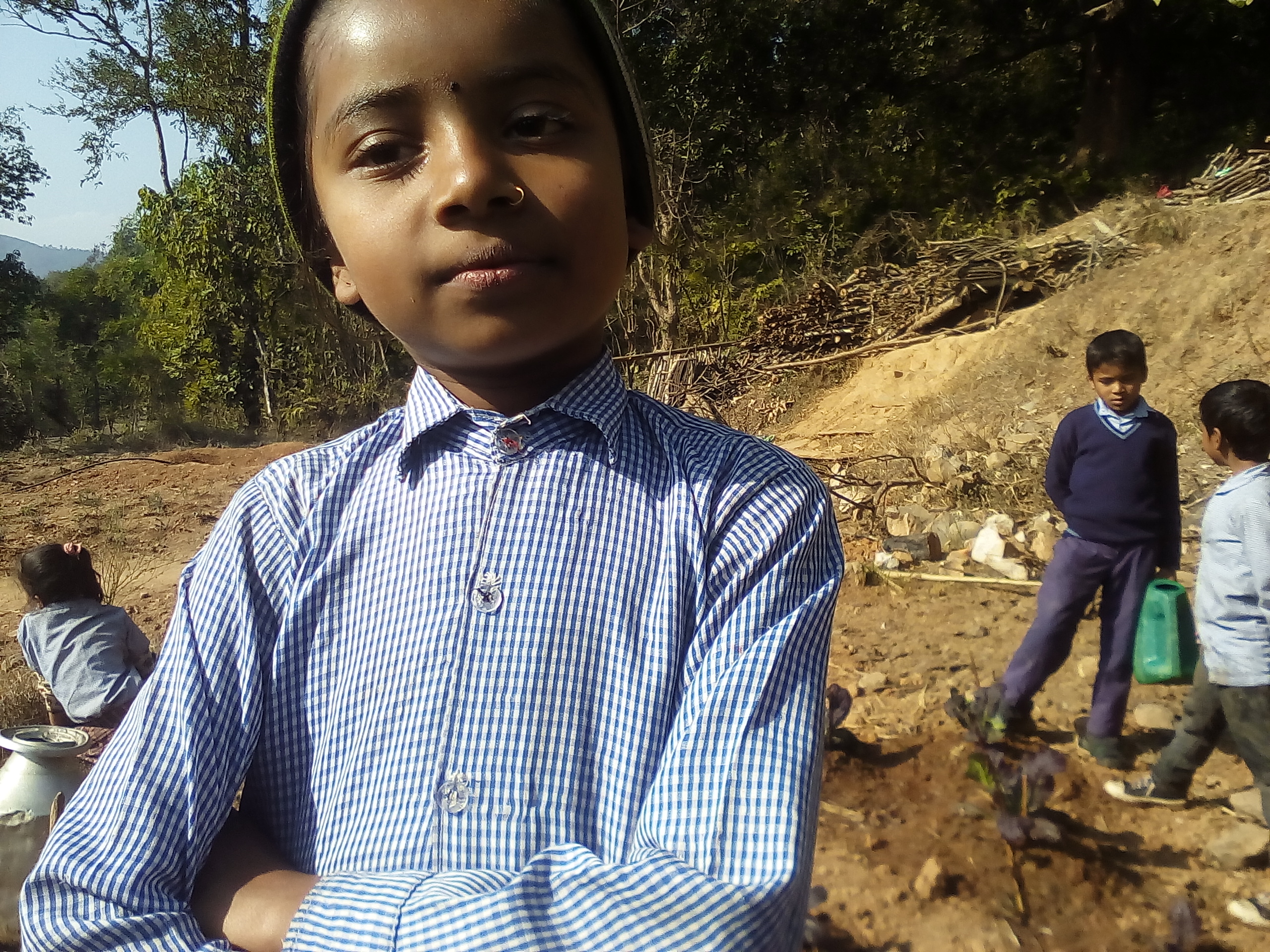
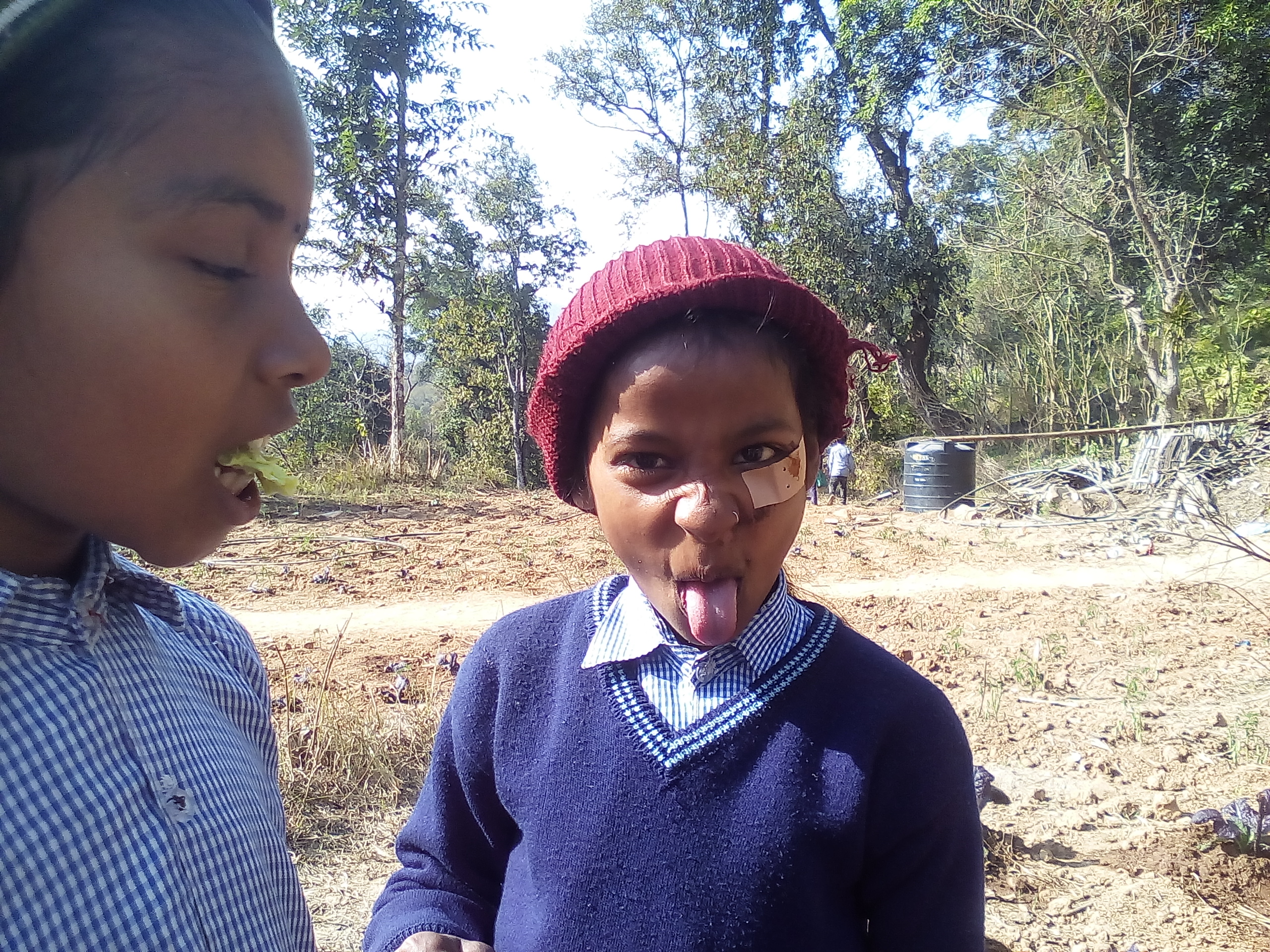
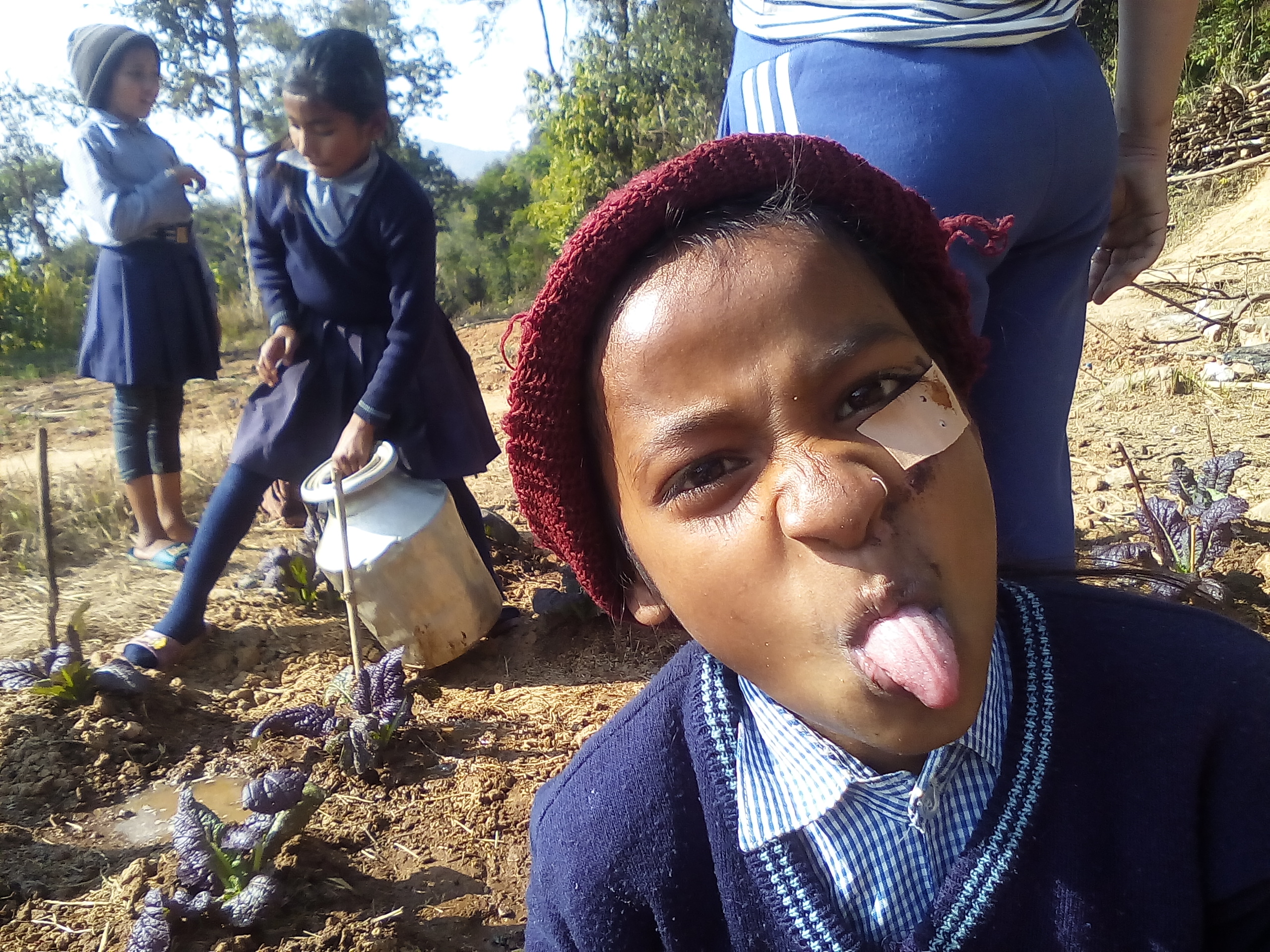
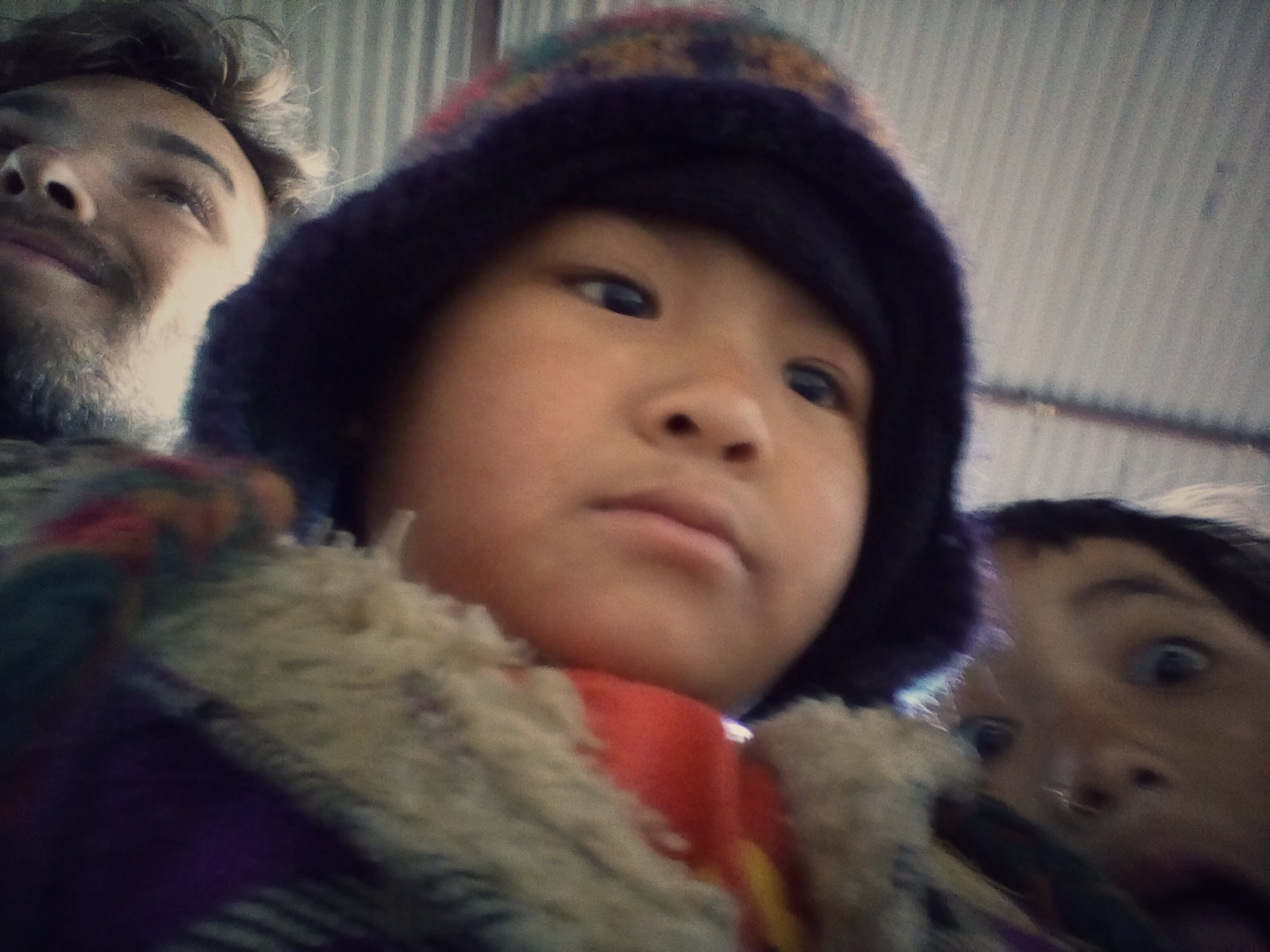
But it's really the people that are cool about Maya. The kids! So cute. They kind of swarm around you, holding your hand and asking to get picked up, and then get distracted and run away and play silly games. Probably much like kids everywhere, really, but I don't have too much experience with the whole species. Teaching them is a different matter, although officially I am just a “tutor” and have only rarely have to actually teach a class. I don't think tutoring is easier though, as they send both kids that distract the rest of the class and kids who have a really hard time with the subjects (or, say, struggle with English, which is either their second, third, or fourth language, behind Nepali and maybe Hindi and maybe another of the many languages spoken in Nepal… and while I'm talking about it, many of these kids are learning another language too, like Spanish or Chinese. Damn). And then this group of 5 or 6 kids just distracts and confuses each other and gradually catch on to the fact that I don't have any idea how I can discipline them. I turn my back and they get in fights, punching eachother quite frequently. I ask them if they understand and they enthusiastically assert that they do, I ask for the answer and the confusedly shake their heads and avoid eye contact. Or they give an answer, any answer that is vaguely associated to the question or just not whatsoever. Every once in a while these answers are correct, but then you have to be careful: if you prompt them with a different answer, they will immediately change their minds.
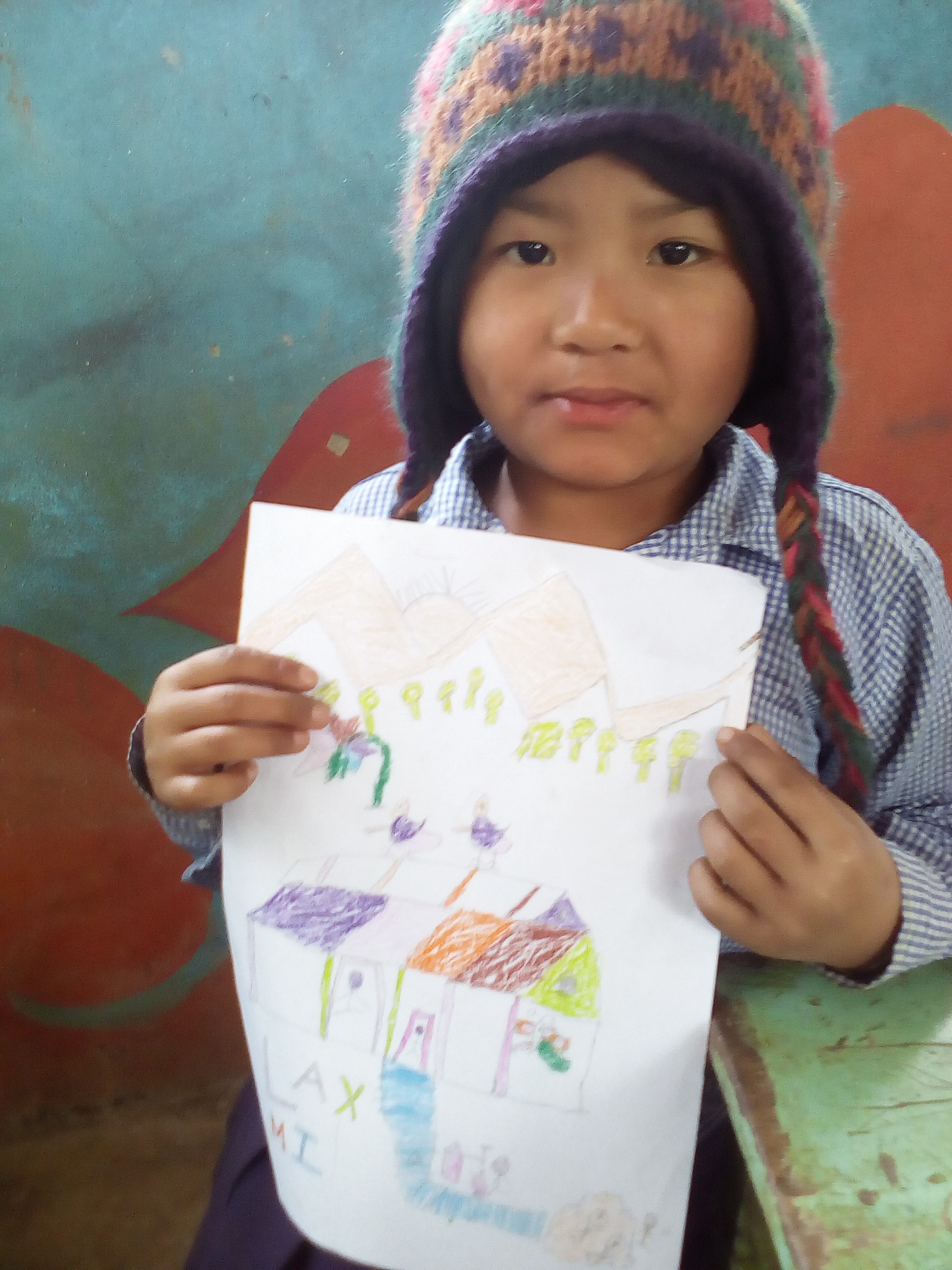
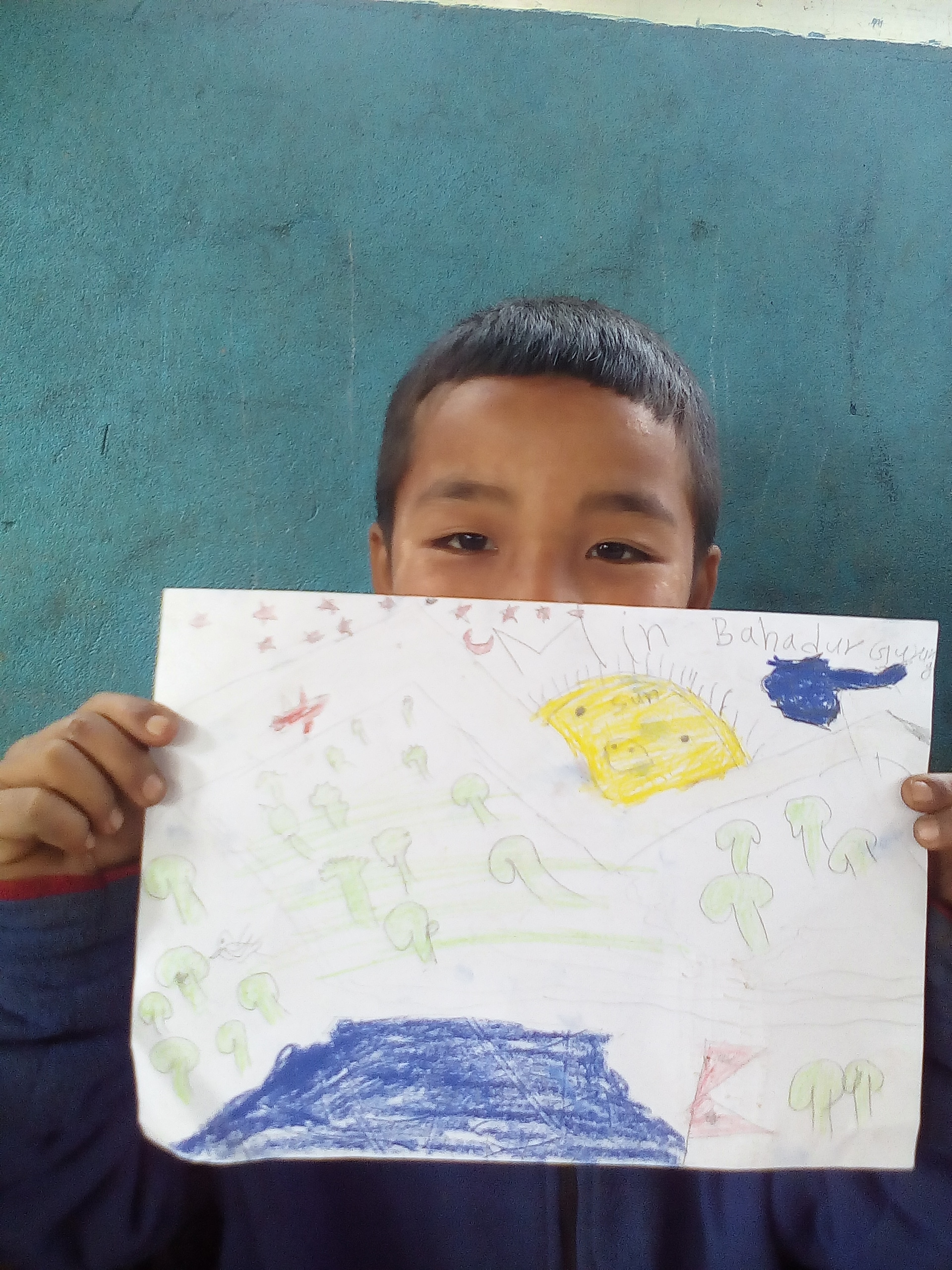
But that's just the rantings of a confused guy who doesn't know anything about teaching and in fact many of the kids seem quite bright. Especially considering how irregular their schooling is, perhaps a few years behind and taught frequently by volunteers who come and go, come and go. And they are fun to hang out with. And today I got to teach art to the first graders and that was extremely fun, just giving them paper and colored pencils and letting them go.
…
And the adults! Or at least older kids: most of the volunteers seem to be around 19 to 22 years old, although there is a handful of outliers. Manjil, the founder, principal and guy-in-charge-of-things, is only 27, having founded the school six years ago directly out of university. The volunteers seem to be about half Nepali, kids from Kathmandu and locals and people who have relatives attending one of the three Maya schools spread across Nepal. The other half is from all over: right now, there are representatives from Korea, China, India, South Africa, Estonia, Slovakia, Hungary, Malta, Germany, Holland, France, and the US. Really nice is the fact that English is my native language and it is what everyone here communicates with, although Nepali does come up a fair amount. And this hodgepodge of people either found the school online randomly or knew someone who came here and recommended it (as I did – thanks, Michael!). But! We get along quite well, all things considered. We have a lot of fun.
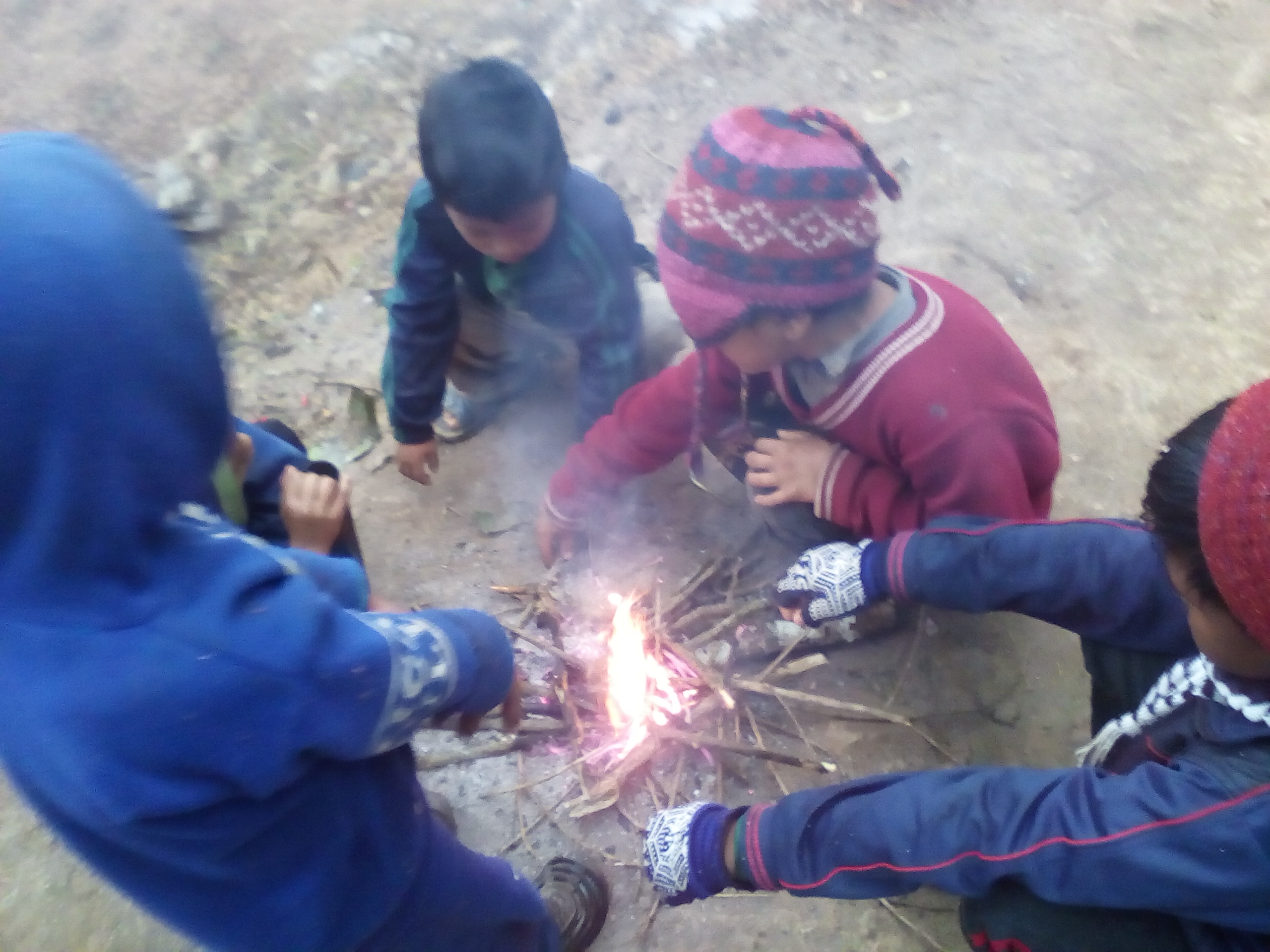
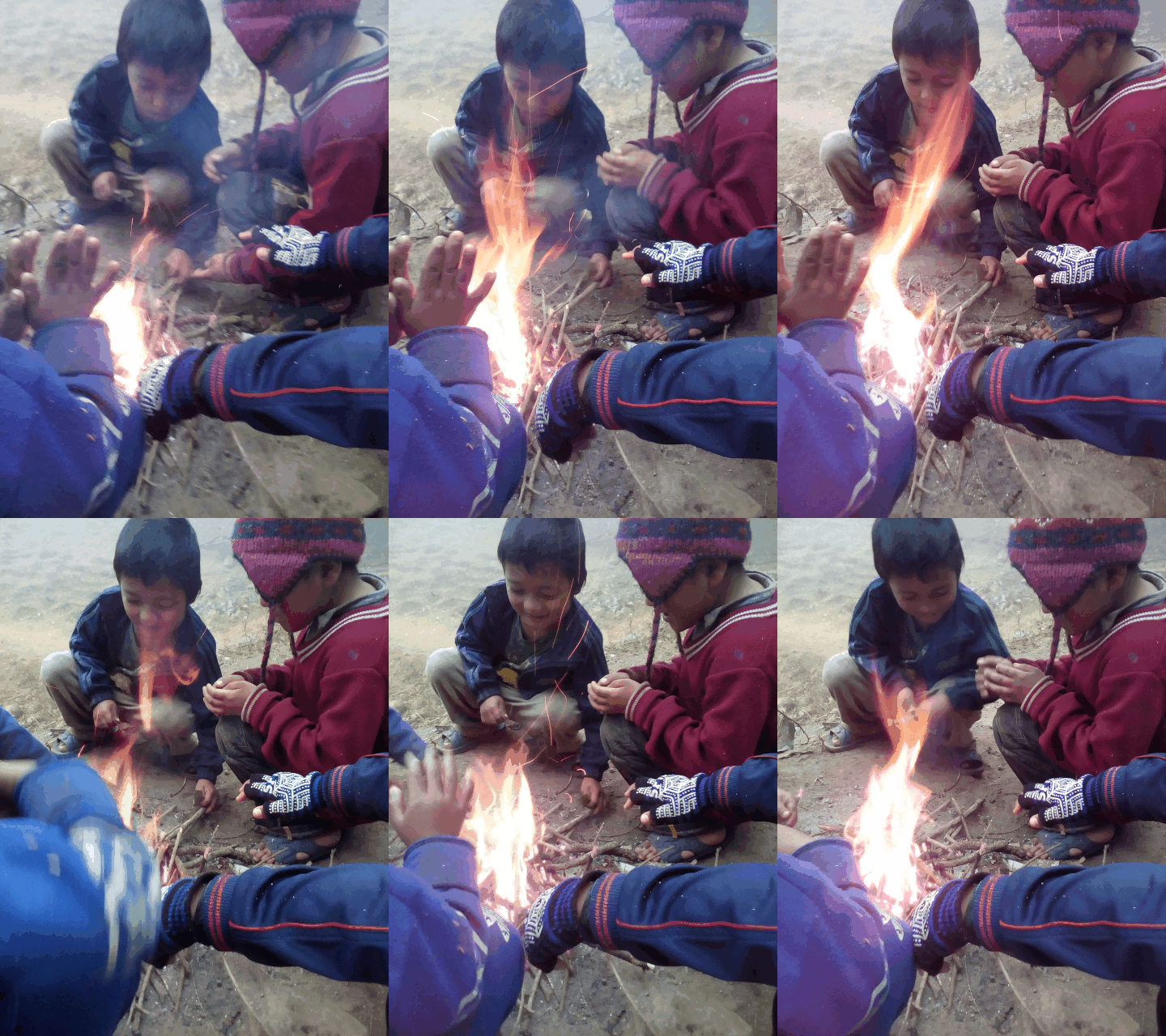
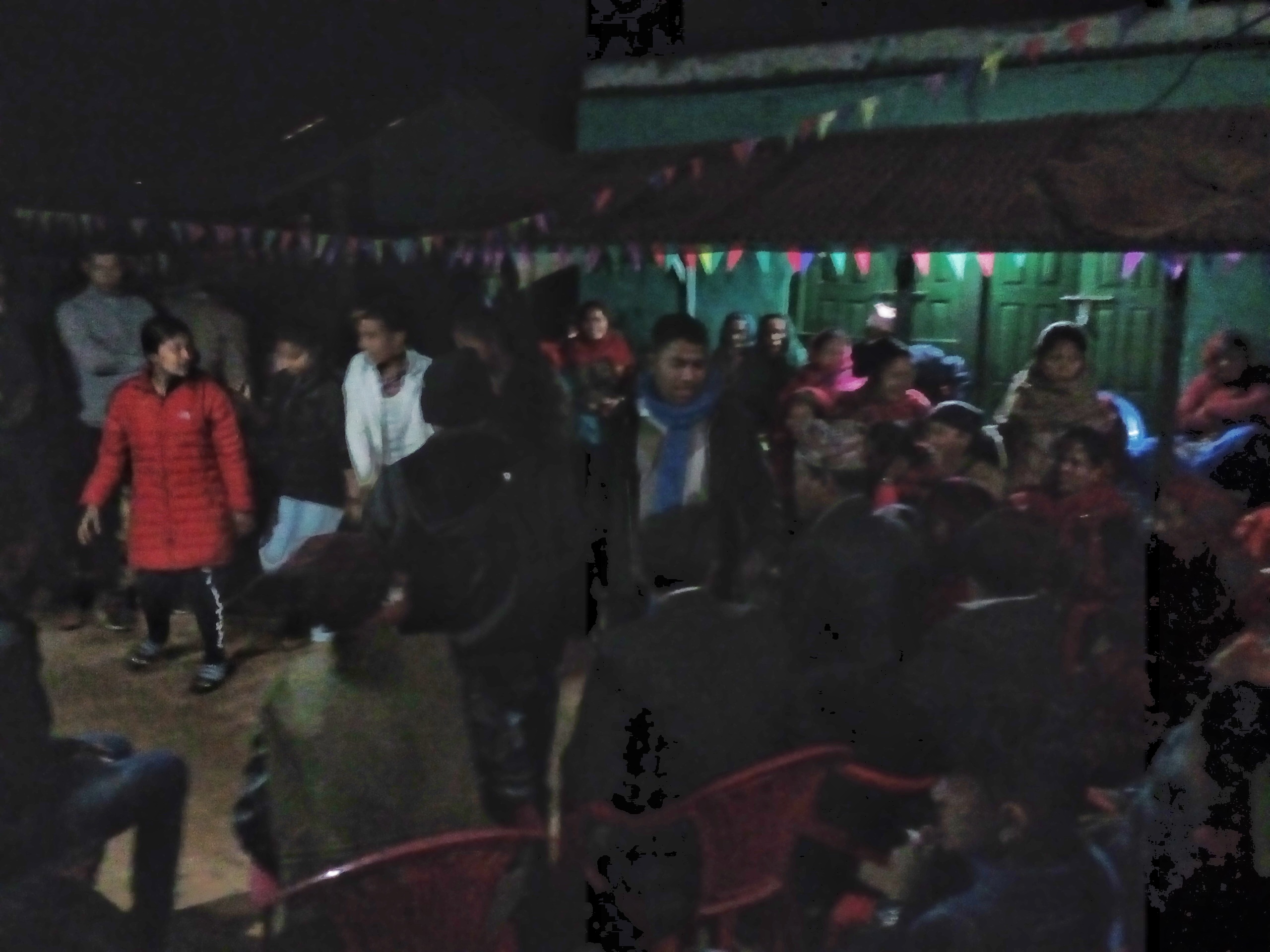
Parties are pretty frequent, although not terribly intense: we build a fire, occasionally get some meat and do a barbeque, cooking chicken in a big bowl just placed in a fire outdoors. Typically, someone will take out one of the many guitars in our possession and play some songs: some Nepali traditional, a lot of The Beatles, a lot of CCR. There'll be some dancing, and maybe we'll use canned music instead of the live variety. Marijuana is a pretty big thing over here, and some of that might be smoked; raksi, a kind of local wine made from millet and reminiscent of sake (although at about 80 cents a gallon, a bit more affordable) is pretty big, and some of that might be drunk. We do not act, you might notice, like the best role models for the kids one hundred percent of the time but: we never do any of that within potential range of kids. And much of the conversation at these parties is:are we doing things right? What are the challenges that we face? What are the systematic issues that we have to be mindful of? How could we be helping the kids better? How do we fit in? Interesting, hard questions. And we talk of our homes, of politics, of the impact of Brexit on the EU economies, of racial tensinos in South Africa, of Buddhist philosophies, of literature and of how great a show Rick and Morty is.
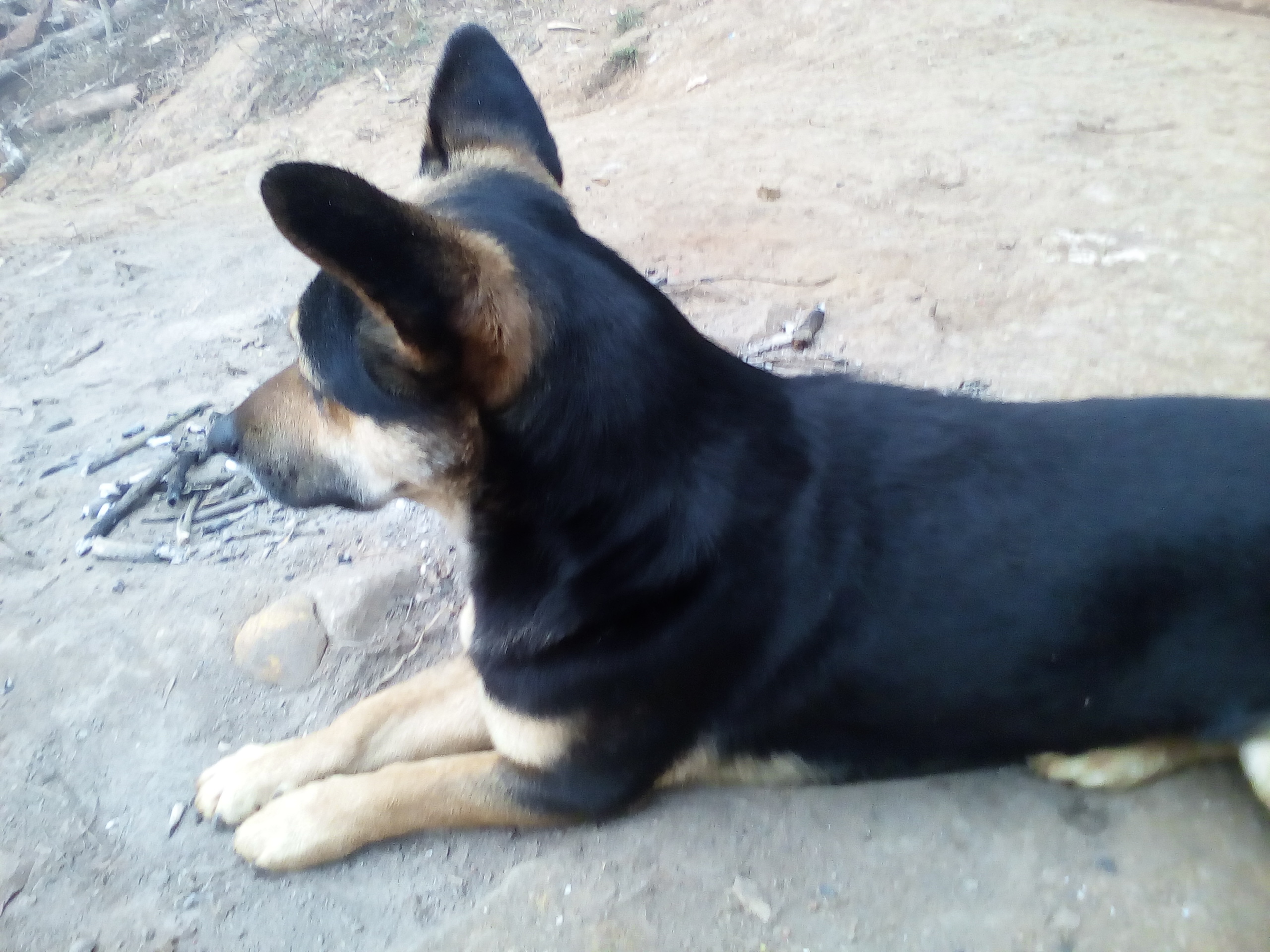
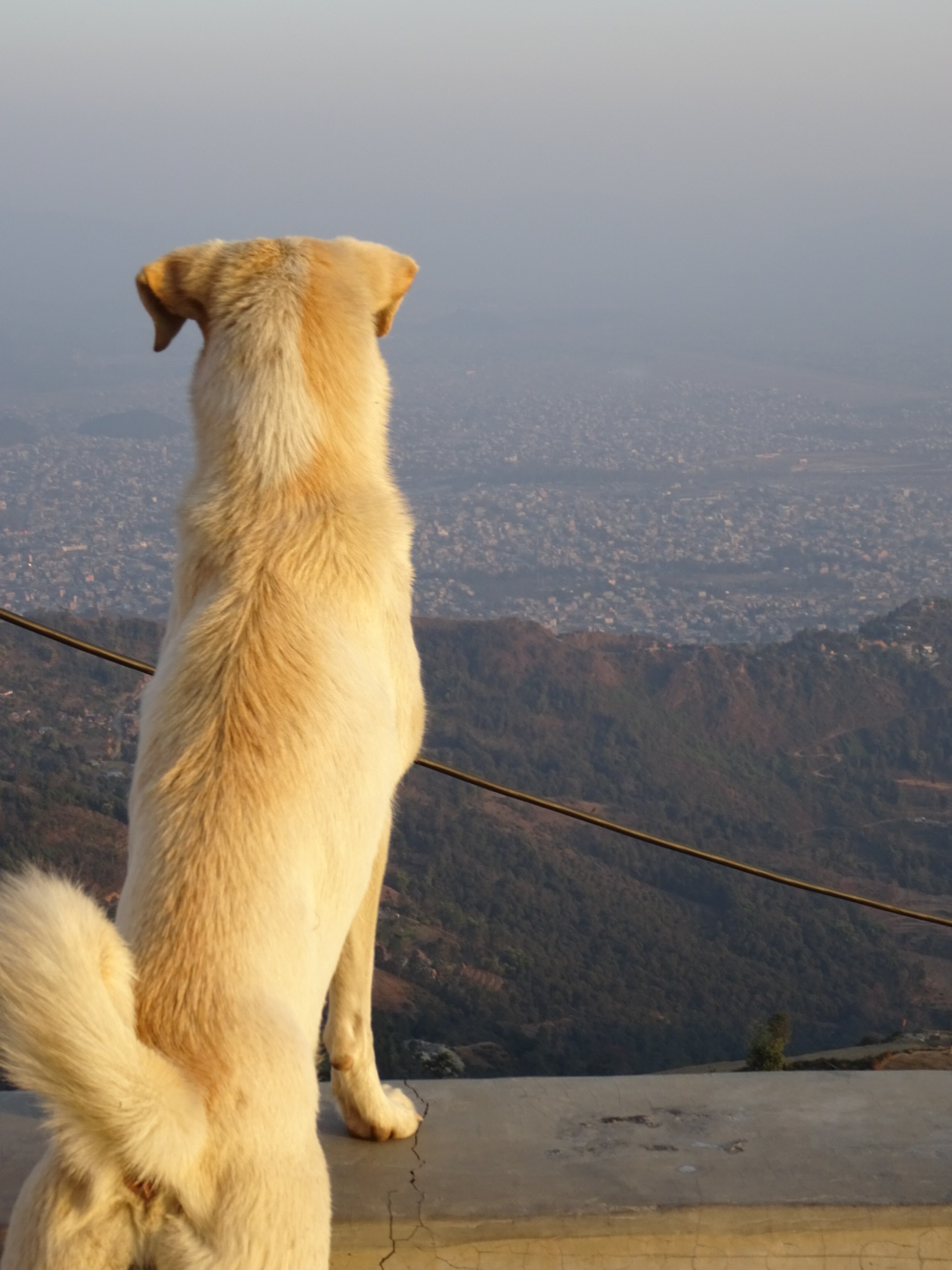
But then there are of course also the quieter evenings. I myself pretty frequently will spend an evening reading quietly, watching the sunset, petting one of the dogs: a pretty ideal type of thing, in my opinion. Others do similarly. And anyways, that's just the evenings.
…
We have school five and a half days a week, Sunday through Friday noon, and we work at the same time as school. Some work construction, some work on agriculture, some work with the kids and most mix between the two. I started off working construction in the mornings. Construction, in this particular case, is also kind of just miscellaneous menial labor. I hauled firewood, dug a big hole, helped put together chicken coops (have you ever seen a chicken sneeze? It is quite the engaging experience), dug out rocks, hit rocks with a hammer, moved shards of rocks from point A to point B. It was hard work, although short hours: only four or five hours a day. But some of these volunteers just go and go and go, working so hard it is amazing. I, I must admit, was not one of these, but Jano and Krishna and Jidan were nonstop. Maybe this is why, last week, they put me on full time tutoring. At first, I only did this in the afternoons, with one group of sixth graders going through a math textbook and doing every problem. But then they just started throwing kids my way, and then a few times they had me sub in for missing teachers, and now I've taught every grade except 5th, in Art, Science, Math, and English. And: supervised play time, because I just didn't know what I was supposed to do and they really wanted to play. It's been very educational. I hope for the kids as well.
…
That I am at Maya for such a short period means that I am effectively nothing but a tourist. I do not have time enough to forge deep connections, too even learn more than a handful of the kids names I acknowledge that completely, but it is a nice place to be a tourist at. I will come back, I think, and teach some more, hang out with the kids more, go on more hikes, sit around the fire and watch the stars in the sky and the lights in the hills, work hard and become exhausted but at least have some impact, some lasting effect. For now, I think that Prabesh knows how to divide fractions, and Rajendra might remember how to add four digit numbers, and Jamuna how to multiply them. We'll see.
…
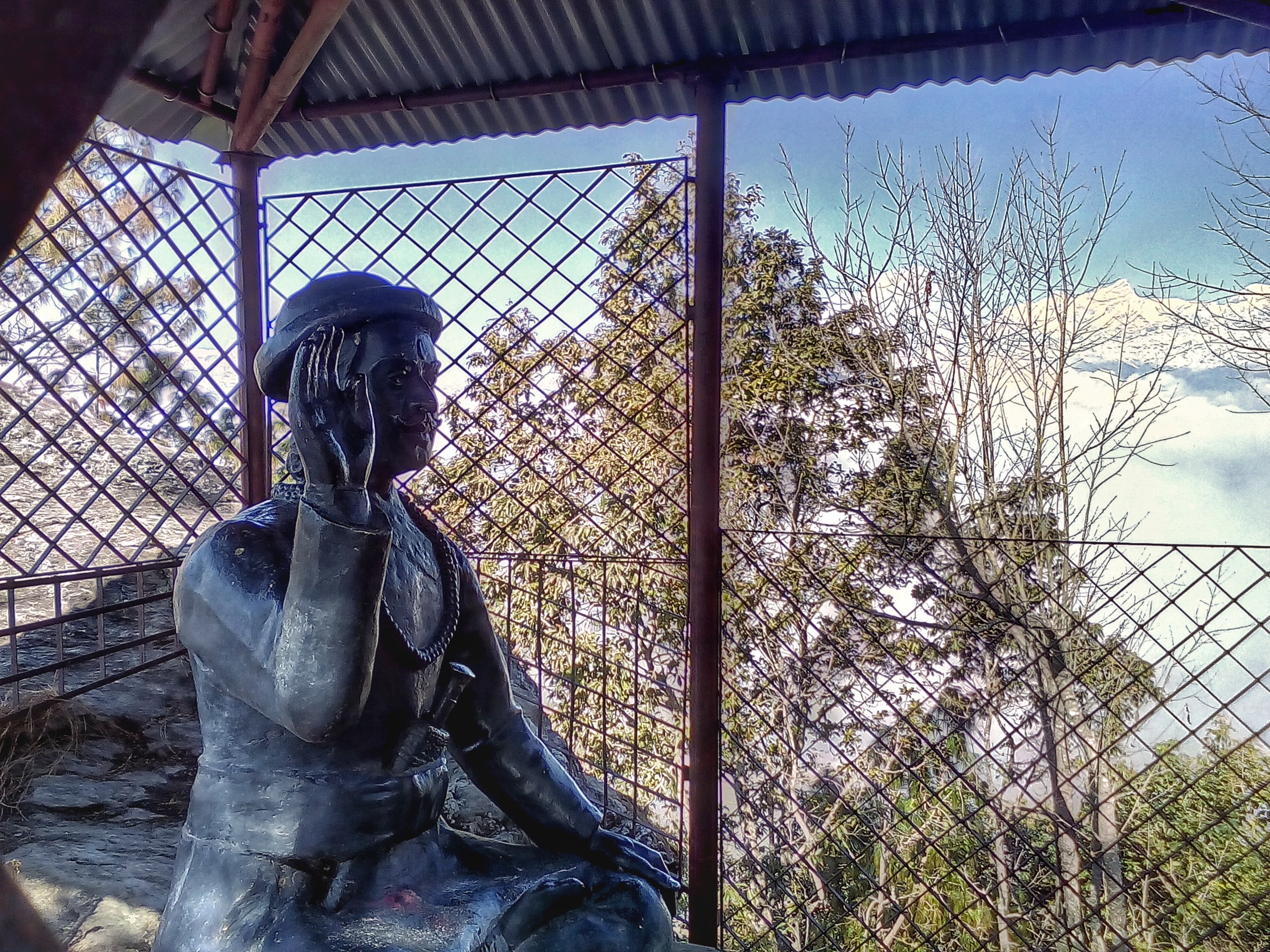
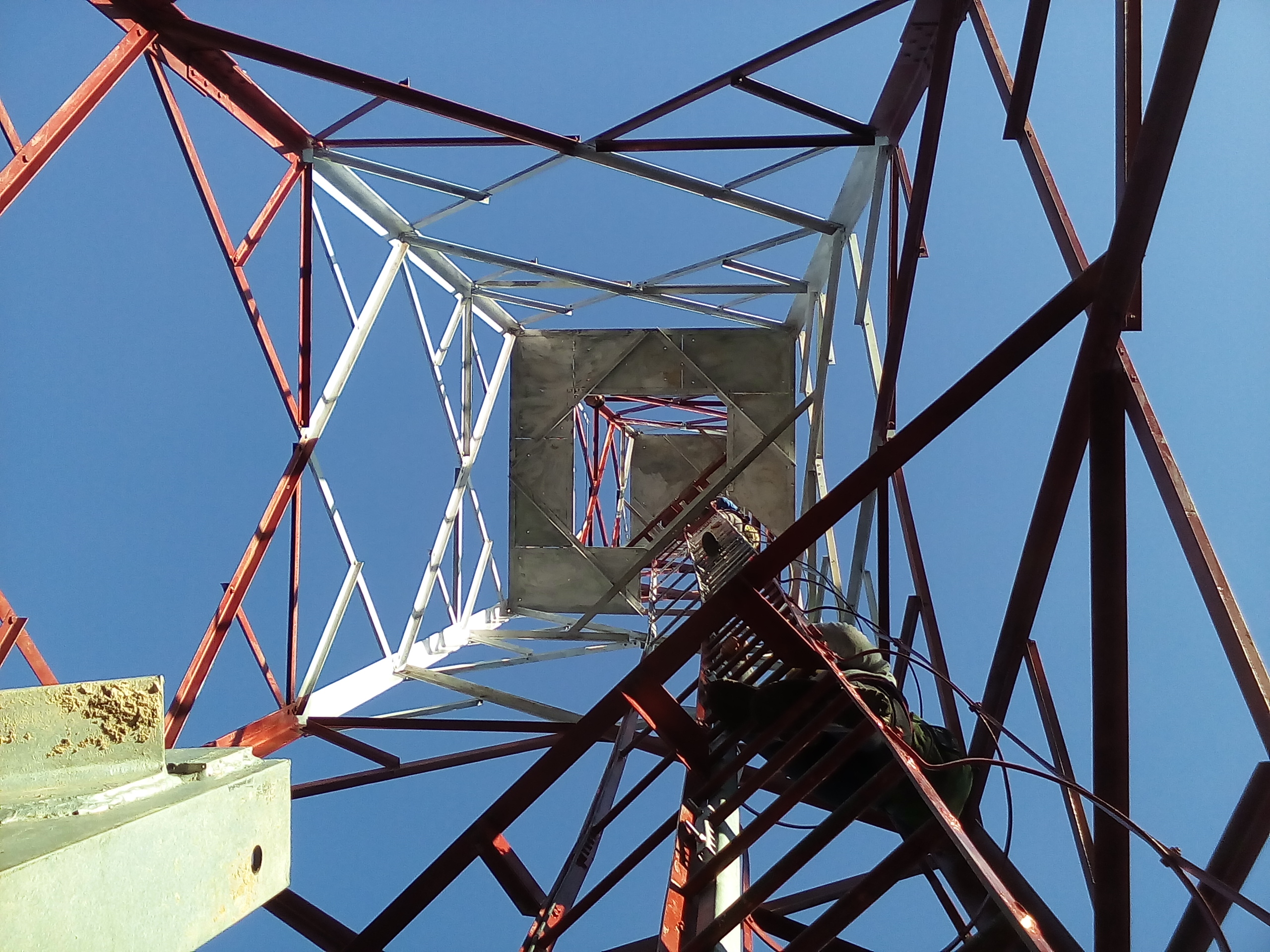
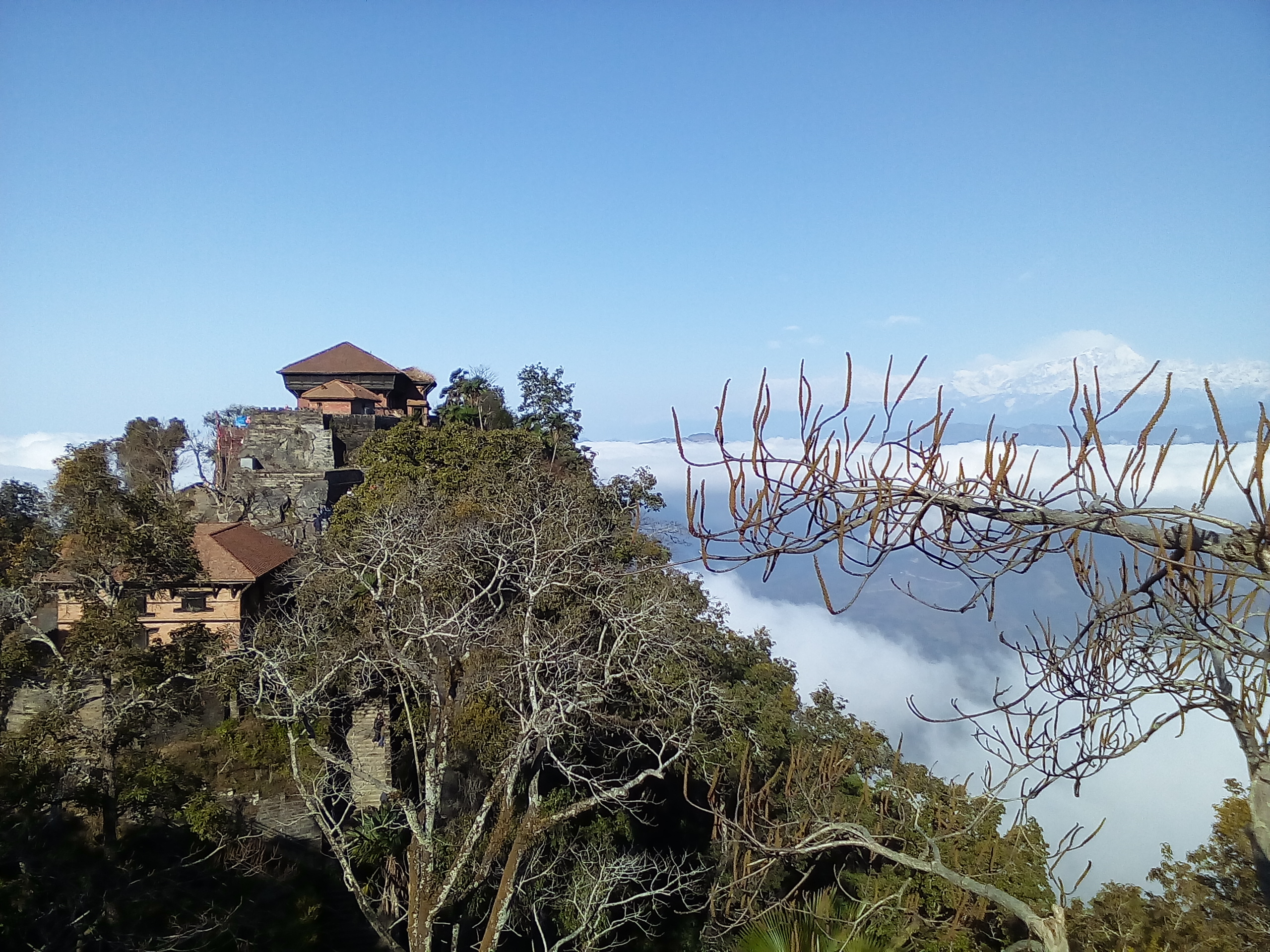
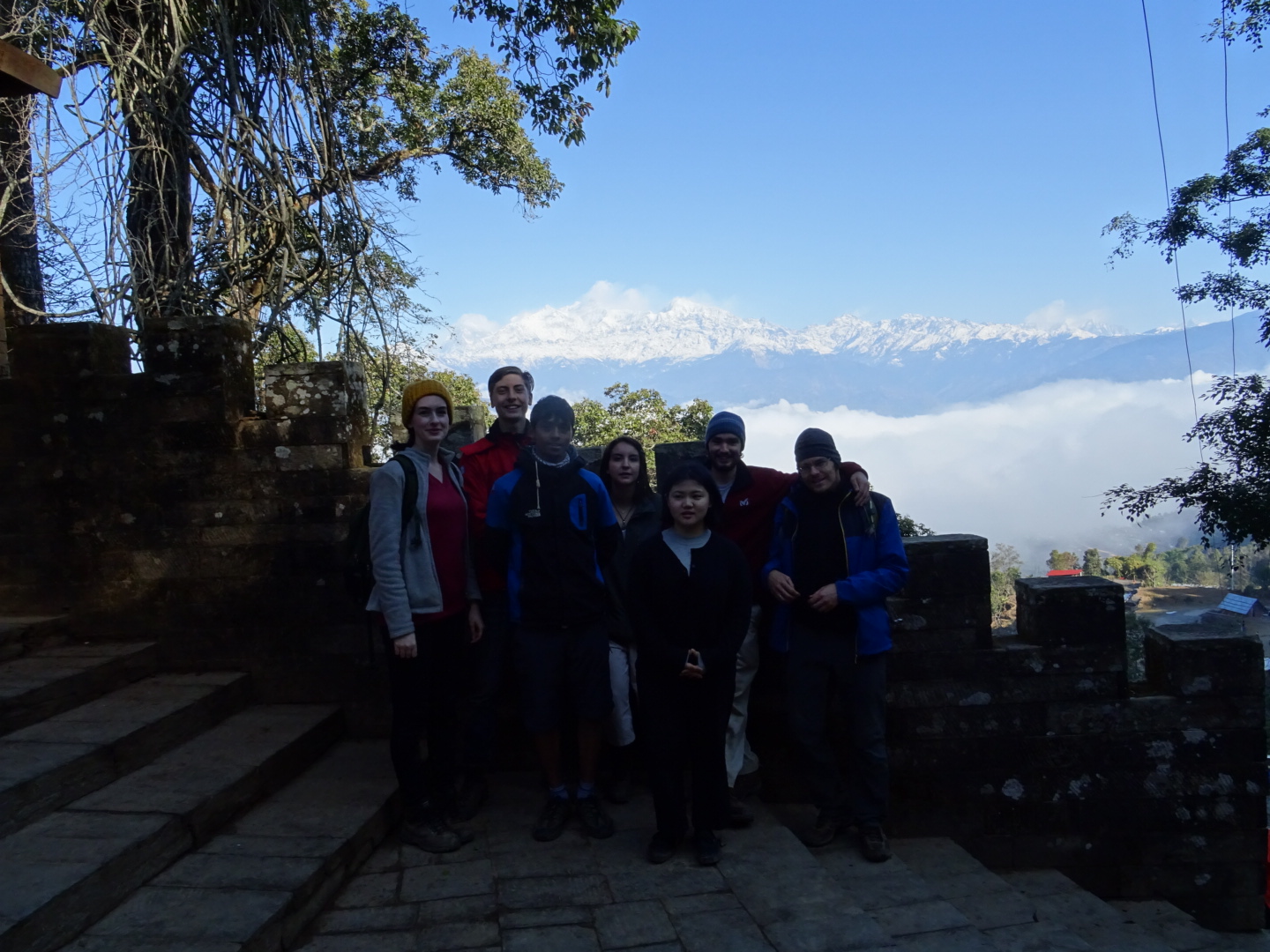
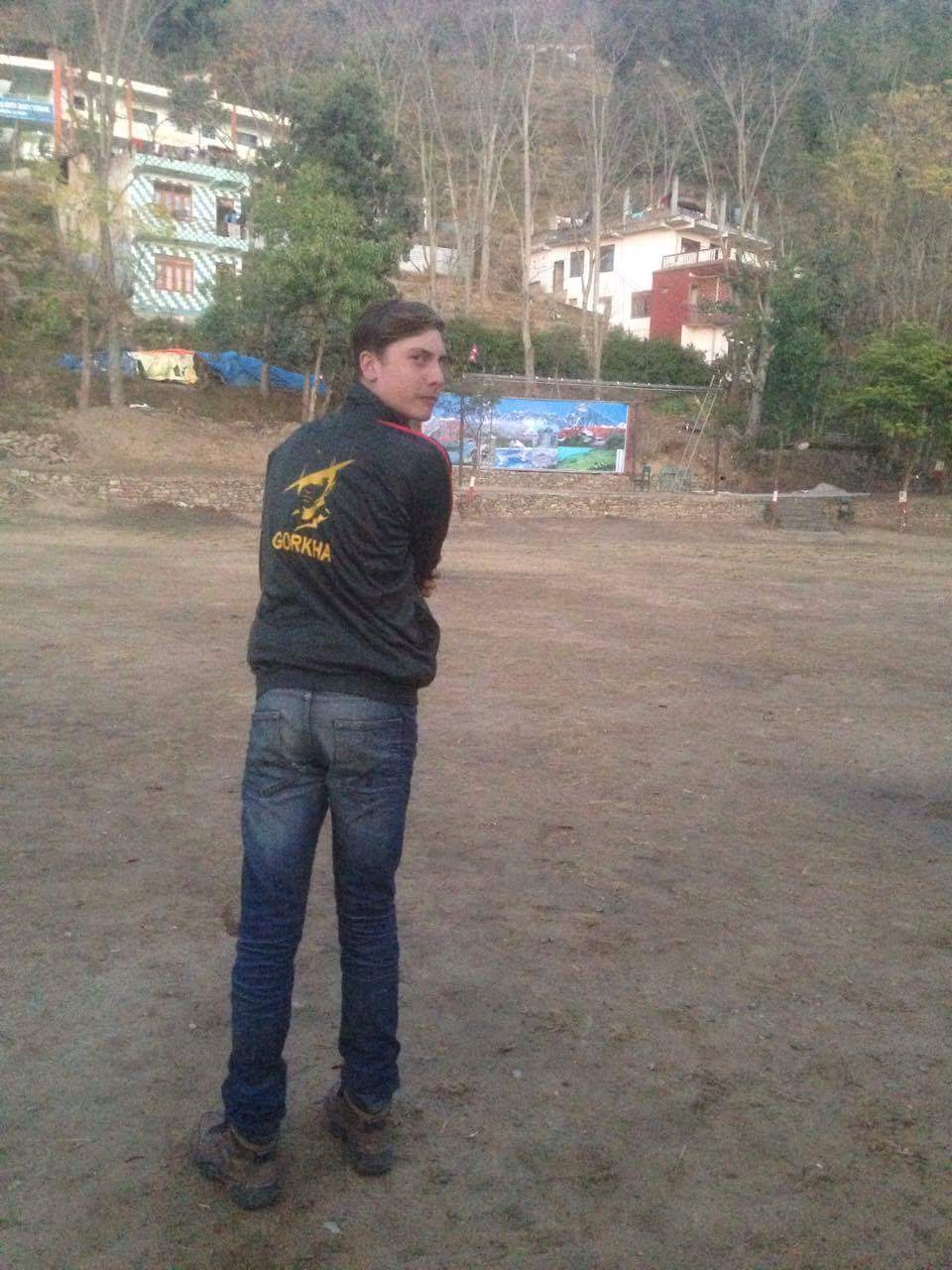
There was more, so much more to my six weeks in Nepal. I waxed over my weekends, over so many things, but the weight of all of that is rather intimidating and I just don't know what to write, so: I will breeze by them. Six of us went to Gorkha for a weekend, and stayed with Sajan's family. Sajan was another Nepali volunteer. He actually ended up leaving unexpectedly the weekend before I left, for reasons that were unclear, but he did make an excellent tour guide, for the most part. He knew all the trees, all the birds, all the pathways; had smoked with the high priest who we met in the Gorkha Dorbar, the main palace and temple of Gorkha; knew the food vendors nearby, and got us a discount. He took us on a sunrise hike that lasted most of the rest of the day, leaving us exhausted but satisfied: we had practically circumnavigated the city, small though it is. We passed the King's helipad, constructed out of local stones in the jungle near the top of the mountain. On the top, we found a tall tour, perhaps for cellphones or something but there seemed to be almost no technology attached to it, and an open gate and a ladder to the top meant that we experienced some excellent views.
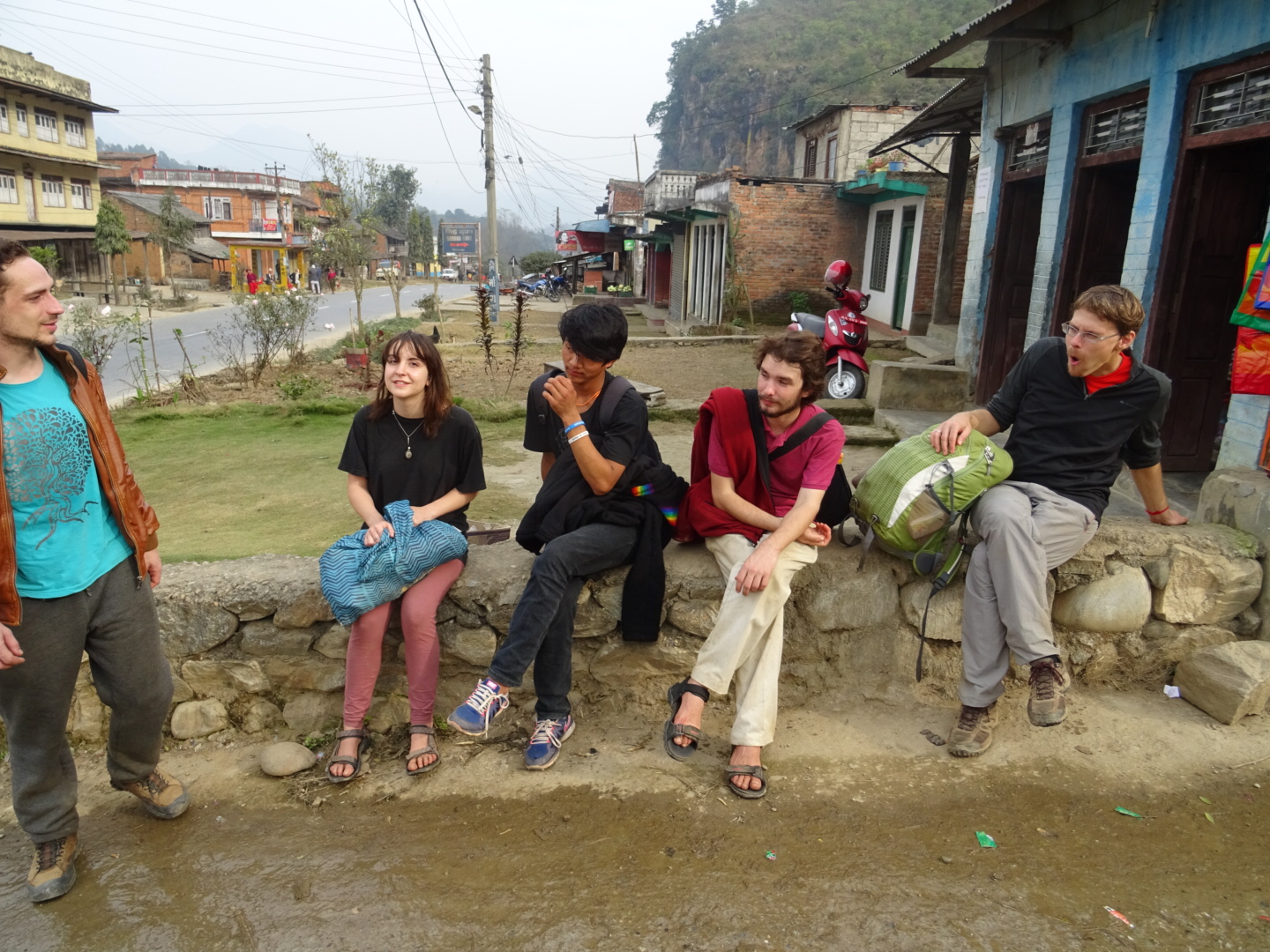
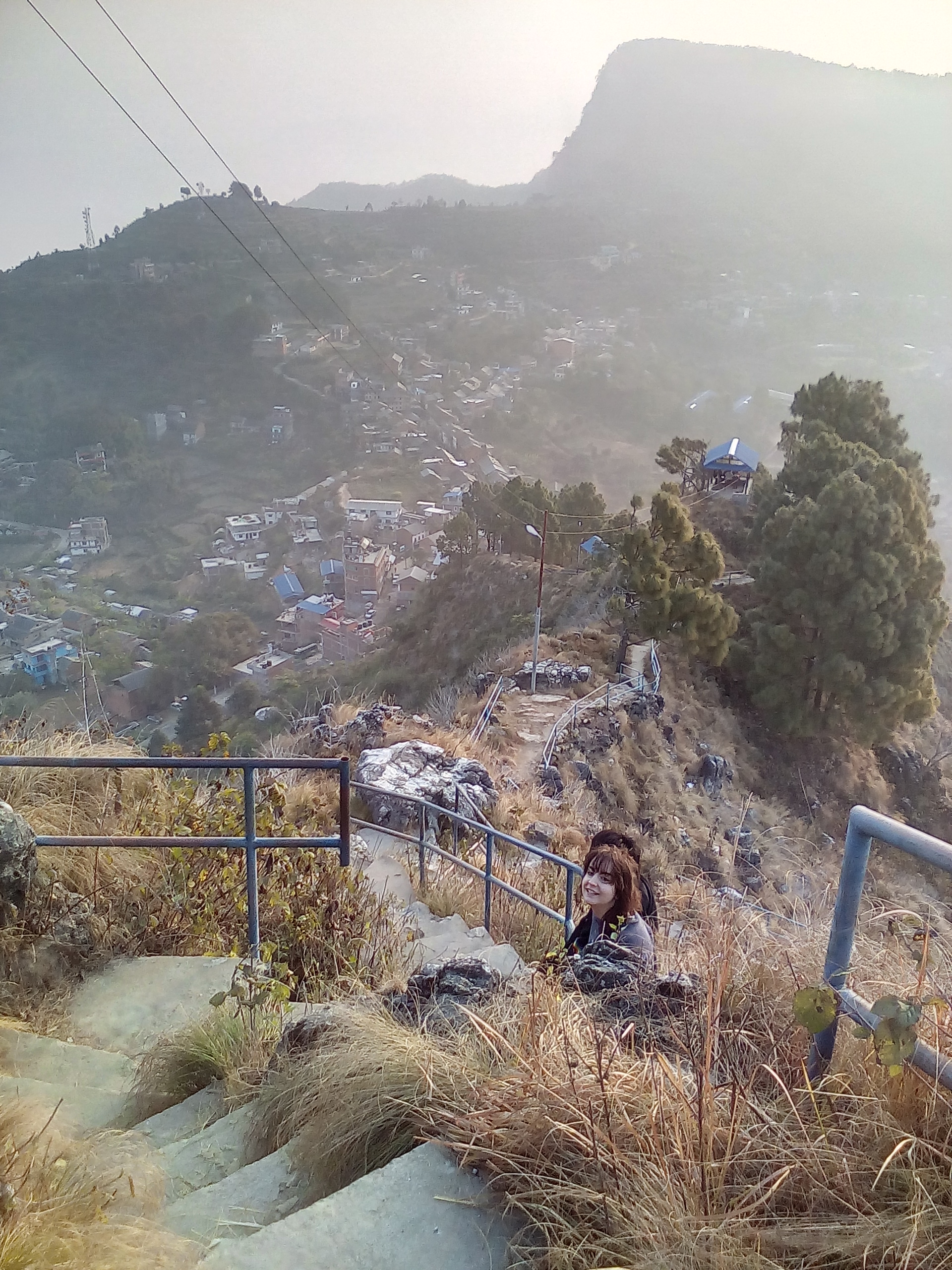
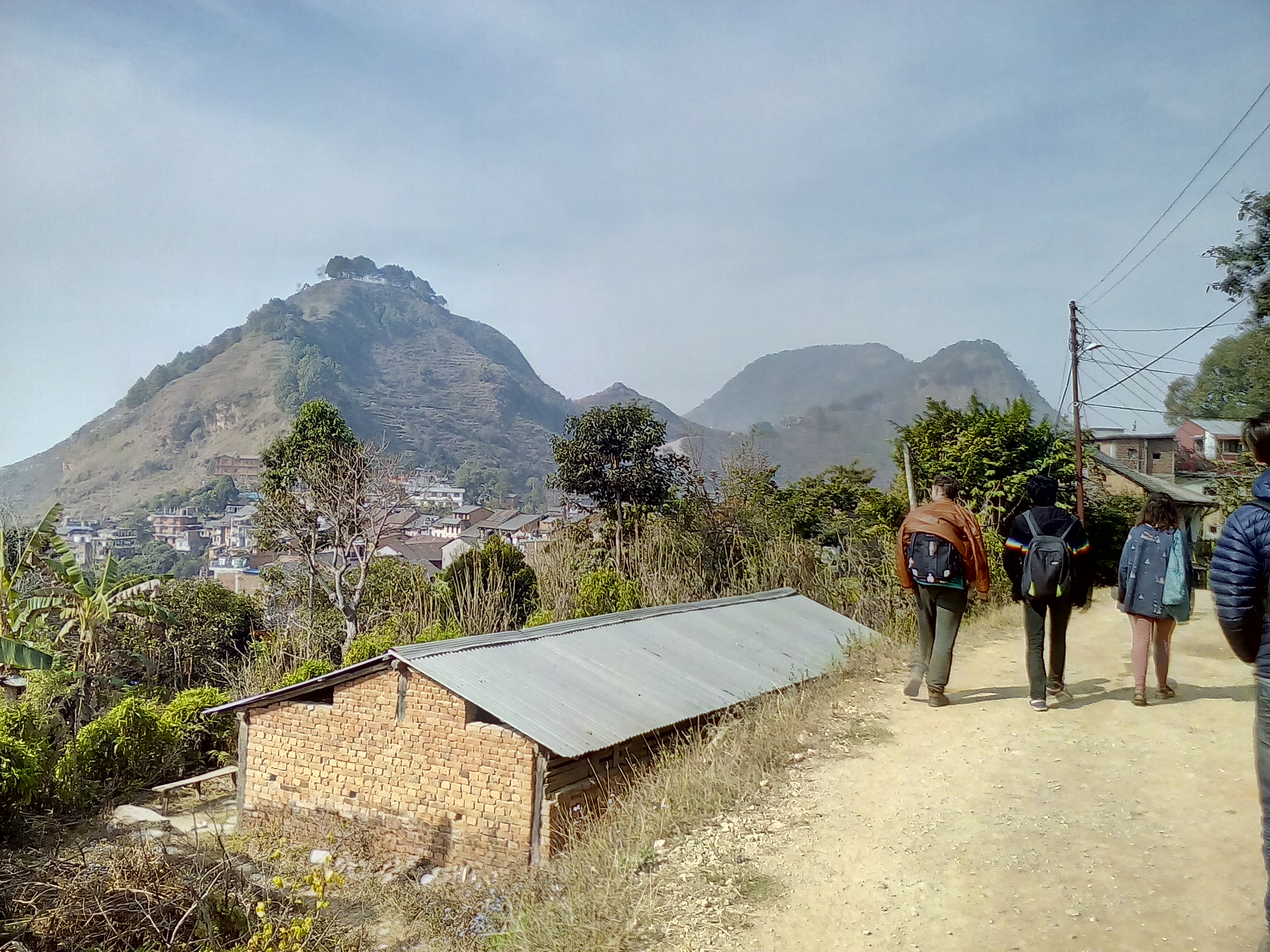
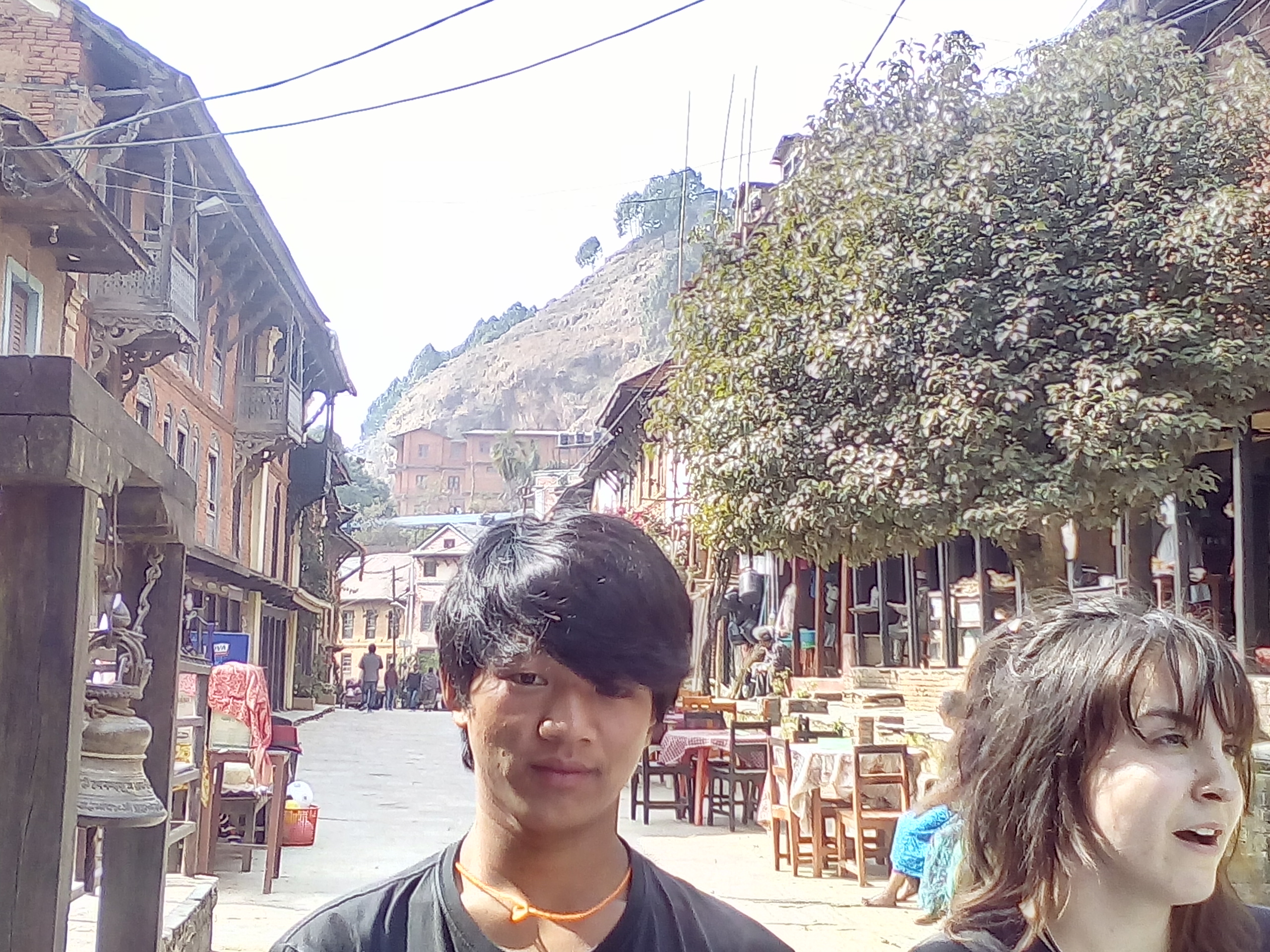
The next weekend, five of us accompanied Sunjan and Kiran, two people who work for Maya in Kathmandu, to the tiny town of Bandipur up in the hills, and went for another sunrise hike, although a significantly shorter one. Many among us were still recovering from the night before, when we had at first sat outside on the steps of a small shop, drinking raksi and listening to music on a hand-sized bluetooth speaker. At one point, some Nepalis next door wheeled out a three-foot tall bluetooth speaker and built a bonfire in the cobblestone streets, and we danced around the fire with them. Michal performed the traditional Slavaki party trick of jumping over the fire a few times. The Nepalis played a lot of Nepali music, a lot of Bollywood music, and then somewhere in the middle also Uptown Funk. Apparently Hayo thought that the lyrics were “Up, down, funk you up.” And also the title. The next day we went spelunking as well, and got some decent views of the Himalayas, and Jano ate some bad momos.
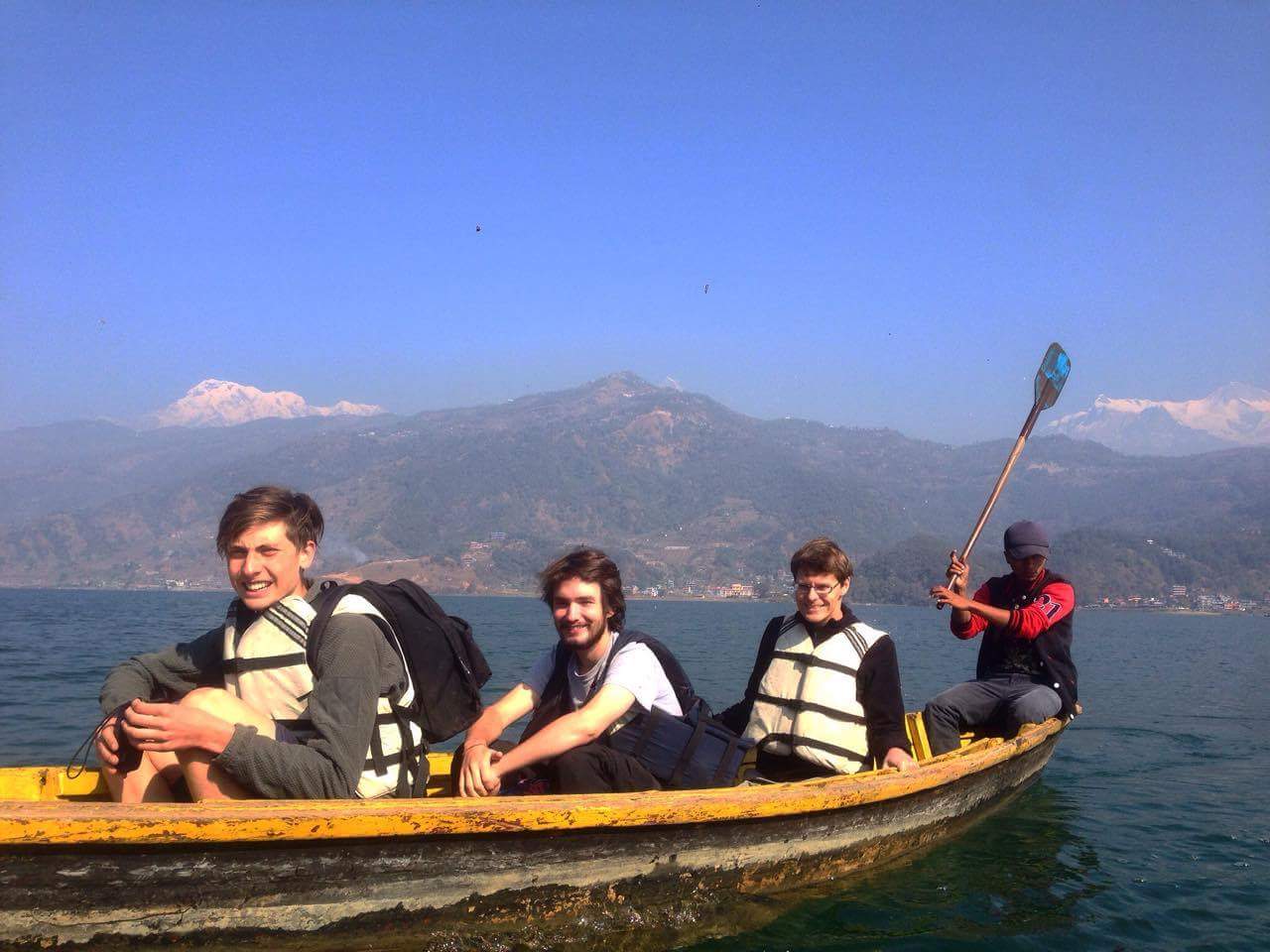
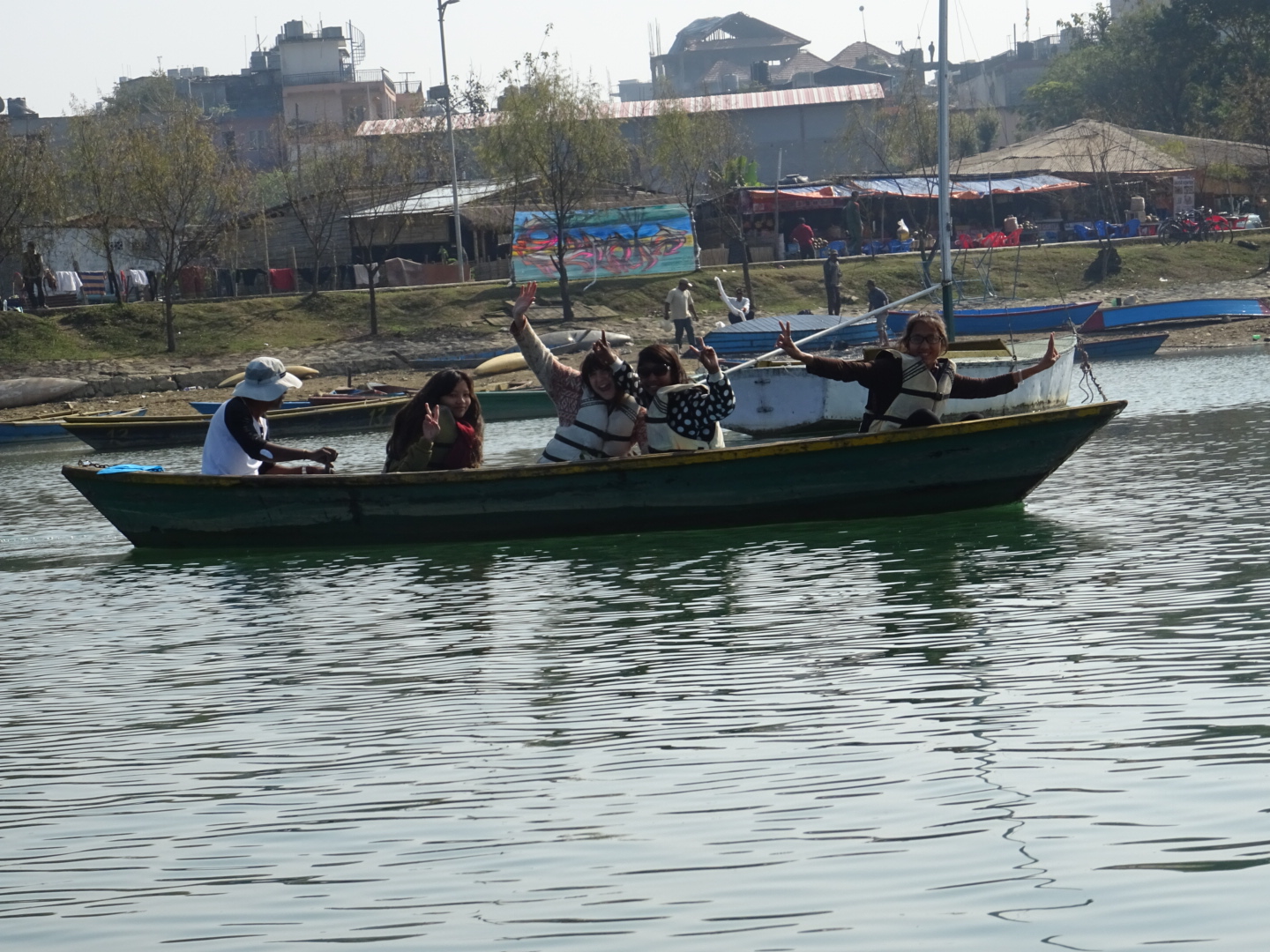
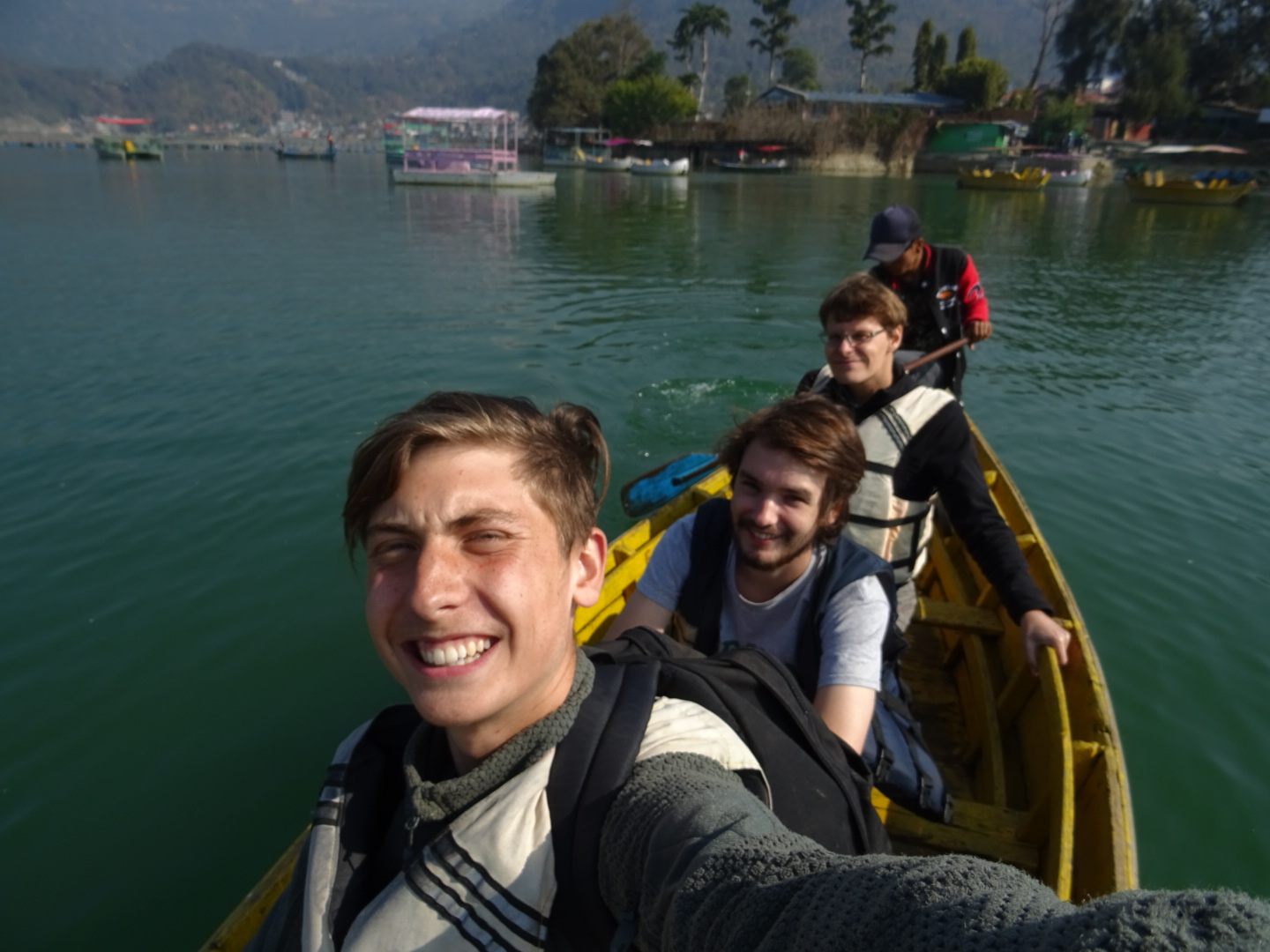
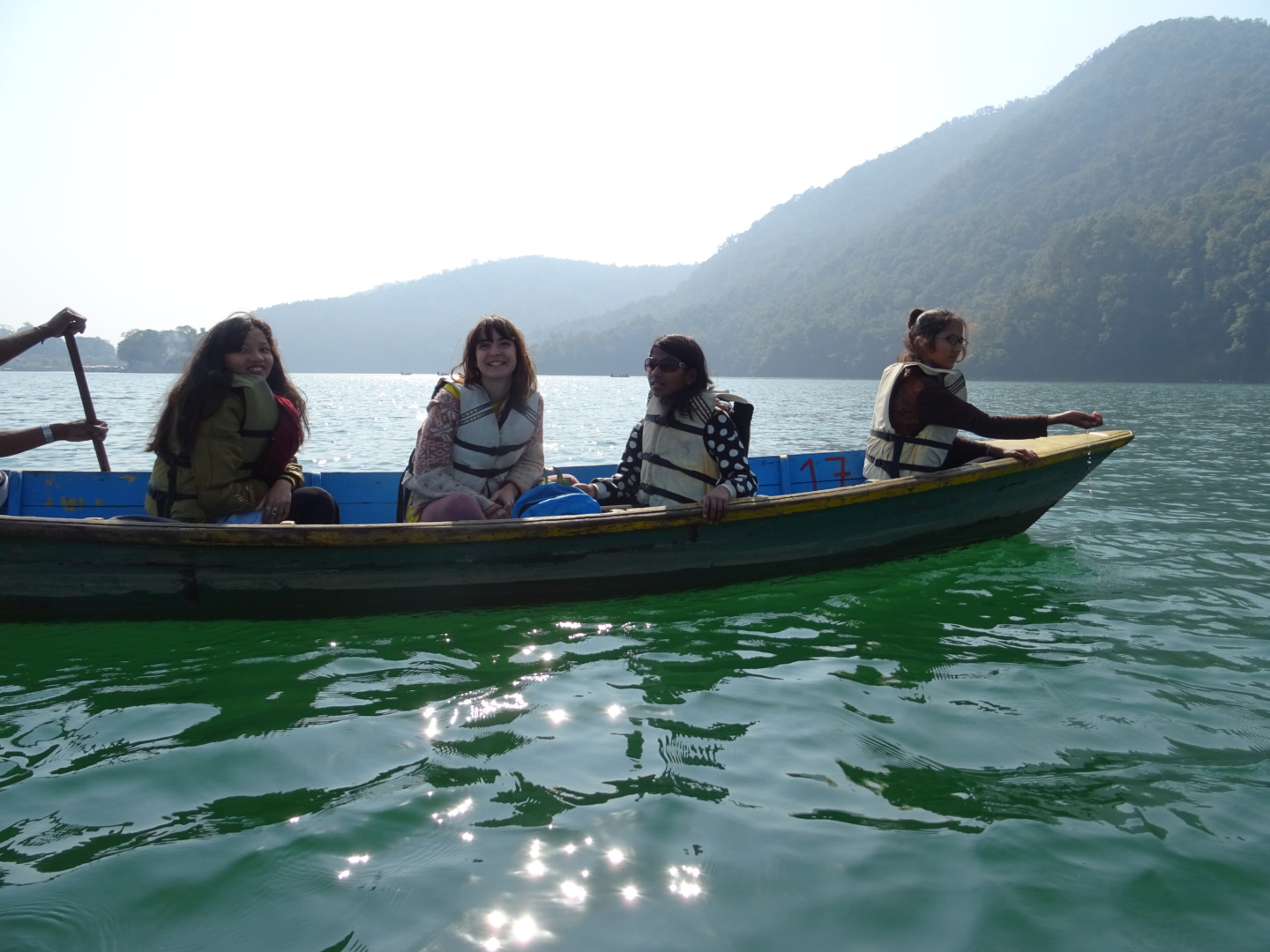
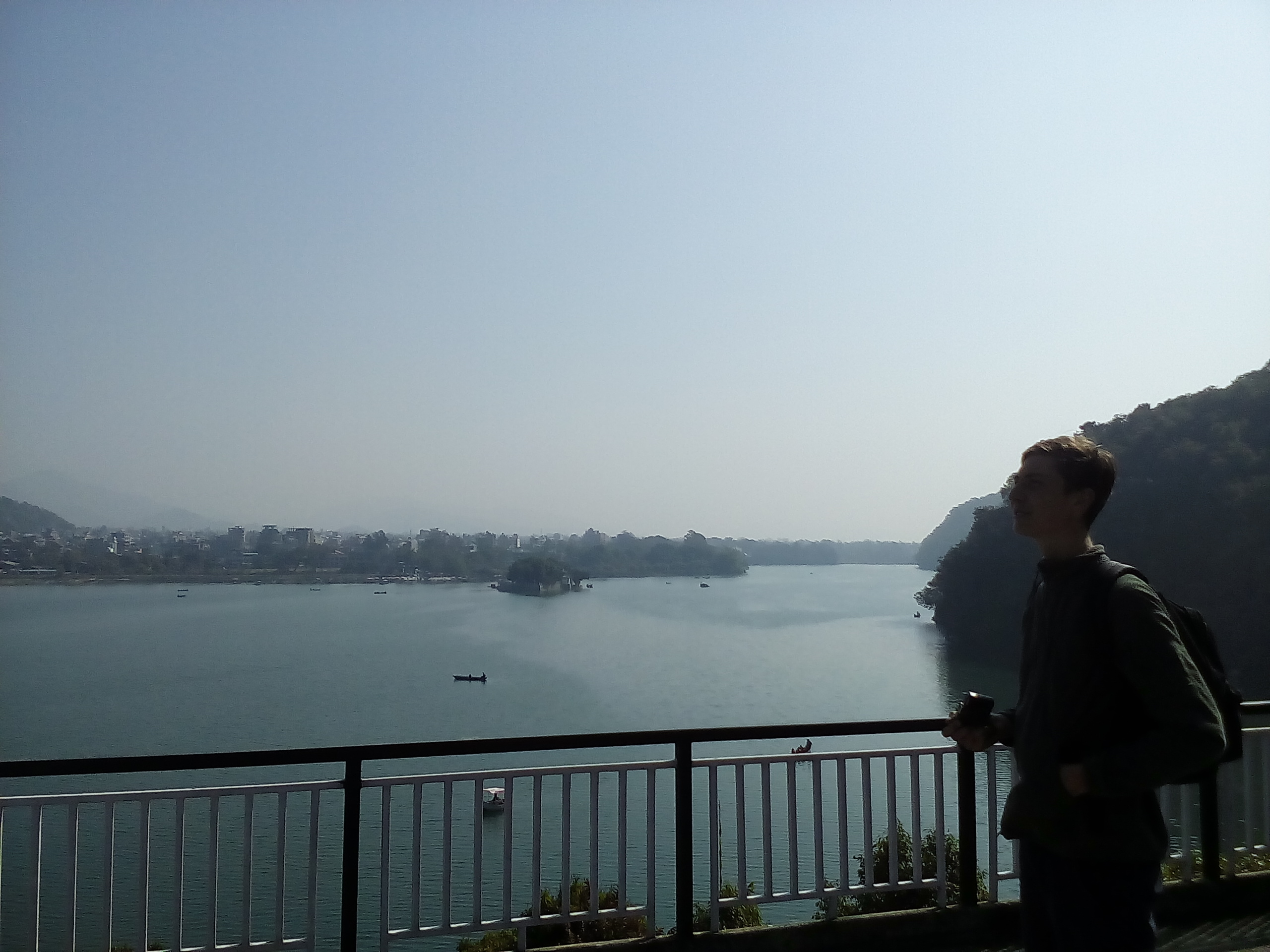
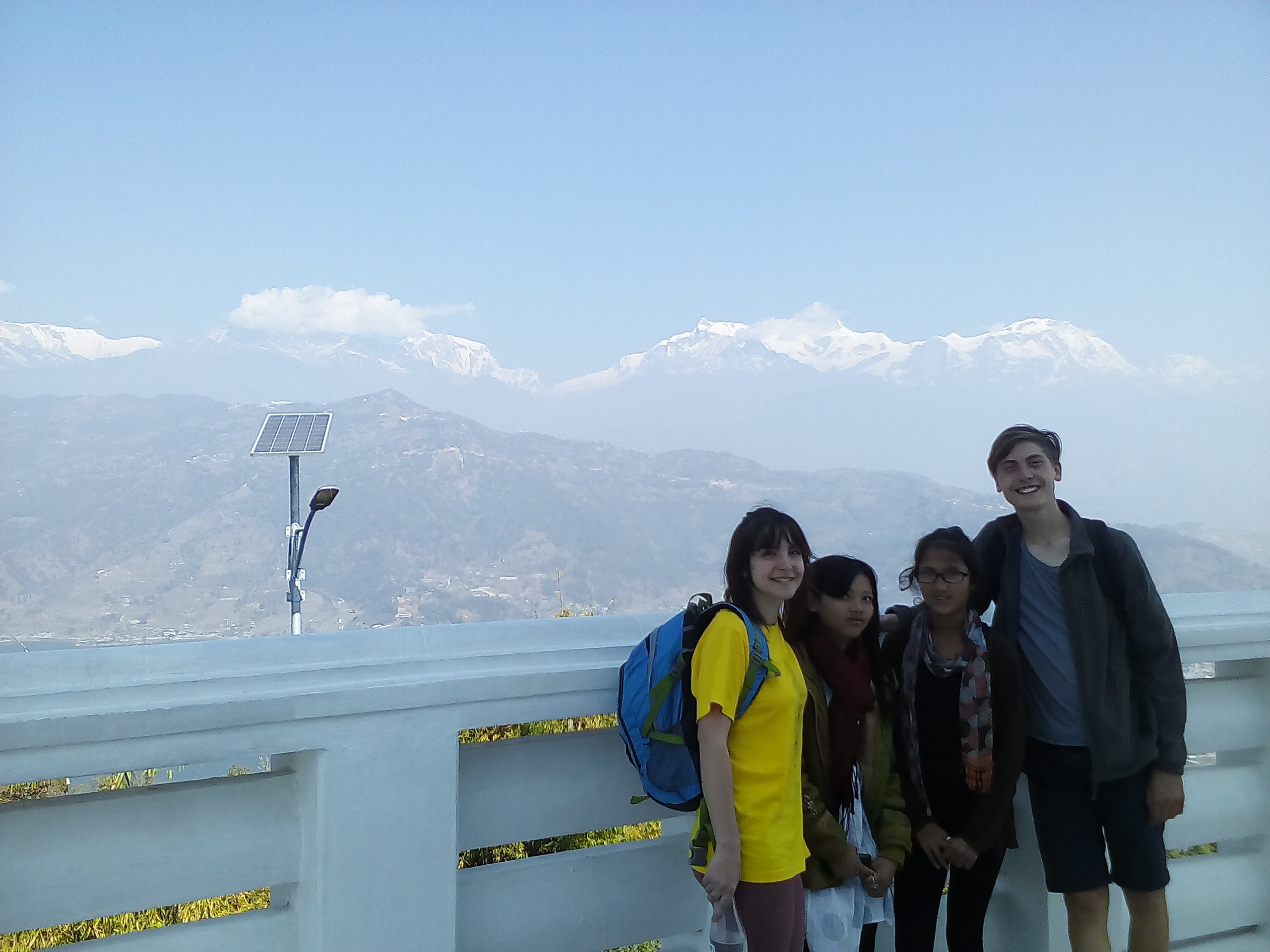
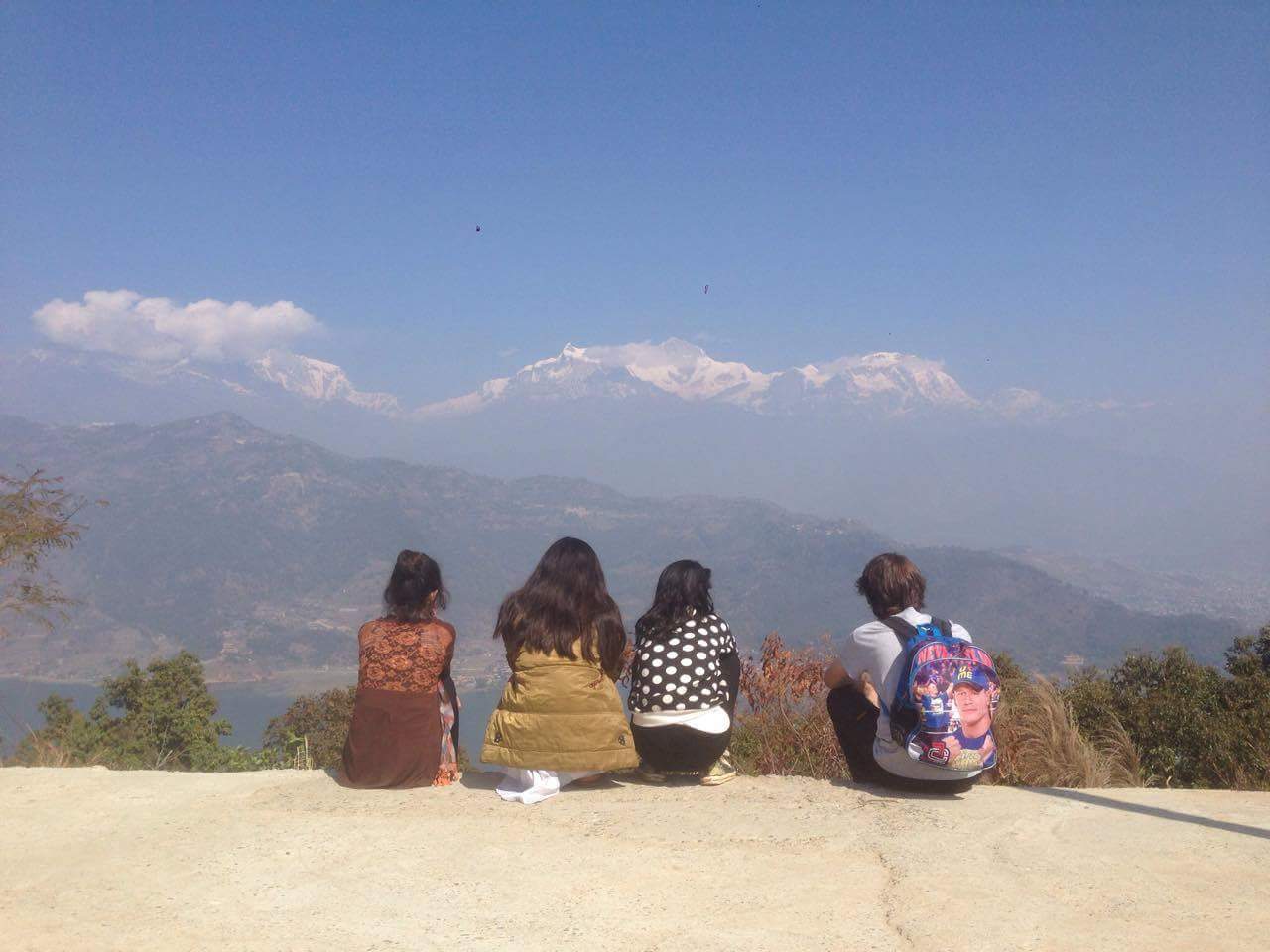
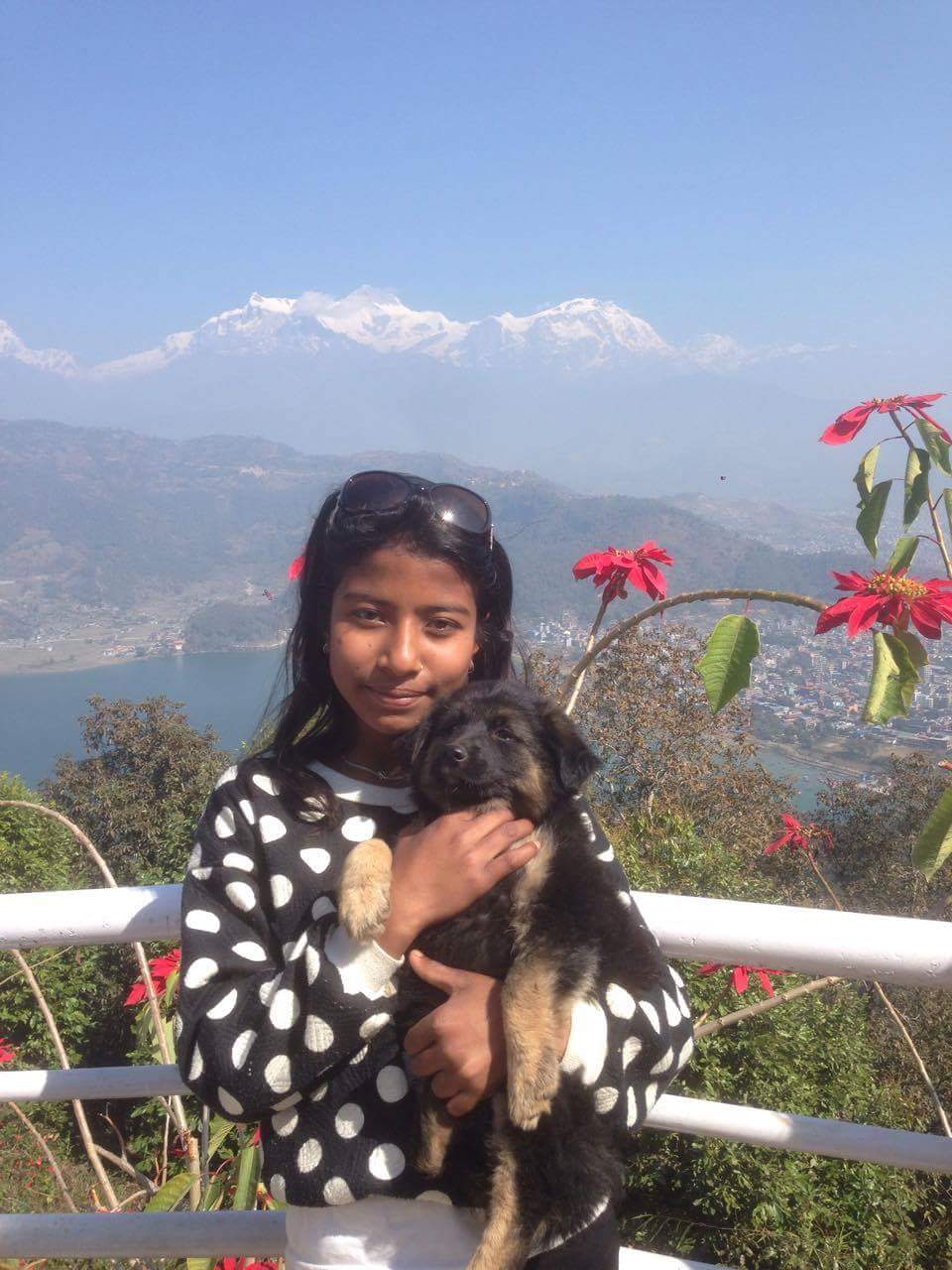
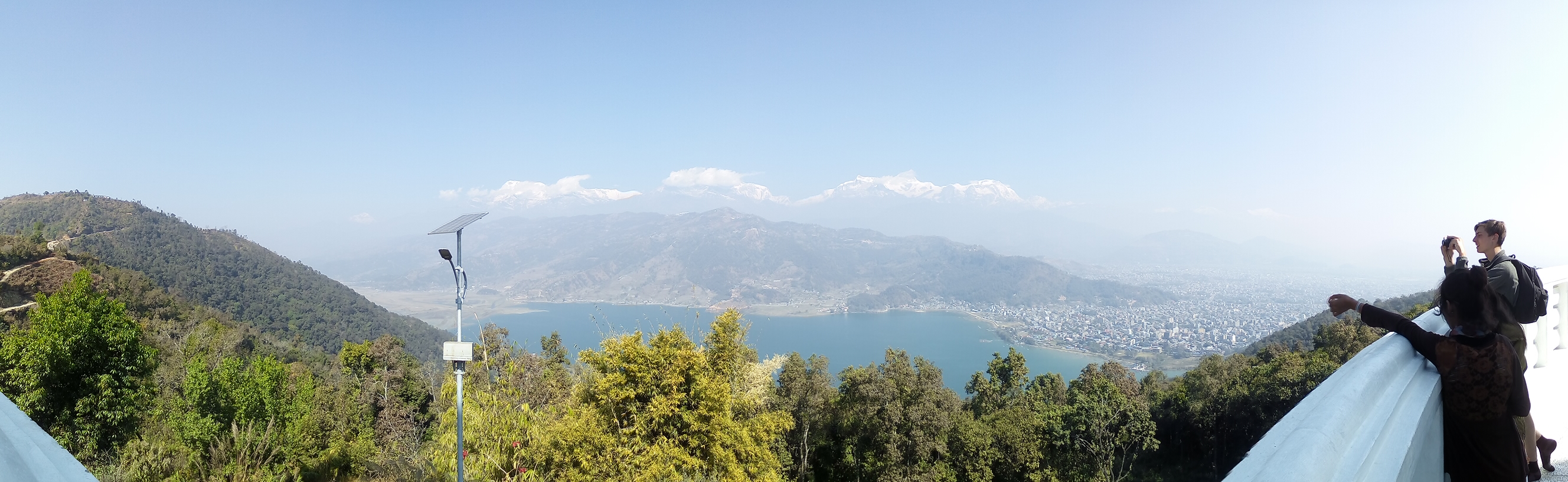
The third weekend, five of us went to Pokhara, taking with us three 12 year-old girls that Matisse was teaching and had invited along. We ate well and finally made it to the World Peace Stupa on the hill across the lake. Asmita complained constantly of the 40 minute walk from the bus statiion to the hotel. “I think my legs are going to fall off. How much further?” But the next day, Rabina, Shristi and her ran ahead up the hill, shouting to each other and on a cellphone they passed back and forth – three boyfriends, I believe, doing a similar thing on the other end – while the rest of us five lagged behind. I almost tied them on the way down though.
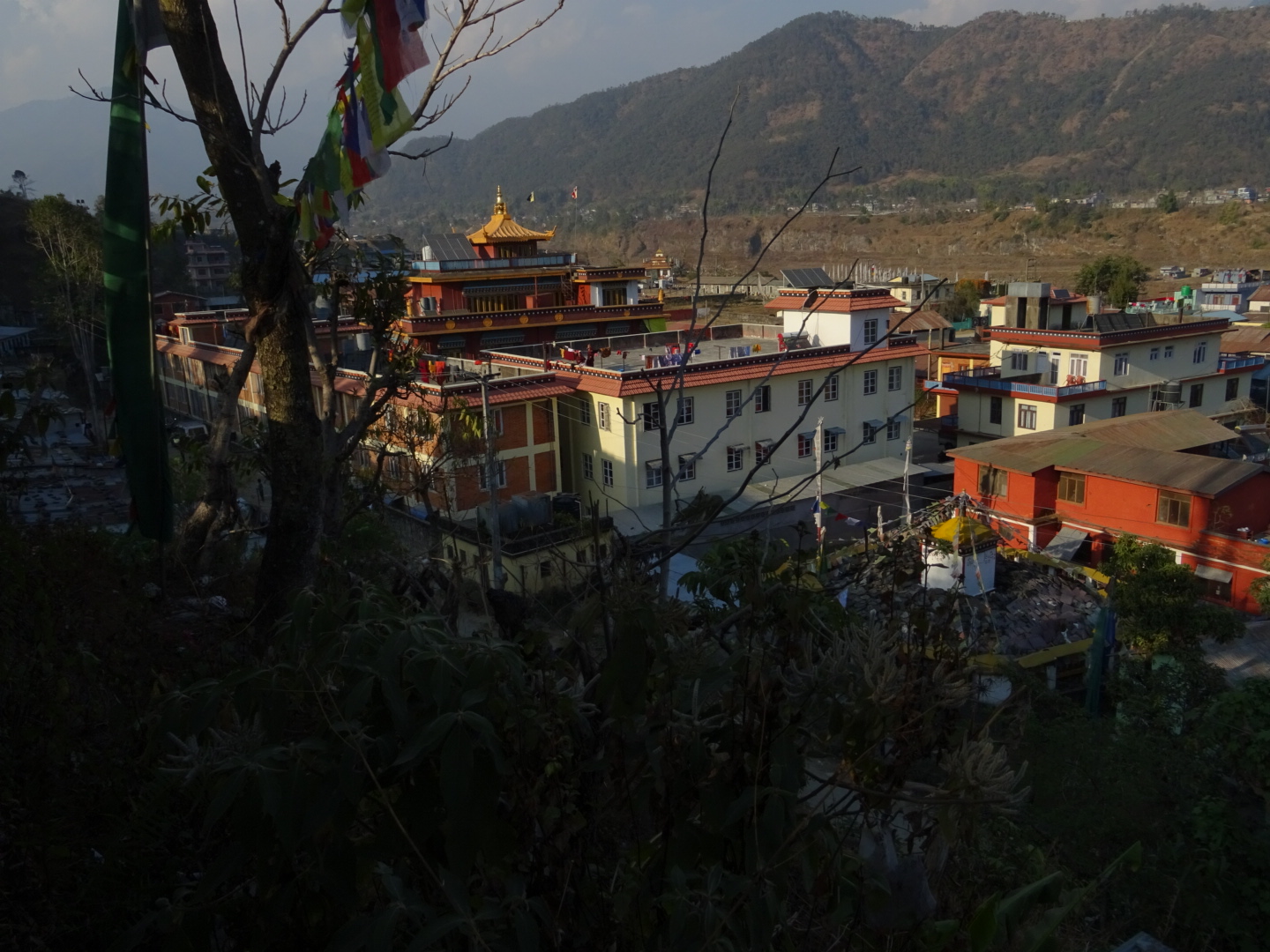
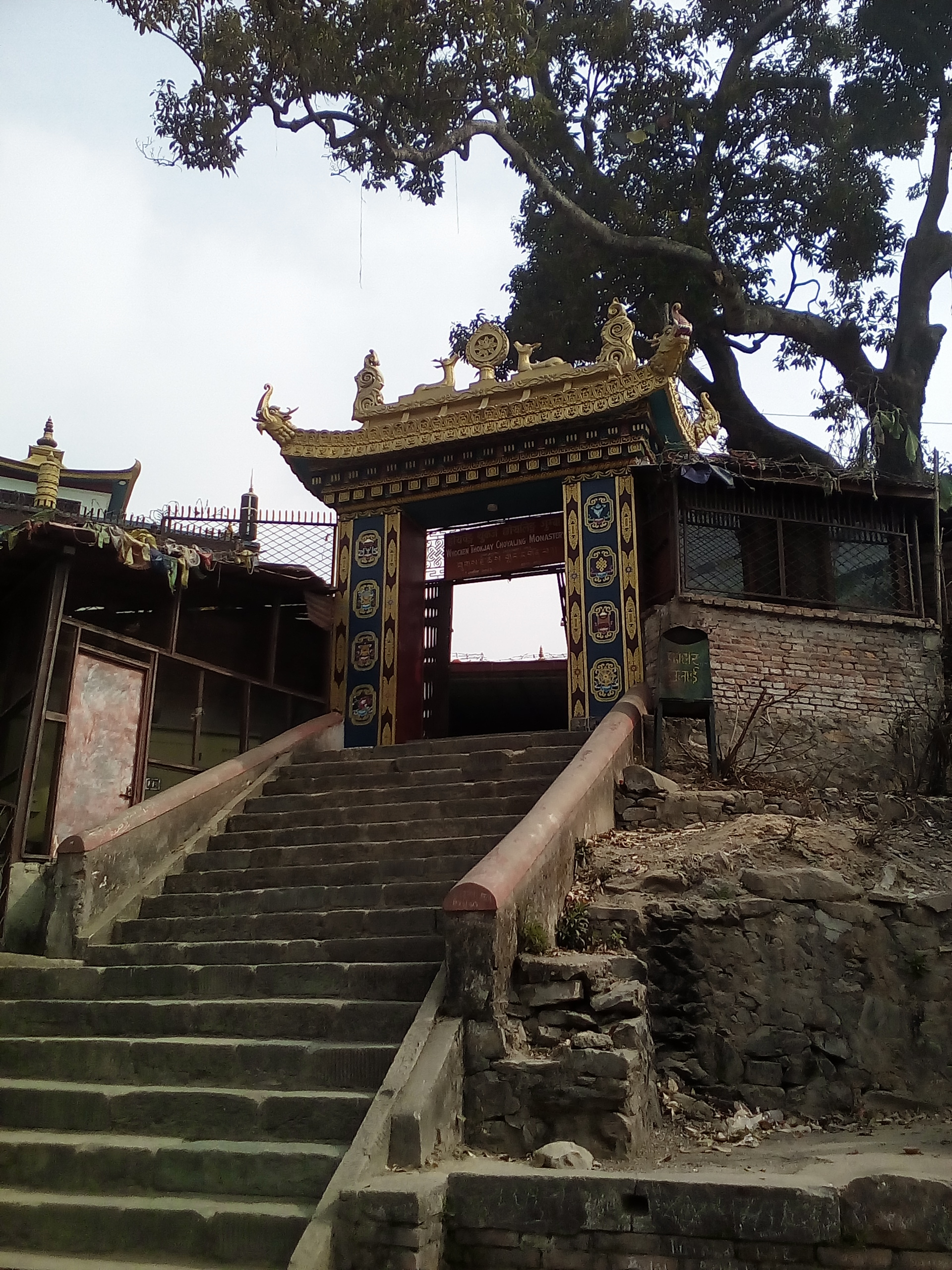
Later we stopped by the nearby Tibetan Refugee camp. I was skeptical and a little appalled by the idea of a refugee camp as tourist destination, but went along and: these days, it amounts to a small town at the outskirts of Pokhara, in a similar condition to the rest of the country, targeting a food deal of its industry on tourists like us, but still maintaining (it seems) a good deal of Tibetan culture, a pocket amongst the predominately Hindu Nepal. We eventually made our way, with permission, into the main temple, where we joined some other onlookers sitting against the far wall of a large room, painted beautiful with dragons and people and heavens and Buddhas, while in the center of the room sat a teacher and a large group of boy disciples, all with their hair shaved and wearing robes. The teacher would read a passage from the text (it was in Tibetan, so I have no idea what was being said), and then the students would all start to read, quite quickly and not in unison, a clamor building up until it was cracked by the beating of two large drums that I had not noticed until then, and a kind of music would start up, based around the pounding of the thunderous drums and a melody and rhythm that I had no experience with, no common referent but that was beautiful and moving nonetheless. The process repeated several times, while we sat in silence. A monk came around and gave us all juice boxes: litchi juice, delicious and rather unexpected.
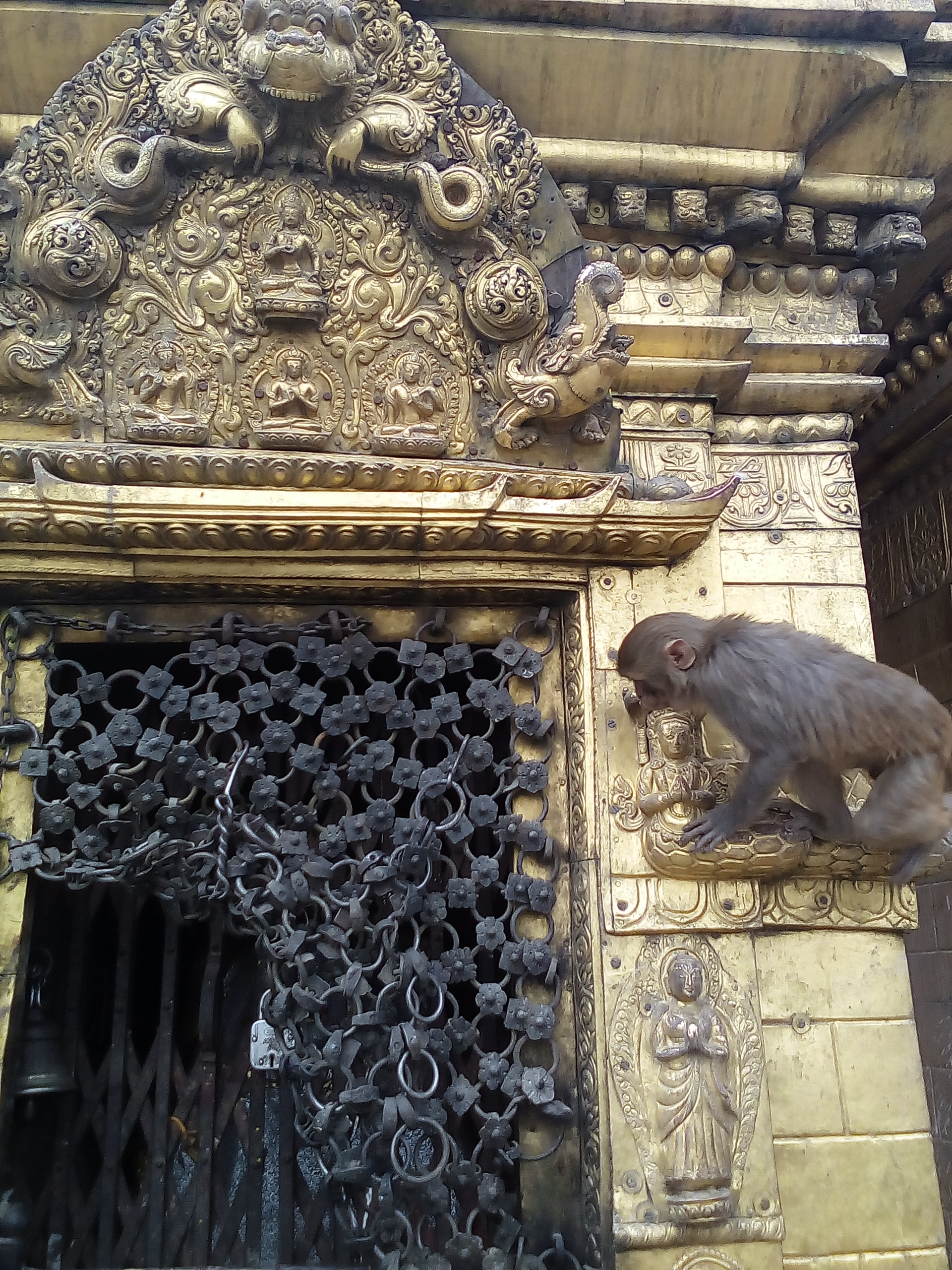
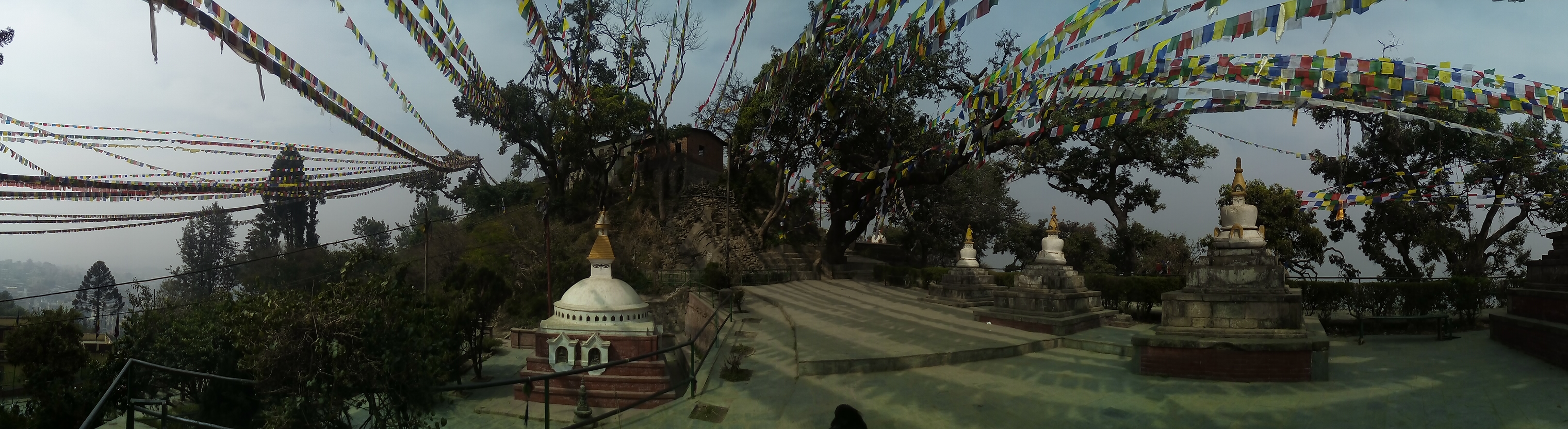
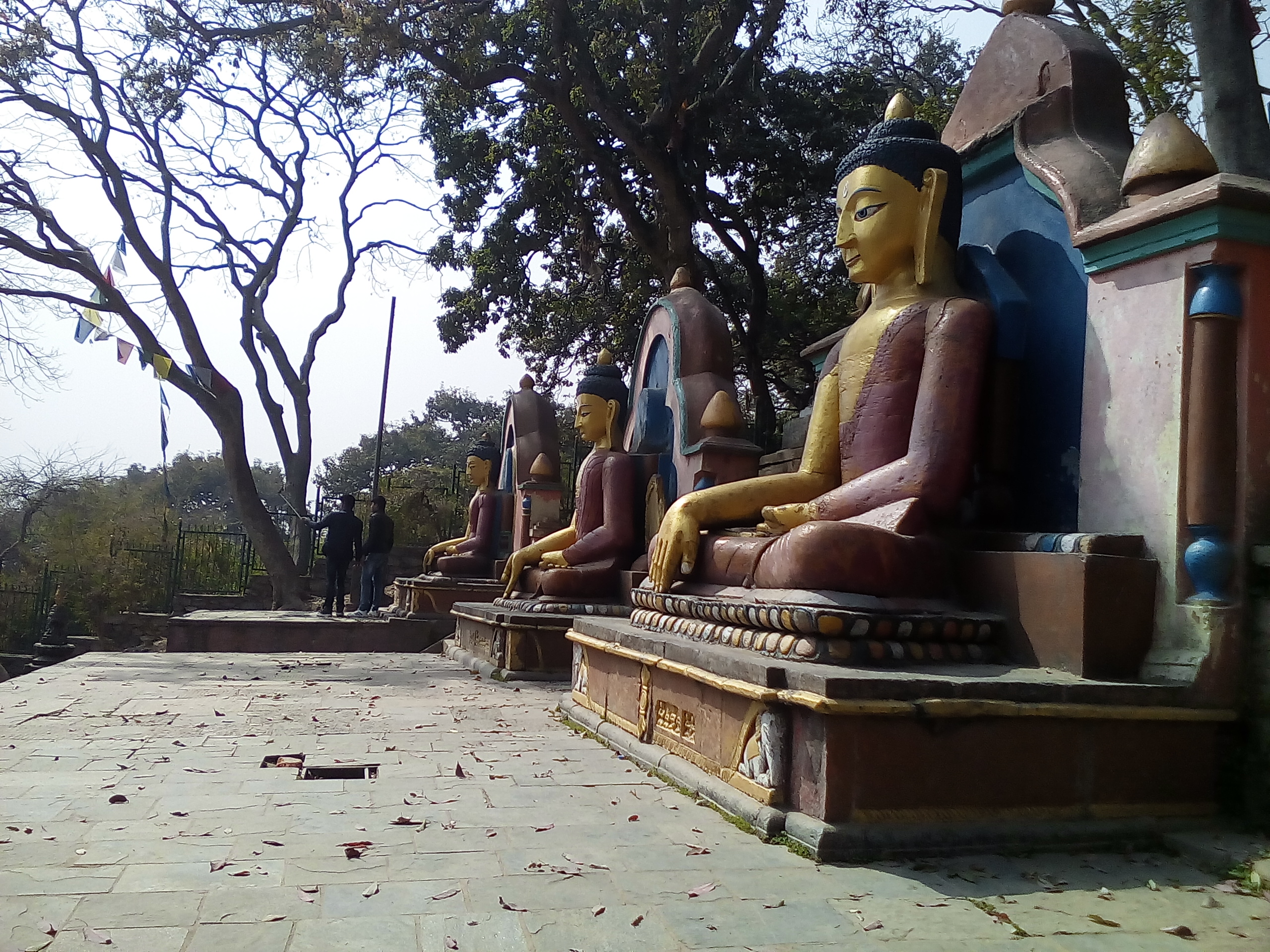
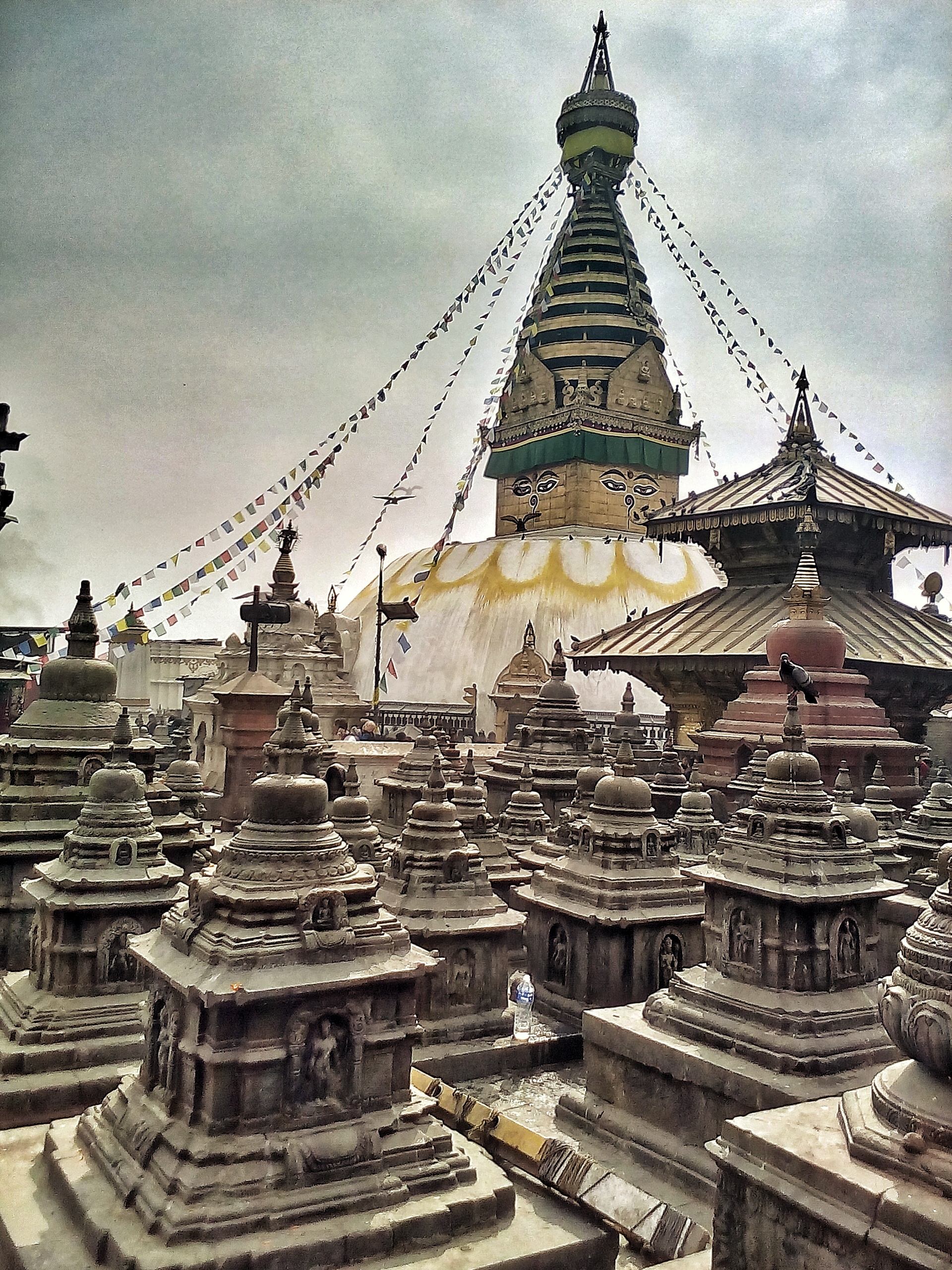
Back in Kathmandu, I sat in monkey's pee at Swayambhu, or The Monkey Temple, a holy site to both Buddhists and Hindus (these days the site of several Buddhist stupa and a monestary). It is an excellent location atop a hill, overlooking the city with giant, creeping trees strung with colorful prayer flags lining the many many steps on the way up. It was only after staring off into the distance, passed the stupa and these trees and flags, thinking my own thoughts for several minutes that I noticed a wet feeling in the bottom of my shirt in the back.
My last meal (discounting a hurried breakfast before my flight at 5:50 am) was gnocchi parisienne. But I'll miss the dal bhaat, the mo mos, the tea, the donuts and the donut-like roti, and the people, and the mountains and the lakes and the water.